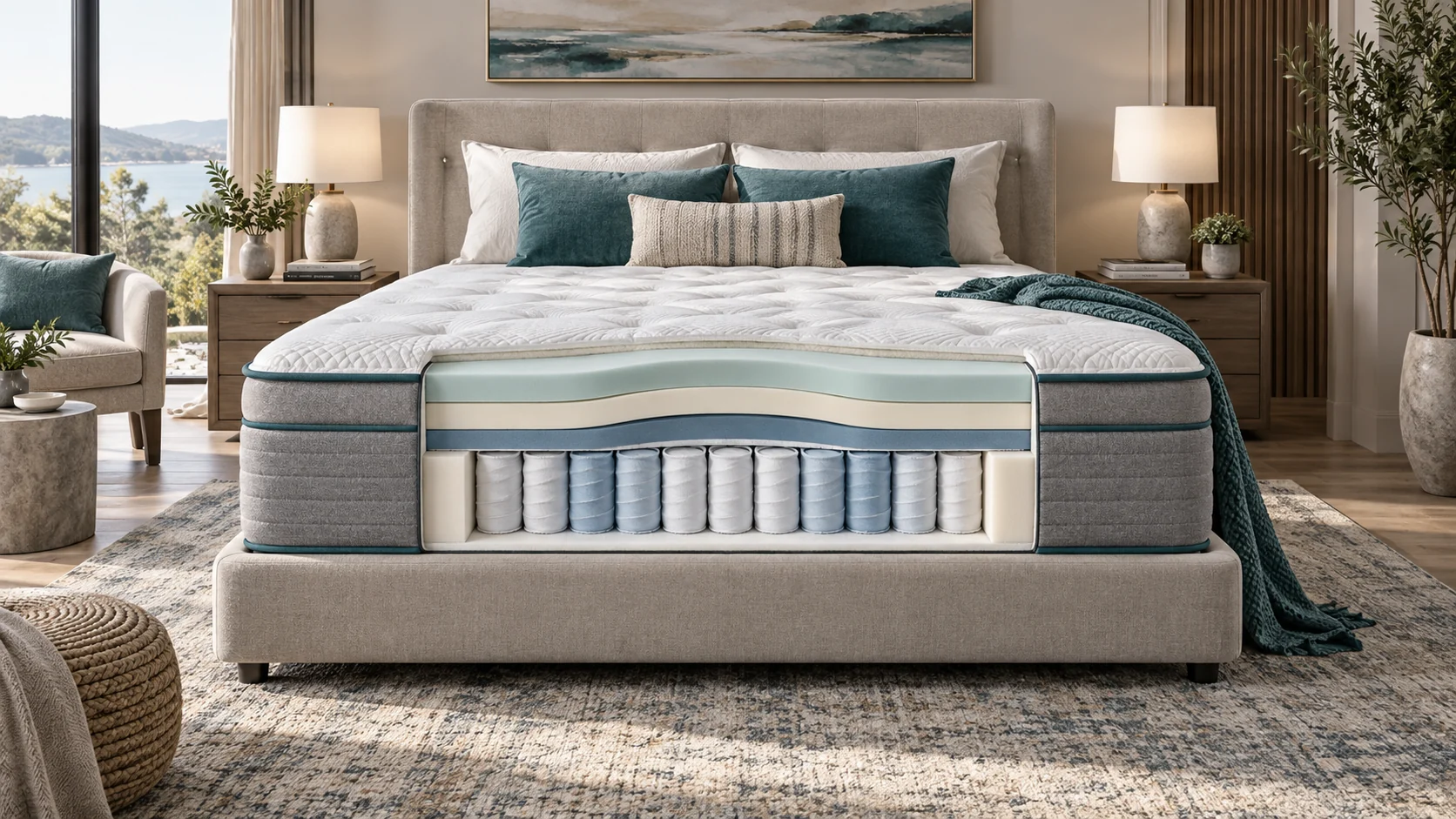
Best Mattresses for Back Sleepers
Back sleeping is the second most popular position and is generally considered the healthiest for spinal alignment — but only with the right mattress. Back sleepers need a mattress that fills the lumbar curve without letting the lower back sag (too soft) or pushing the back off the mattress (too firm). Getting this balance right is the difference between waking refreshed and waking with lower back stiffness.
Sleep Science
In back sleeping, the primary load points are the heels, calves, buttocks, lumbar area, shoulder blades, and head. The lumbar region is the critical zone — the natural inward curve of the lower back creates a gap between the spine and the mattress if the surface is too firm, leaving the lumbar unsupported. A mattress that's too soft allows the hips to sink below the shoulders, creating a convex spinal curve that strains the lumbar discs. The ideal back-sleeping mattress provides gentle lumbar fill (softer material that rises to meet the lumbar curve) while maintaining firm support under the hips to keep the pelvis from dropping. Medium-firm to firm (5.5–7.5/10) generally achieves this balance for average-weight back sleepers.
What to Look For
Lumbar Support
The mattress must support the lumbar curve without allowing the hips to sink excessively. Zoned support systems that are firmer in the center third (hip zone) and softer toward shoulders are ideal.
Firmness Range
Medium-firm to firm (5.5–7.5/10) for most back sleepers. Lighter individuals may be comfortable on medium (5/10); heavier individuals often need firmer options to prevent hip sinkage.
Spinal Alignment
When lying on your back, ears, shoulders, and hips should be in horizontal alignment. A mattress with high spinal alignment scores maintains this neutral position throughout the night.
Pressure Points
Heels and tailbone are common pressure areas for back sleepers. Look for mattresses with meaningful comfort layers (2+ inches) even at the firmer end of the range.
Features to Prioritize
- ✓Spinal alignment rating of 7+ out of 10
- ✓Medium-firm to firm construction (5.5–7.5/10)
- ✓Zoned support with firmer hip zone
- ✓Hybrid or innerspring for responsive lumbar support
- ✓Good pressure relief at heels and tailbone
Features to Avoid
- ✗Very soft mattresses (under 4/10 firmness) — hips sink too deep
- ✗All-foam options without responsive support underneath
- ✗Ultra-plush pillow tops without firm support core
Our Top Picks for Back Sleepers
Ranked by a weighted score based on the factors that matter most for back sleepers.
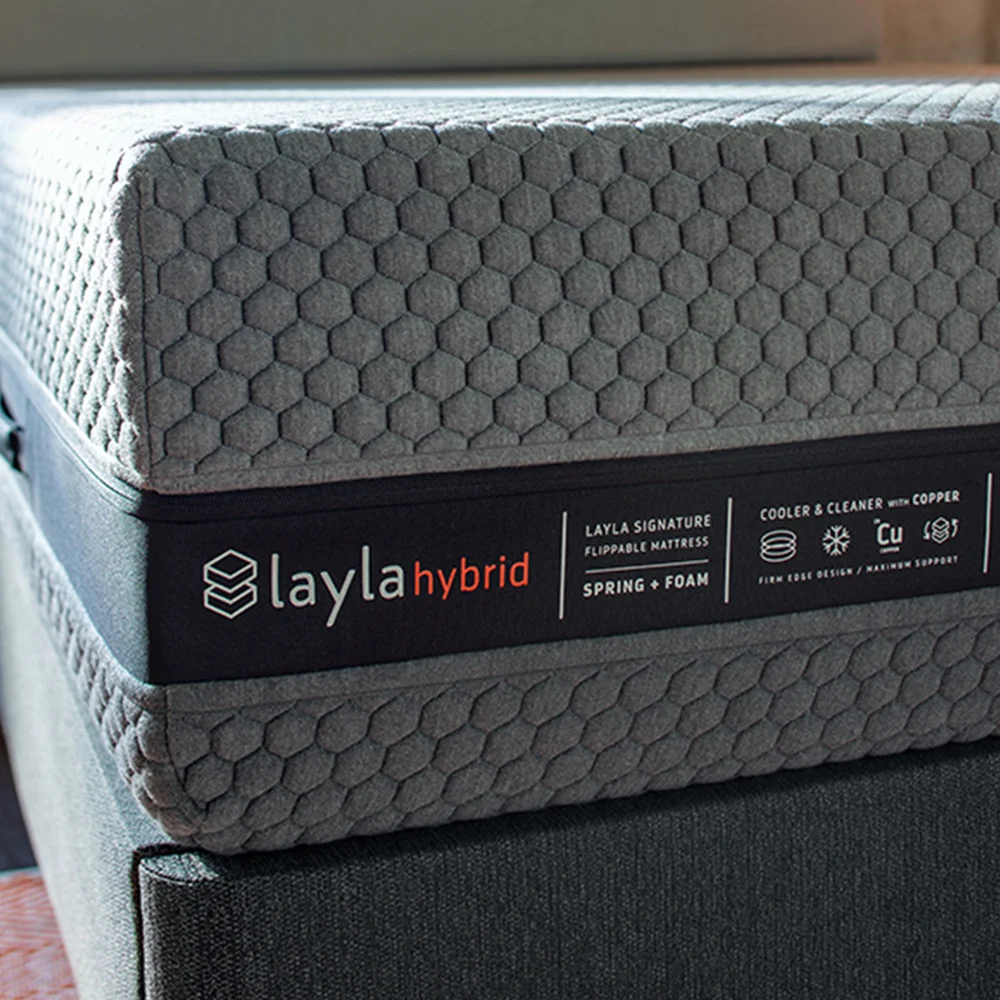
Best for: Couples choosing between two firmnesses · Side and combination sleepers wanting a softer surface with a firmer fallback
Why it stands out: Both sleep surfaces use 3.5-pound copper-gel Memory Foam, with softer 23-ILD airflow foam on one side and firmer 40-ILD airflow foam on the other
Keep in mind: Both sides still use Memory Foam, so flipping changes firmness rather than creating a buoyant latex or traditional pillow-top feel
Buy with confidence
30-night at-home comfort trial at Layla
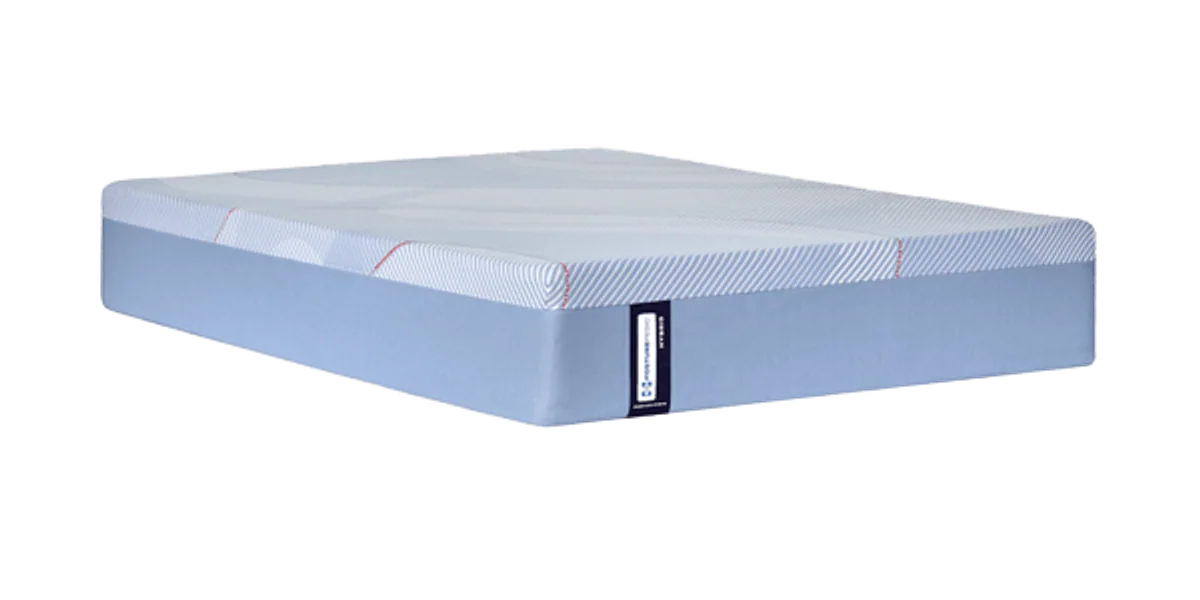
Best for: Back sleepers · Combination sleepers
Why it stands out: Hybrid construction combines foam cushioning with coil support
Keep in mind: Only one firmness option: Medium
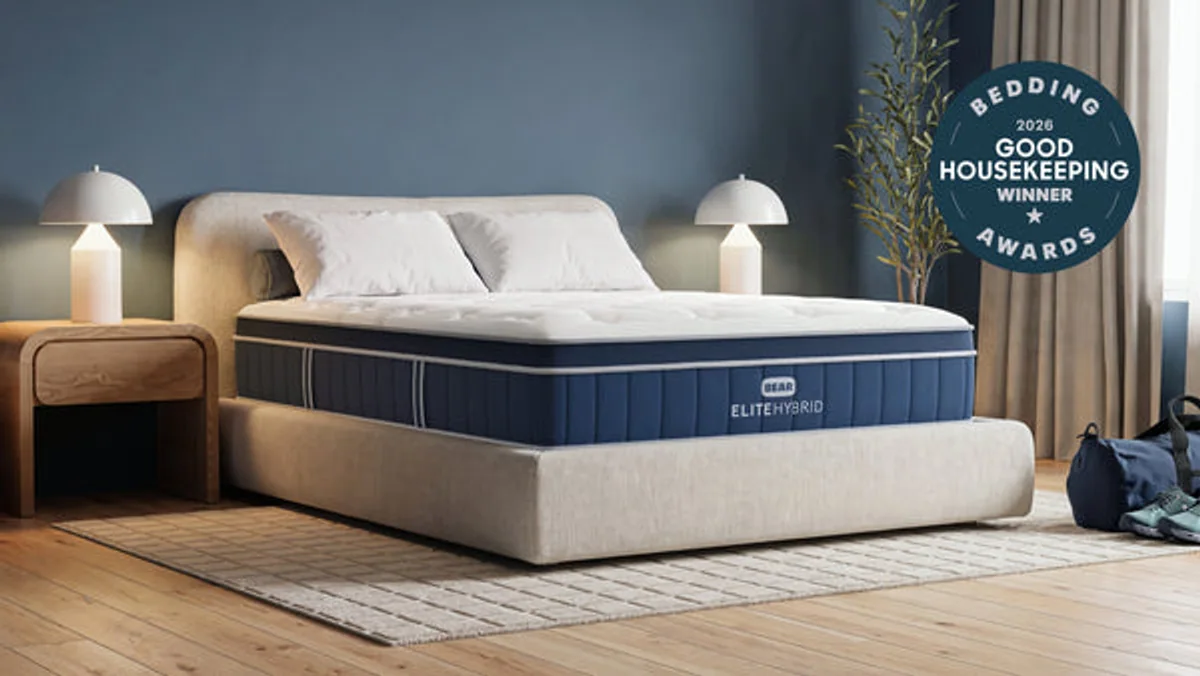
Best for: Side sleepers · Back sleepers
Why it stands out: Strong edge support from reinforced coils
Keep in mind: More responsive than a deep all-foam contour
Buy with confidence
120-night direct-purchase comfort trial at Bear
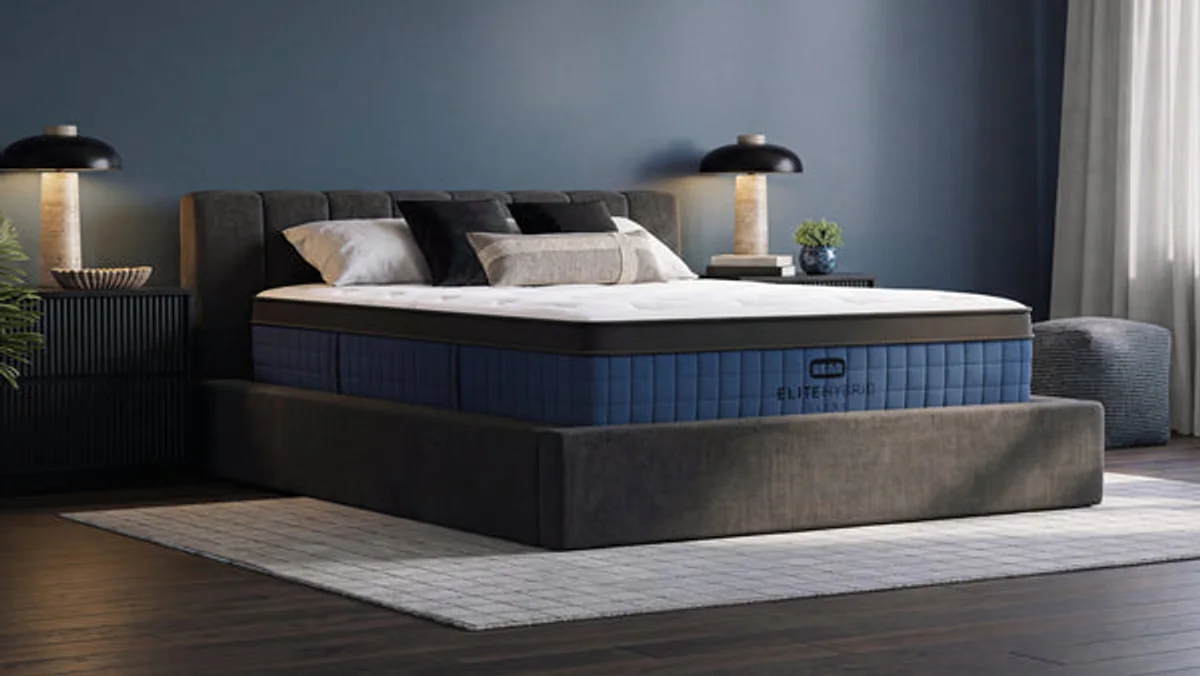
Best for: Side sleepers · Back sleepers
Why it stands out: Most responsive and cooling-focused Bear model
Keep in mind: Responsive microcoil feel is less slow-contouring than all-foam
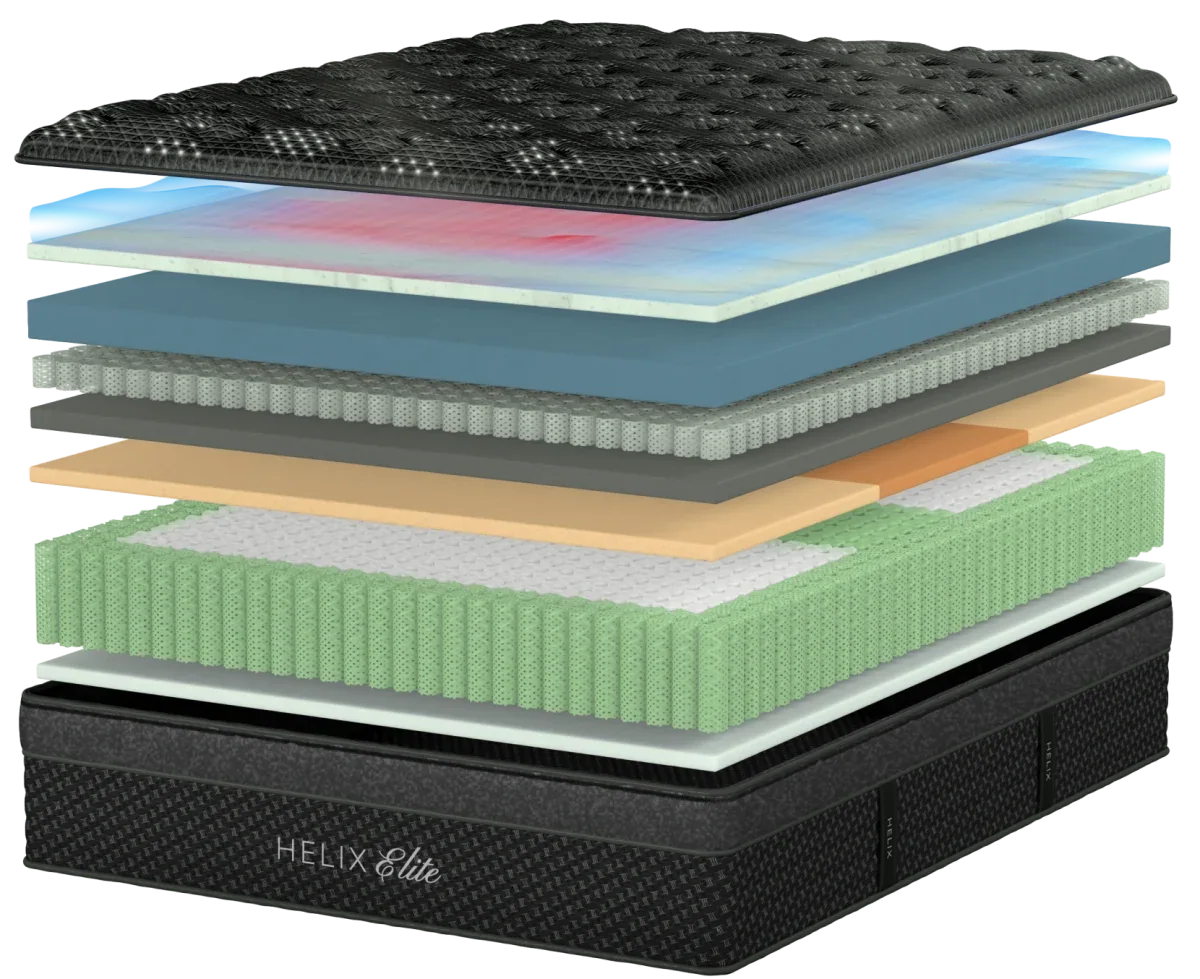
Best for: Side sleepers · Medium feel shoppers
Why it stands out: GlacioTex Elite cooling cover included
Keep in mind: Optional CoolForce layer costs extra
Buy with confidence
120-night Happy with Helix comfort trial at Helix
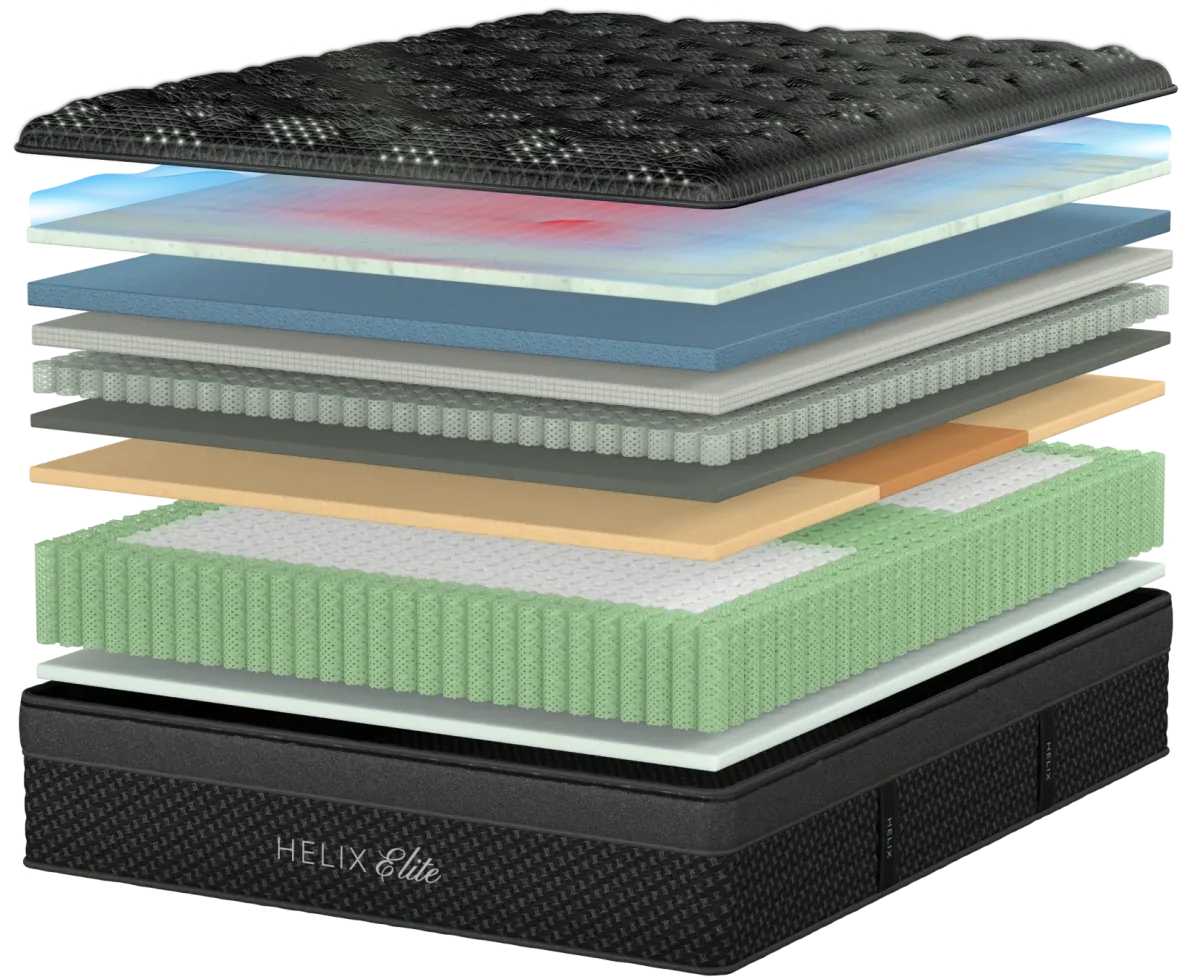
Best for: Back and stomach sleepers · Medium feel shoppers
Why it stands out: GlacioTex Elite cooling cover included
Keep in mind: Optional CoolForce layer costs extra
Buy with confidence
120-night Happy with Helix comfort trial at Helix
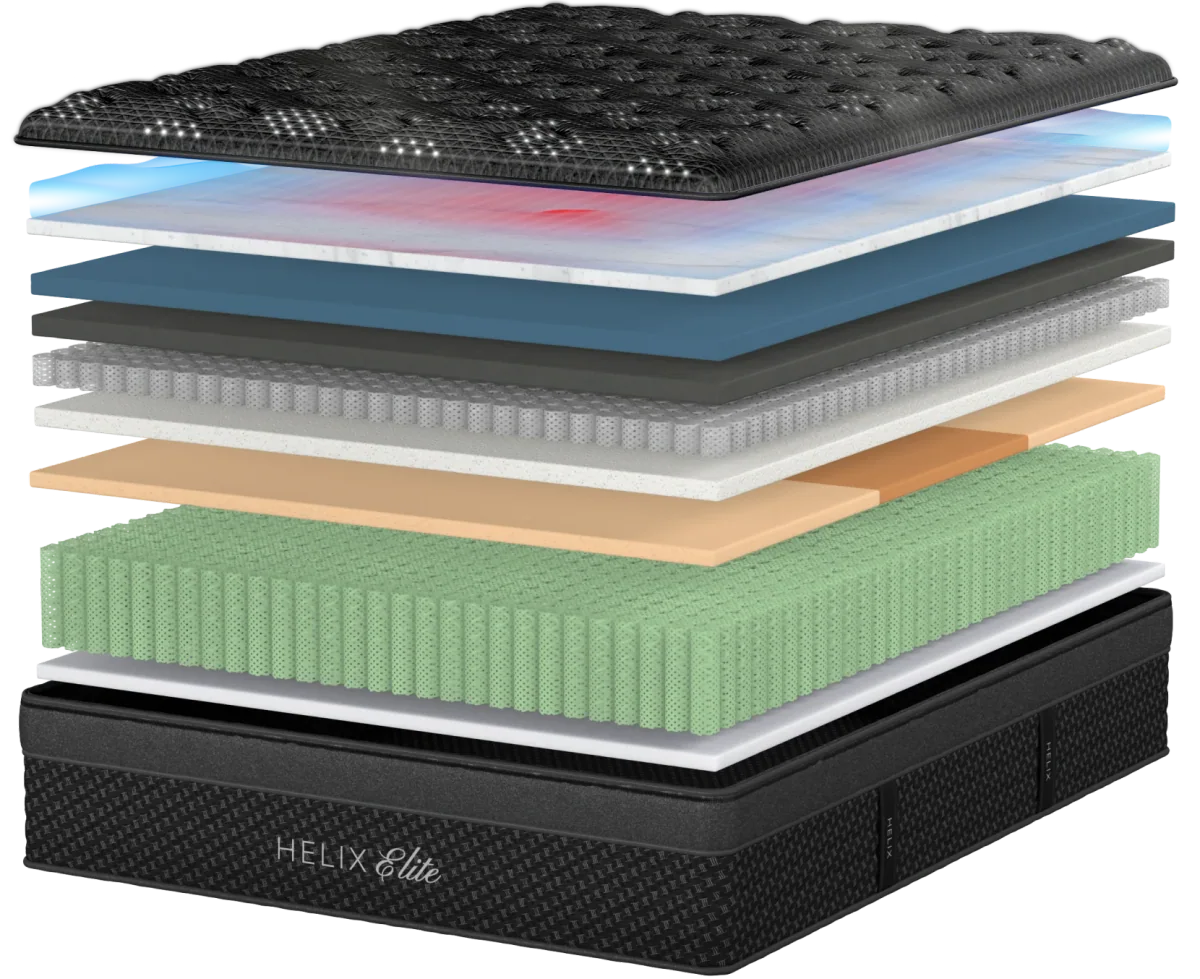
Best for: All sleeping positions · Medium firm feel shoppers
Why it stands out: GlacioTex Elite cooling cover included
Keep in mind: Optional CoolForce layer costs extra
Buy with confidence
120-night Happy with Helix comfort trial at Helix
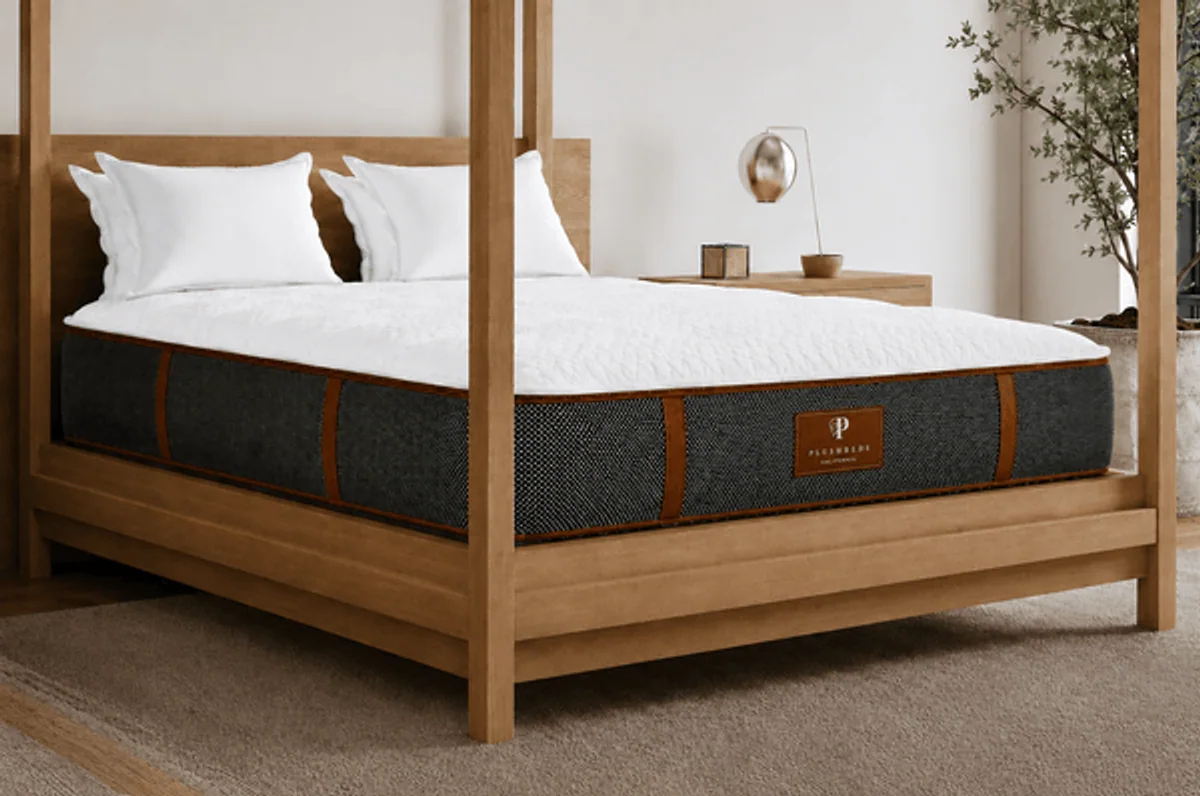
Best for: Combination sleepers · Couples
Why it stands out: The manufacturer-described 7/10 Cushion-Firm feel offers a middle choice between the flatter Firm and deeper Ultra-Plush surfaces
Keep in mind: The balanced 7/10 label may still feel too resistant to someone who already prefers a deeply soft cradle
Buy with confidence
365-night direct-purchase money-back guarantee at PlushBeds
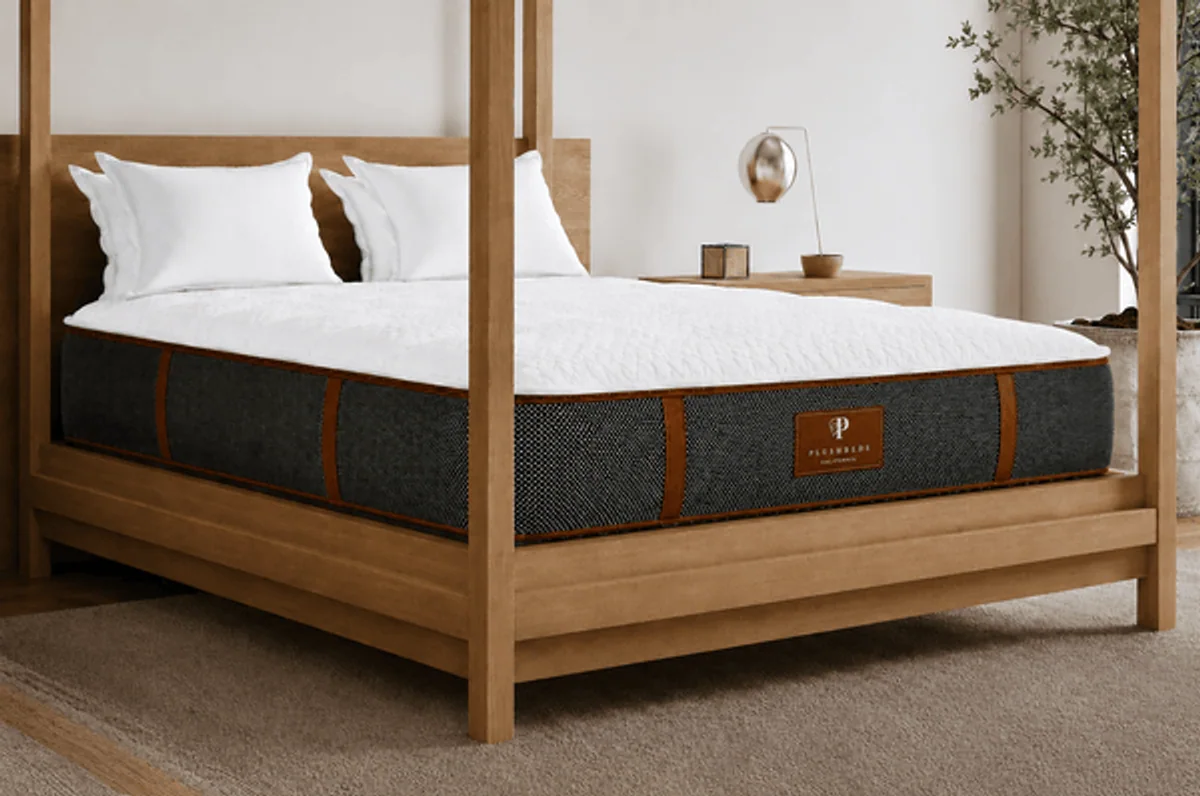
Best for: Side sleepers · Plush mattress shoppers
Why it stands out: The model-specific chart names VelvaForm Lite Memory Foam with ArcticEase and SculptAlign rather than leaving the comfort features unspecified
Keep in mind: The deeply soft surface may allow more sink than someone seeking a flatter, firmer bed wants
Buy with confidence
365-night direct-purchase money-back guarantee at PlushBeds
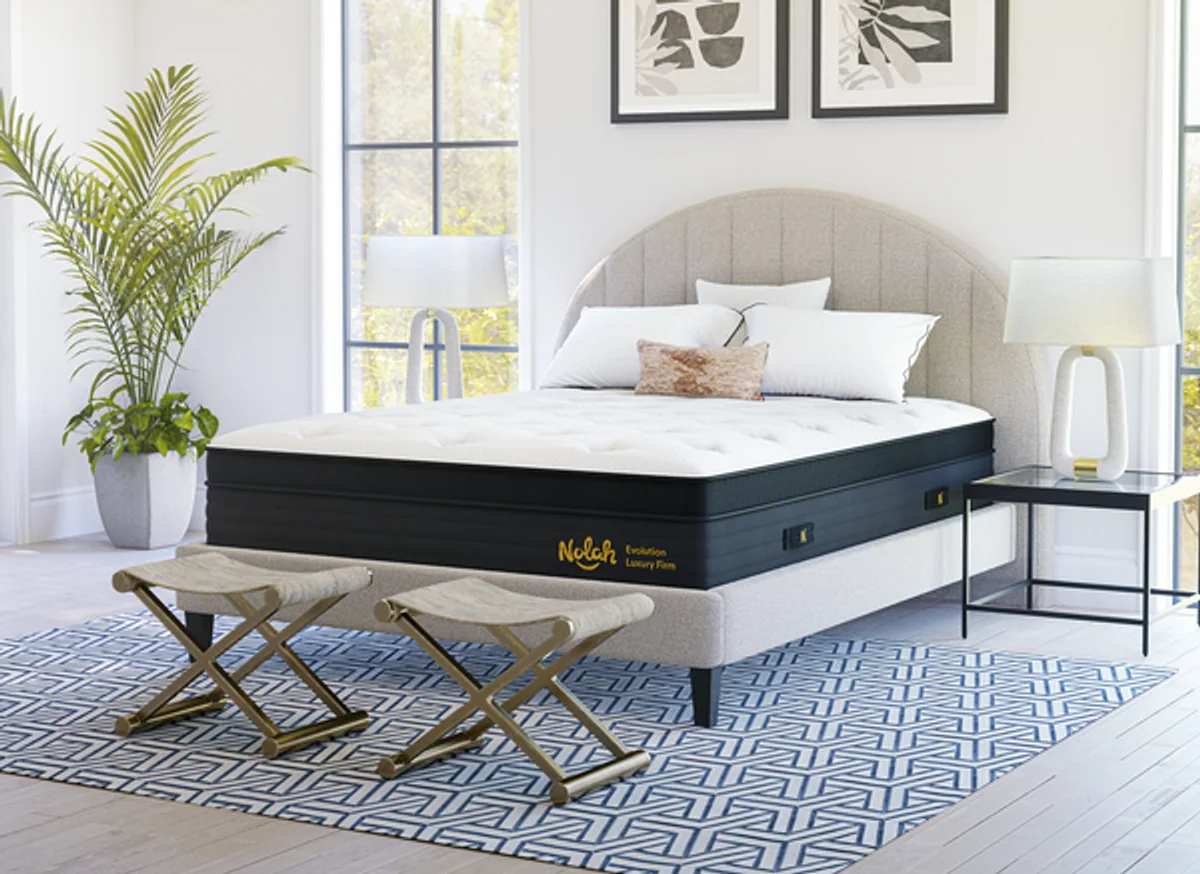
Best for: Hybrid shoppers · Hot sleepers
Why it stands out: AirFoam Luxe comfort system
Buy with confidence
120-night Nolah comfort trial at Nolah
Best Mattresses for Back Sleepers — Frequently Asked Questions
Is back sleeping good for you?
Back sleeping is generally considered the best position for spinal alignment — it distributes weight evenly and keeps the spine in a neutral position. However, it can worsen snoring and sleep apnea, and pregnant women should avoid it in later trimesters.
What firmness is best for back sleepers?
Medium-firm (6/10) is the most commonly recommended firmness for back sleepers. It provides enough resistance to prevent hip sinkage while offering enough give to fill the lumbar curve. Light back sleepers may prefer medium (5/10); heavy back sleepers often need firm (7–8/10).
Is memory foam good for back sleepers?
Memory foam can work well for back sleepers if the firmness is appropriate (medium-firm or firm). However, the slow response of memory foam can make changing positions more effortful. Hybrid mattresses with foam comfort layers are often preferred by back sleepers for their more responsive support.
What pillow height is best for back sleepers?
Back sleepers need a pillow that fills the gap between the neck and mattress without pushing the head forward. Medium-loft pillows (3–4 inches) are typically best. Avoid too-thick pillows that bend the neck forward, which can worsen cervical spine strain.
Can back sleeping cause lower back pain?
Back sleeping on the wrong mattress can cause lower back pain by leaving the lumbar unsupported (too firm) or letting the hips sink (too soft). The right mattress eliminates this. Placing a pillow under the knees also reduces lumbar strain by flattening the lumbar curve slightly.