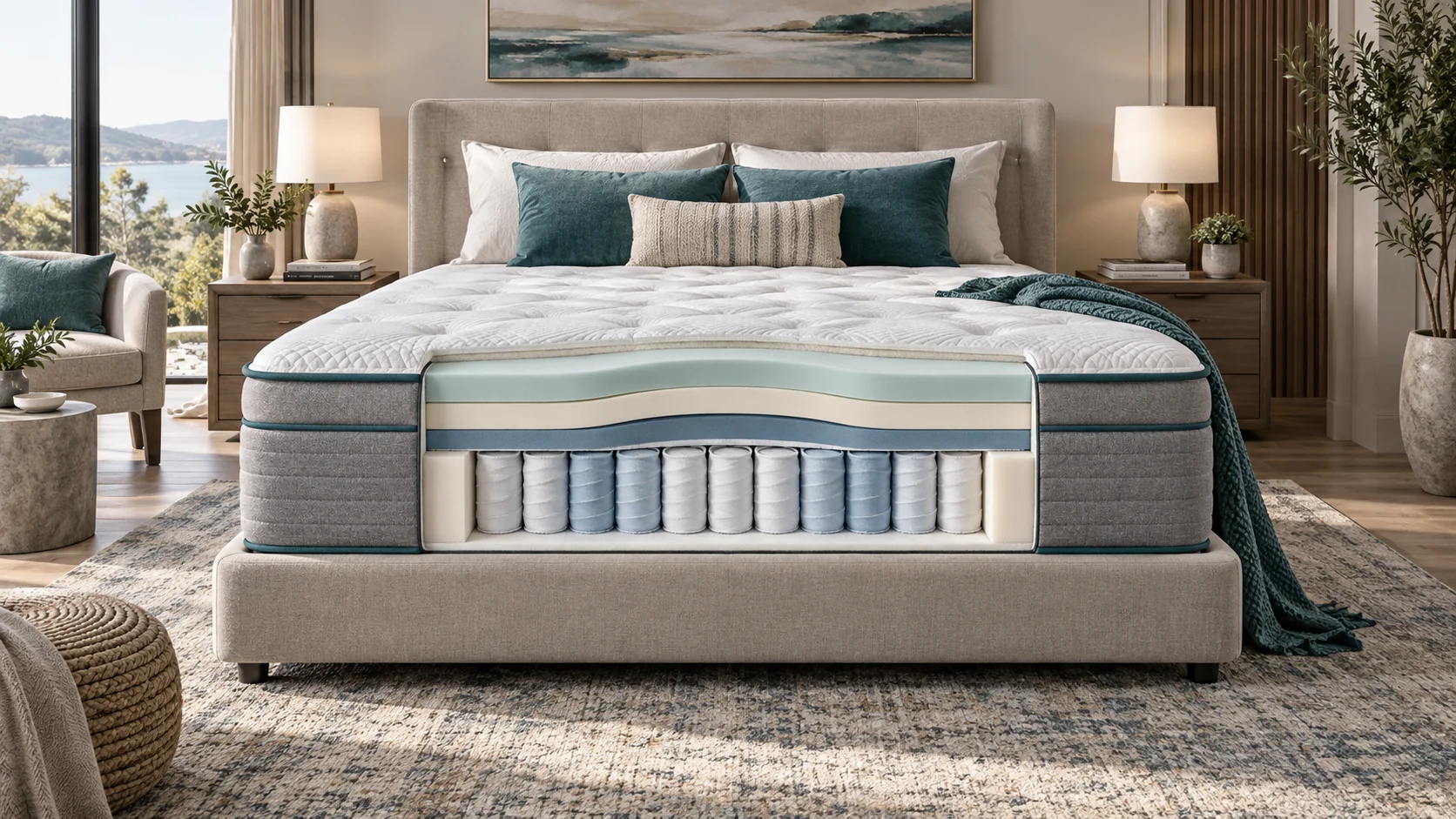
Hybrid Mattresses
Hybrid mattresses place a substantial foam, latex, fiber, or mixed comfort system over a coil support unit. They often add rebound and edge stability, but the complete layer stack determines the final feel.
What Is a Hybrid Mattress?
A hybrid combines a spring support unit with substantial comfort materials above it. Pocketed coils are common, though brands do not follow one universal layer-depth rule. The coil cavity creates more internal air space and can provide quicker pushback or a reinforced perimeter. Those tendencies are not guarantees: a thick memory-foam top can still feel deeply contouring and warm, and an unreinforced hybrid edge can still compress. Compare coil type, zoning, perimeter design, comfort-layer material and depth, firmness, cover, and current direct-store terms before treating the hybrid label as a buying decision.
Hybrid Pros & Cons
Pros
- ✓Coil rebound can make changing positions easier
- ✓More internal air space below the comfort system
- ✓Perimeter coils can create a steadier sitting and sleeping edge
- ✓Comfort materials range from memory foam to latex and fibers
- ✓Zoned coils can vary support across the mattress when clearly specified
Cons
- ✗Often costs more than a comparable all-foam model
- ✗Usually heavy and more difficult to move
- ✗Can transfer more movement than an all-foam design
- ✗Coils add another possible wear or noise source
- ✗Thick models may require deep-pocket sheets
Best For
Not Ideal For
Shop Hybrid Mattresses (187)
Featured mattress catalog
Showing 24 featured mattresses. Use the filters to explore all 187 options.

Best for: Budget conscious hybrid shoppers · Back and combination sleepers considering a responsive medium firm surface
Why it stands out: The simple three-part build combines responsive Open-cell Foam with individually wrapped coils, favoring easier movement and more airflow than a basic all-foam design
Keep in mind: The disclosed construction does not include the Align zoned Memory Foam or separately reinforced edge support listed for Original Hybrid, so the perimeter may feel less substantial
Buy with confidence
90-day return window shown for the exact Queen offer at Amazon
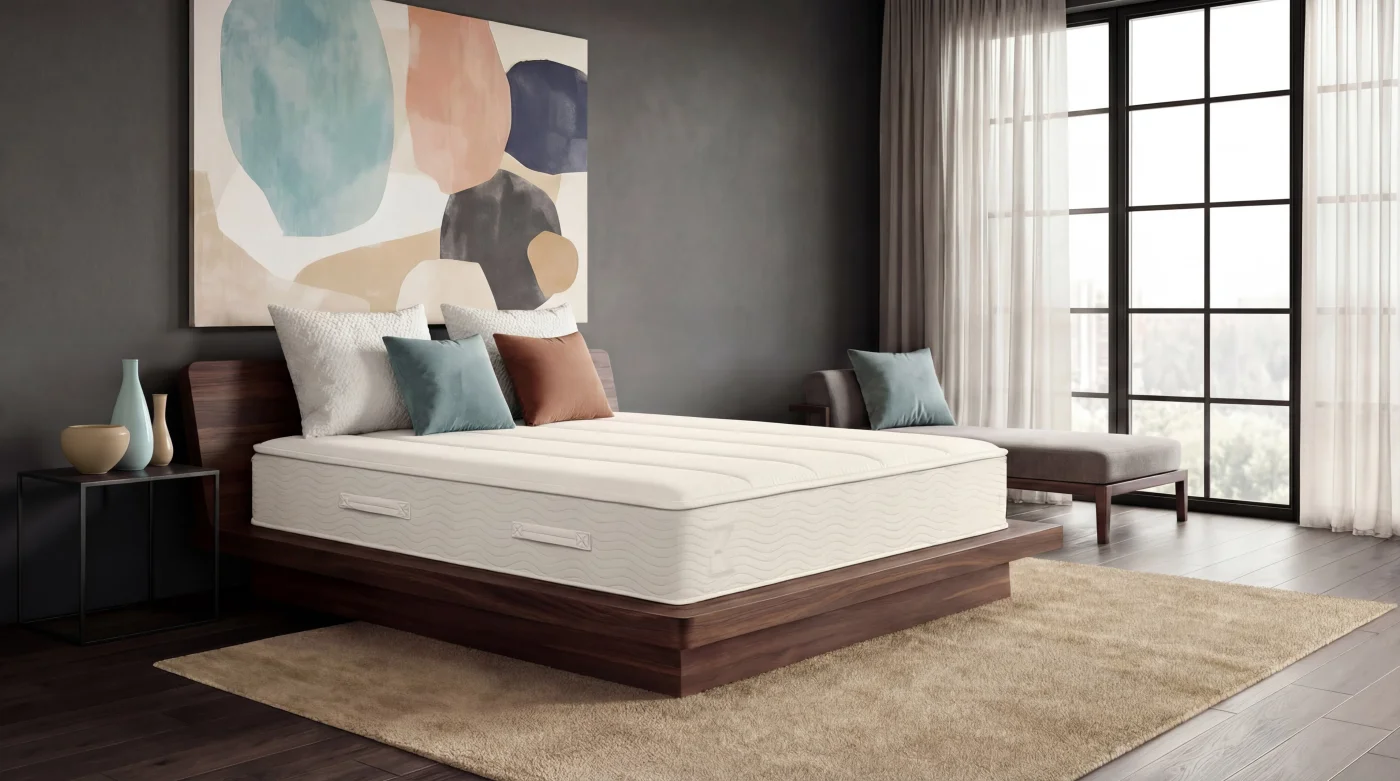
Best for: Back sleepers wanting a firmer hybrid · Value focused hybrid shoppers
Why it stands out: The exact one-inch memory-foam and one-inch comfort-foam depths make the entry hybrid's two-inch comfort package clear
Keep in mind: Keetsa calls Plus Firm in the title and body but Medium-Firm in one benefits bullet, so shoppers should not treat the label as a precise numeric score

Best for: Medium hybrid shoppers · Combination sleepers wanting spring response
Why it stands out: Its disclosed one-inch Memory Foam, 1.5-inch GreenFlex foam, eight-inch springs, and 0.75-inch base explain exactly what the hybrid upgrade adds
Keep in mind: One broad medium-to-medium-firm feel is offered; Leesa does not publish a separate lumbar-zone design for this model
Buy with confidence
90-day return window shown for the exact Queen offer at Amazon
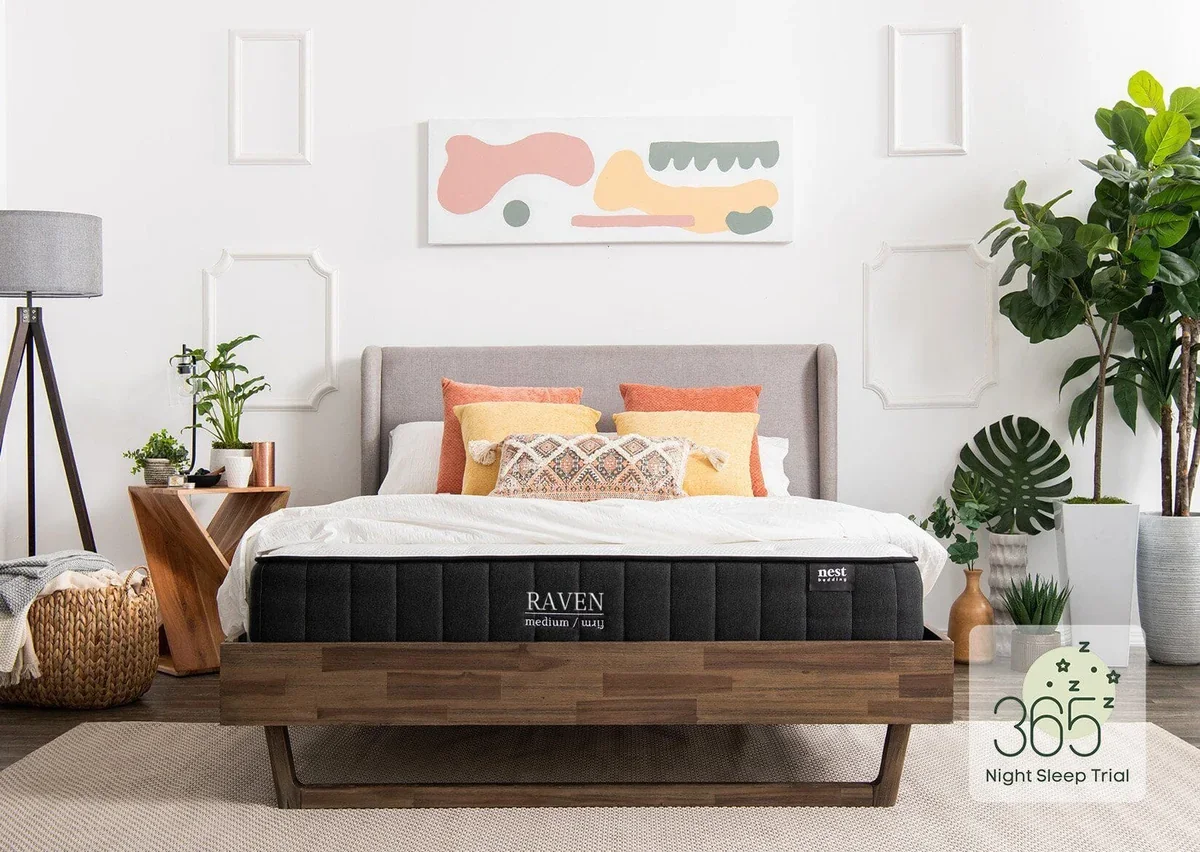
Best for: Budget shoppers · Guest rooms
Why it stands out: An eight-inch pocketed-coil unit supplies spring support beneath the two foam surfaces
Keep in mind: Changing firmness requires lifting and flipping the entire mattress rather than rearranging a removable comfort layer
Buy with confidence
365-night trial with comfort-exchange options at Nest Bedding
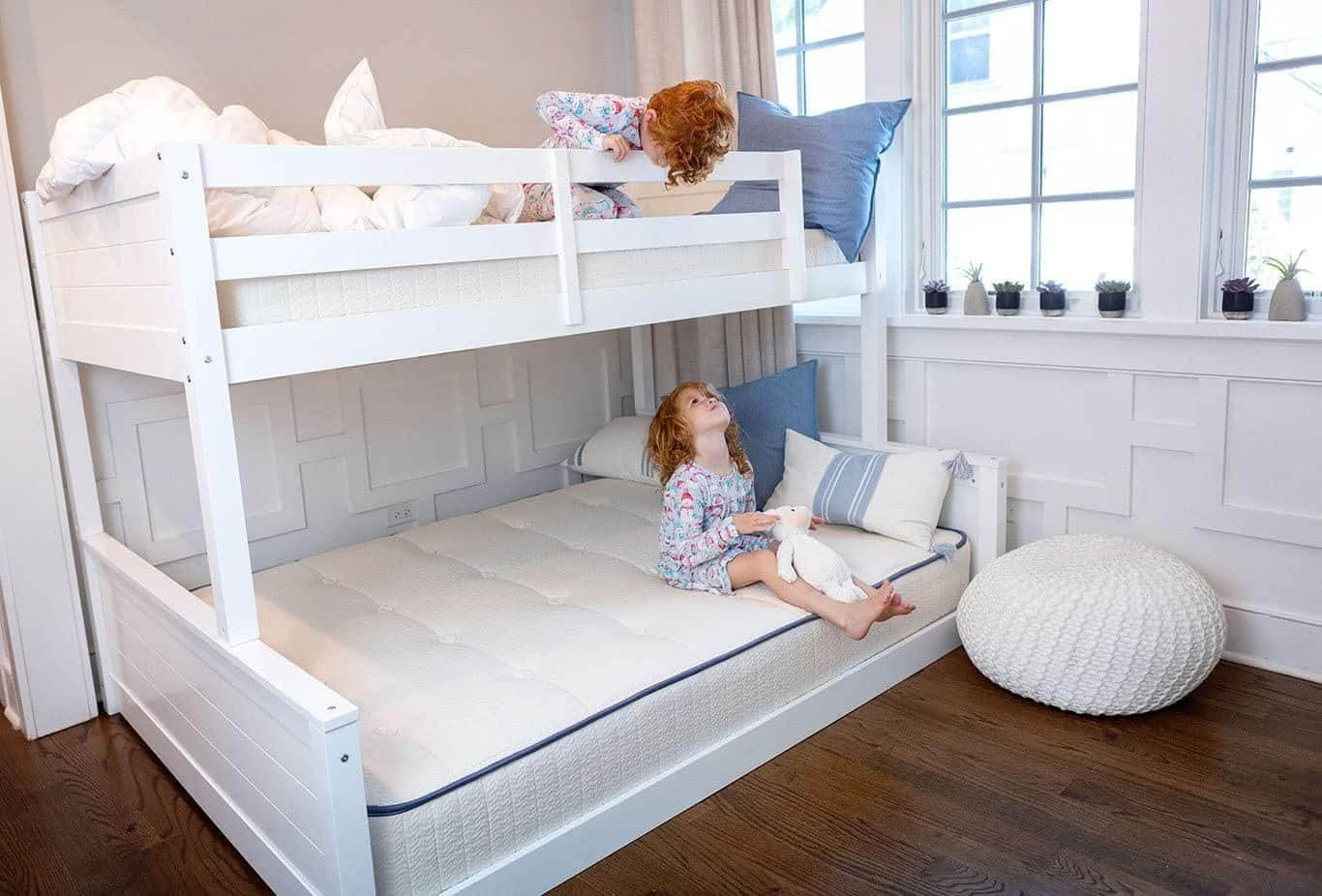
Best for: Kids · Bunk beds
Why it stands out: A 1.25-inch organic Dunlop latex layer preserves responsive cushioning without Kiwi's deeper comfort package
Keep in mind: The shallower latex layer may not provide the cushioning depth an adult wants; this current model contains latex and is not the retired latex-free Pure Echo
Buy with confidence
365-night risk-free comfort trial at My Green Mattress
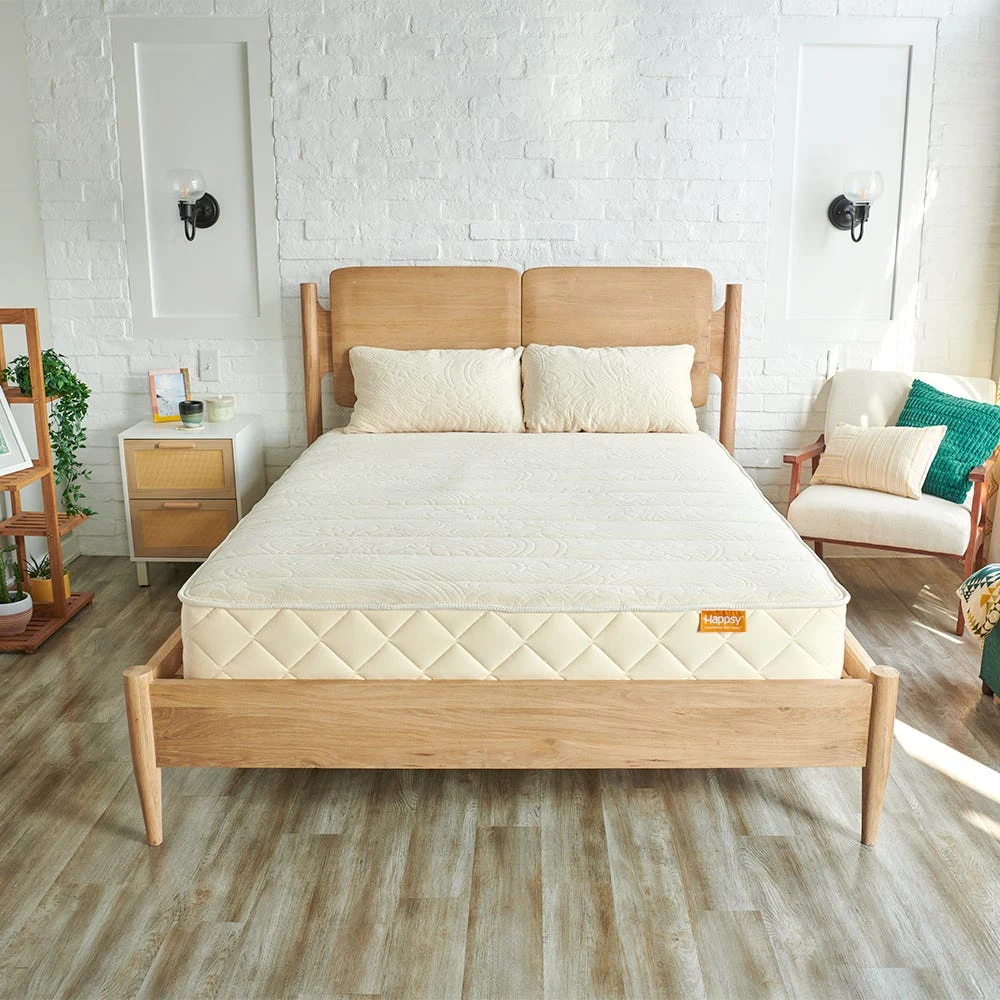
Best for: Back sleepers · Combination sleepers
Why it stands out: Medium-Firm and Plush use the same named material family; the practical difference is coil tuning, so choose Medium-Firm for stronger lift or Plush for softer shoulder-and-hip contour rather than treating Plush as a material upgrade
Keep in mind: The current product page does not publish the mattress latex thickness, coil count, or exact steel gauges and turns, so those specifications cannot be compared precisely
Buy with confidence
120-night Happsy comfort guarantee with free eligible returns at Happsy
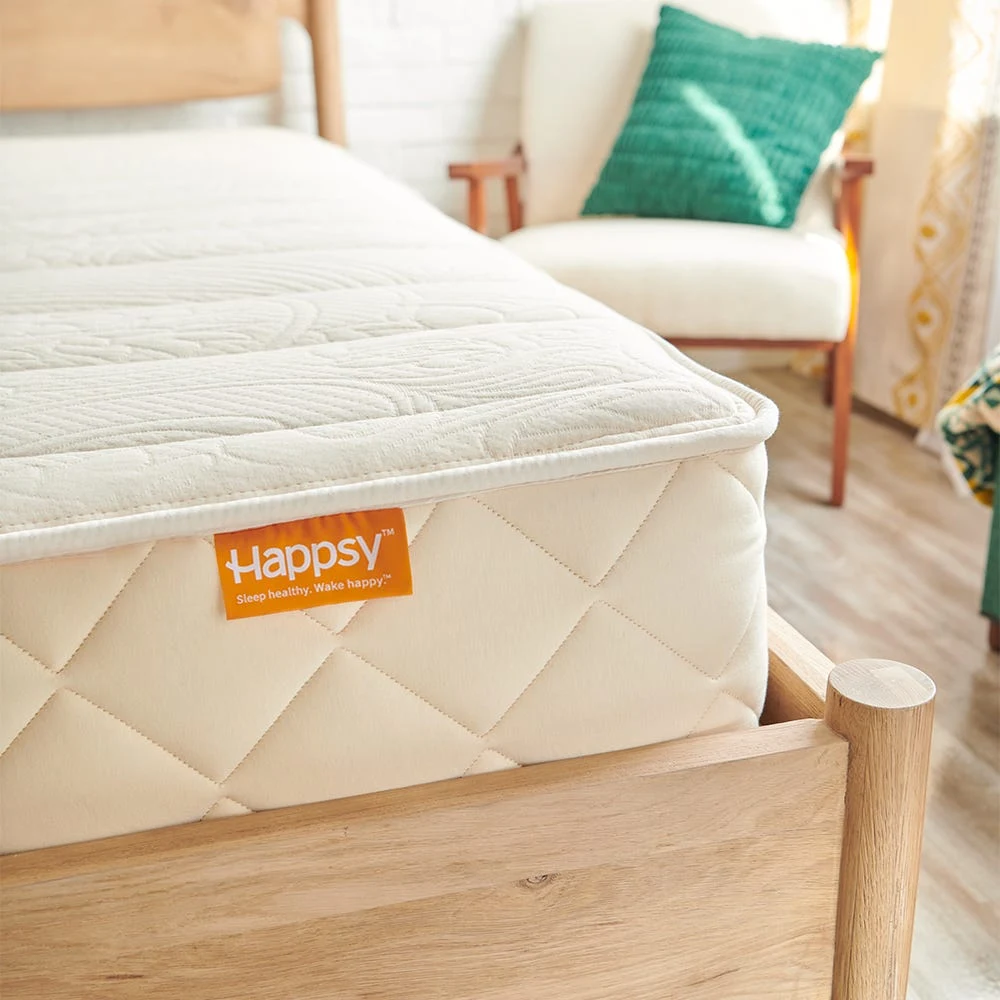
Best for: Side sleepers seeking more shoulder and hip contour · Lighter sleepers who find medium firm surfaces too resistant
Why it stands out: Plush uses the same two-inch latex layer and eight-inch glueless pocket-coil unit as Medium-Firm, with softer coil tuning that gives side sleepers more shoulder-and-hip contour
Keep in mind: Happsy does not publish the exact Plush coil gauge, turn count, coil count, or numerical firmness, which limits precise comparison with another soft latex hybrid
Buy with confidence
120-night Happsy comfort guarantee with free eligible returns at Happsy
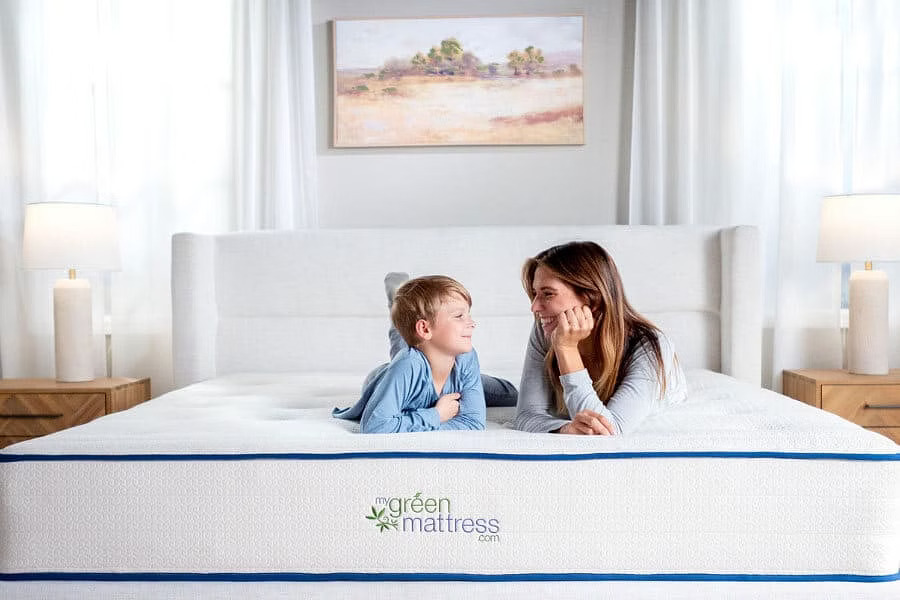
Best for: Organic materials · Value shoppers
Why it stands out: Two inches of organic Dunlop latex provide 0.75 inch more cushioning depth than Pure Eco's latex layer
Keep in mind: Latex and wool are present; the organic materials do not make the mattress allergy-free or suitable for everyone
Buy with confidence
365-night risk-free comfort trial at My Green Mattress
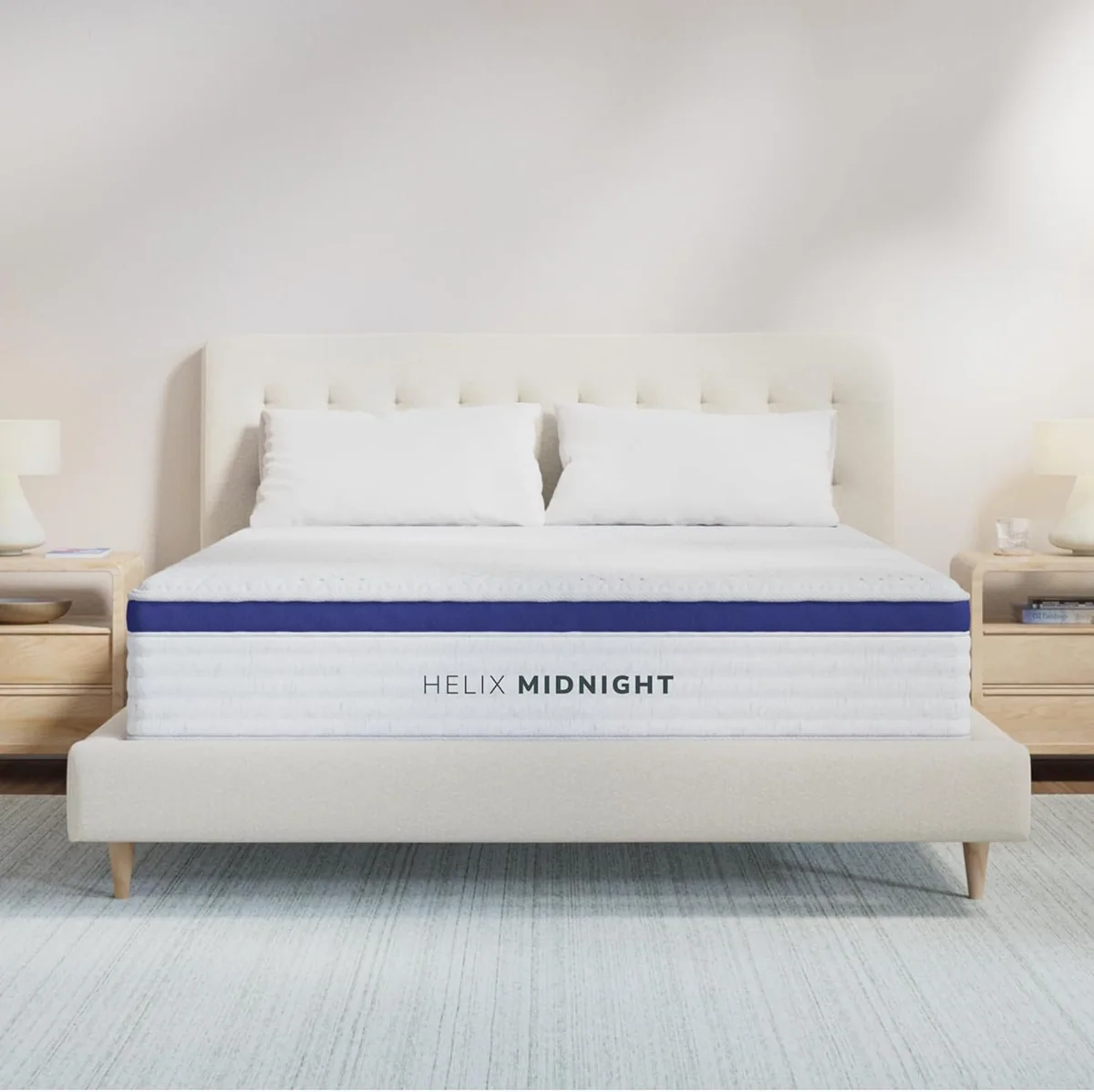
Best for: Shoppers considering a listing described medium memory foam hybrid · Side sleepers using the listing positioning as a starting point, with seller returns reviewed
Why it stands out: Breathe Knit cover and SupremeSupport 2.5 Memory Foam
Keep in mind: Firmness and airflow descriptions do not establish personal comfort or measured cooling performance
Buy with confidence
30-day seller window observed; confirm return eligibility at Amazon
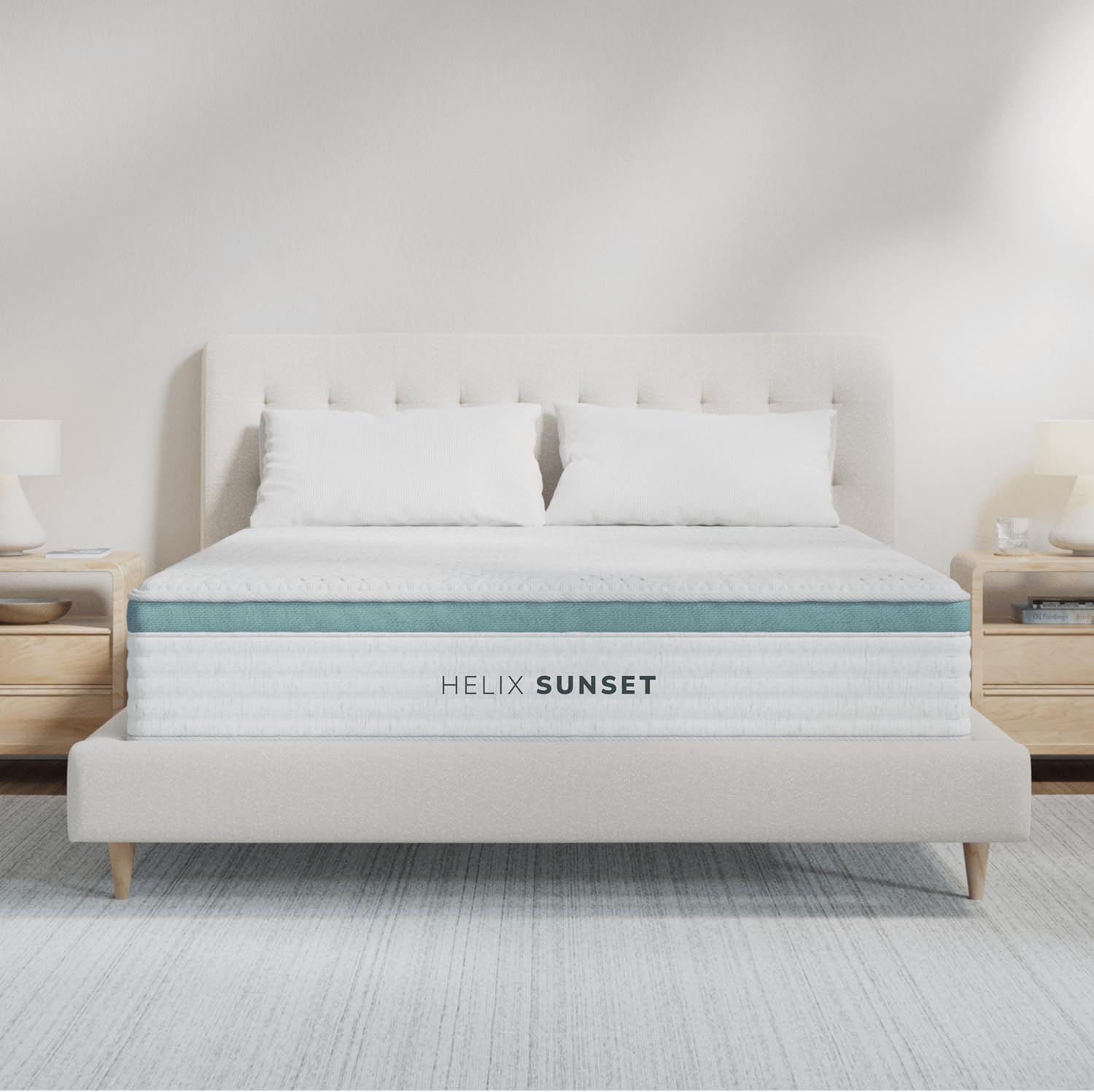
Best for: Side sleepers · Soft feel shoppers
Why it stands out: 120-night direct-purchase trial
Keep in mind: Cooling upgrades may cost extra
Buy with confidence
30-day return window shown for the exact Queen offer at Amazon

Best for: Side sleepers · Firm feel shoppers
Why it stands out: 120-night direct-purchase trial
Keep in mind: Cooling upgrades may cost extra
Buy with confidence
30-day seller window observed; confirm return eligibility at Amazon

Best for: Back sleepers · Stomach sleepers
Why it stands out: The named foam stack explains the feel: SupremeSupport and gel memory foams add cushioning, while the two responsive foams are tuned to limit excessive hip and lower-back sink for back and stomach sleepers
Keep in mind: The base configuration uses Breathe Knit; Helix's cool-to-the-touch GlacioTex pillow top costs extra and should not be treated as included cooling performance
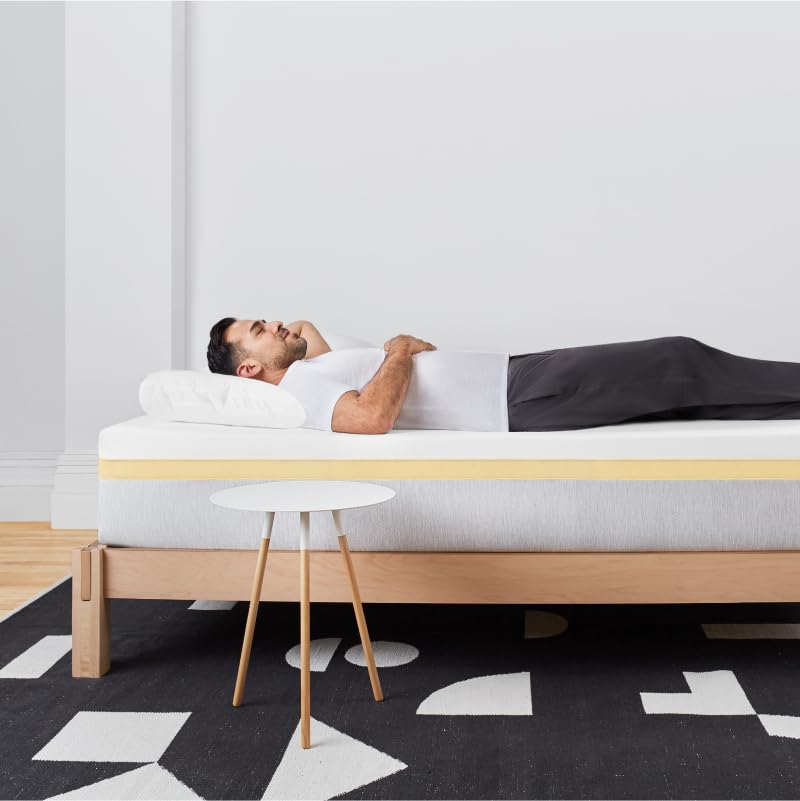
Best for: Back and stomach sleepers who deliberately prefer a firm surface · Shoppers who want less sink and easier position changes
Why it stands out: The published 8-9 out of 10 feel and firm-tuned responsive foams limit surface sink for shoppers deliberately seeking a flatter back- or stomach-sleeping surface
Keep in mind: An 8-9 out of 10 surface can provide too little shoulder and hip give for many side sleepers or shoppers who do not already know they prefer firm mattresses
Buy with confidence
30-day return window shown for the exact Queen offer at Amazon
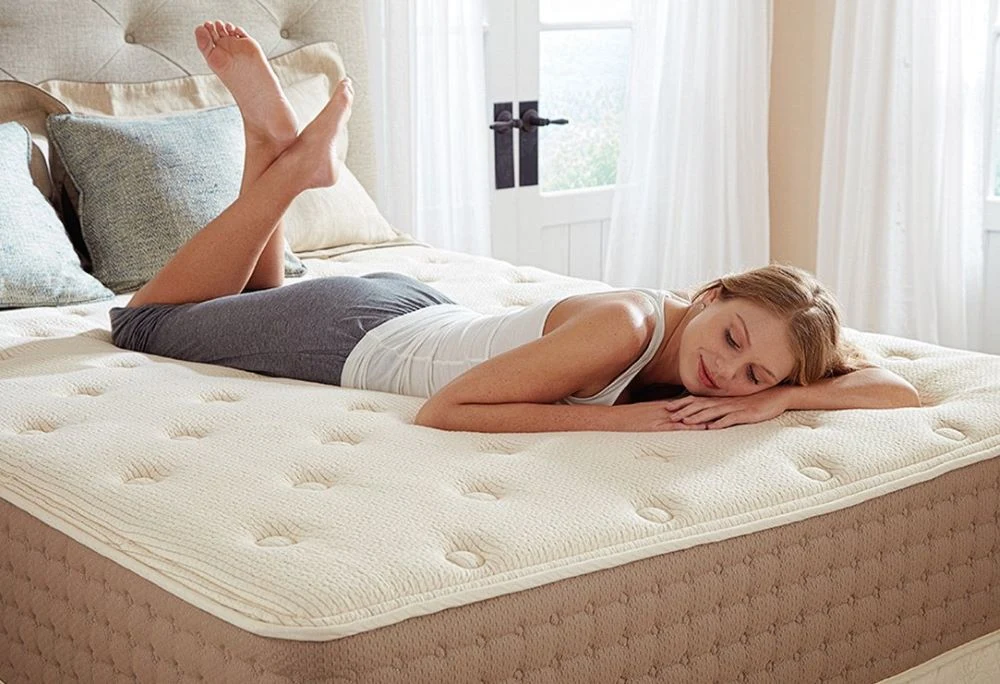
Best for: Side and lighter sleepers considering the Medium ILD 24 26 option · Back, stomach, and larger sleepers considering Medium Firm ILD 29 31
Why it stands out: The current build uses three inches of GOLS-certified organic latex with GOTS organic cotton and wool and no polyurethane or Memory Foam
Keep in mind: Eco Terra does not publish the coil-unit height or coil count, while Latex For Less lists an eight-inch core and 1,057 Queen coils
Buy with confidence
90-night direct-purchase mattress trial at Eco Terra
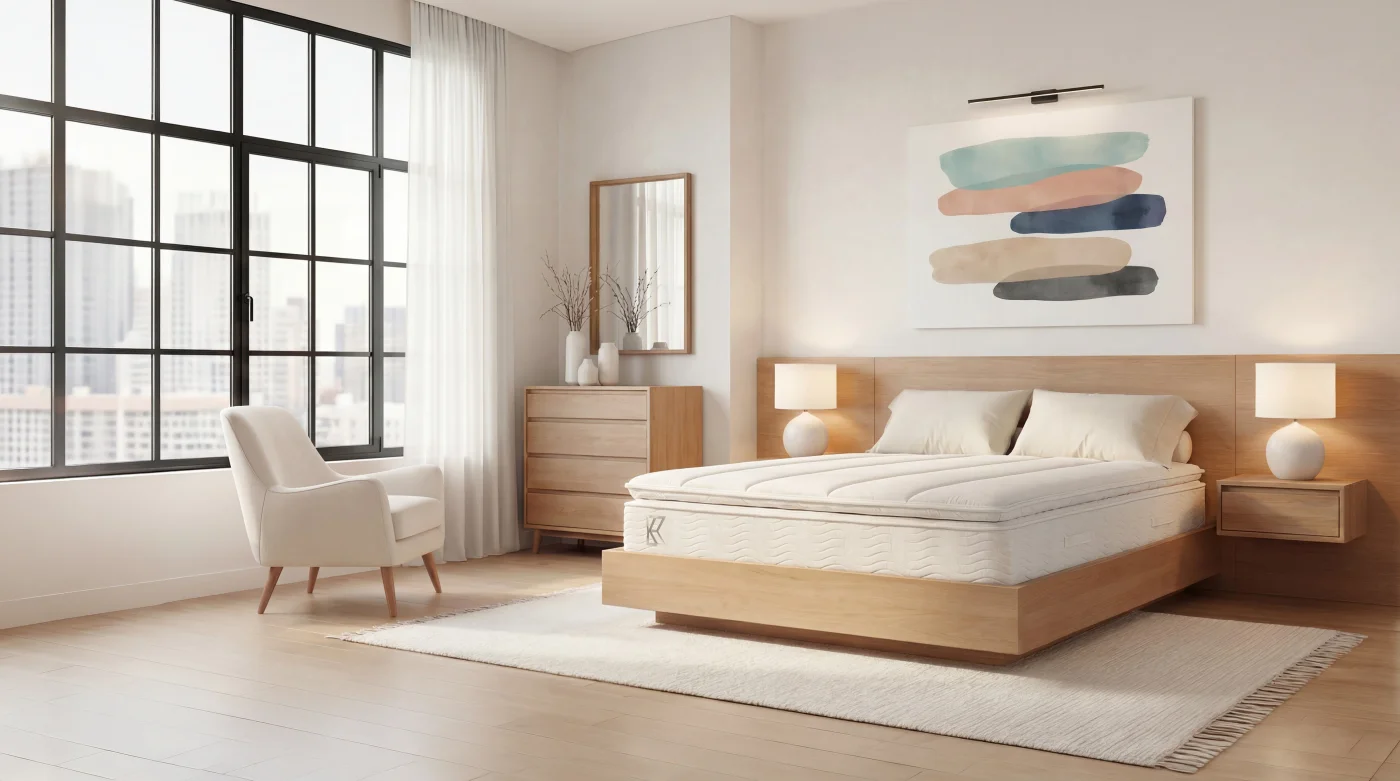
Best for: Combination sleepers wanting medium firm cushioning · Couples comparing motion control with coil response
Why it stands out: The published three-inch integrated memory- and comfort-foam package adds one inch of comfort material over Keetsa Plus before the coil core
Keep in mind: The current California King variant was listed but sold out at the September 25 capture
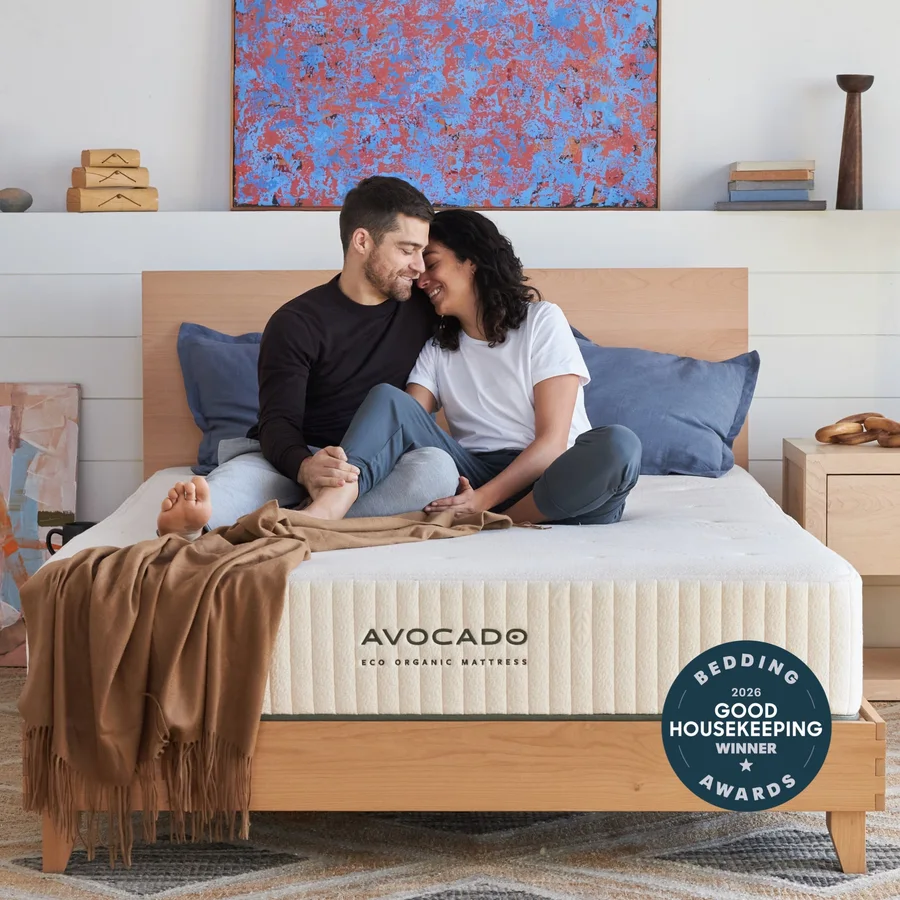
Best for: Value conscious organic shoppers · Back sleepers
Why it stands out: The two-inch D65 Dunlop latex layer and three-zone coil unit provide the core organic latex-hybrid format at a lower catalog position than Green
Keep in mind: Eco Organic has one feel, two inches of latex, three zones, and no hand tufting; Green offers more configurations, more latex, and seven-zone support
Buy with confidence
100-night direct-purchase comfort trial at Avocado
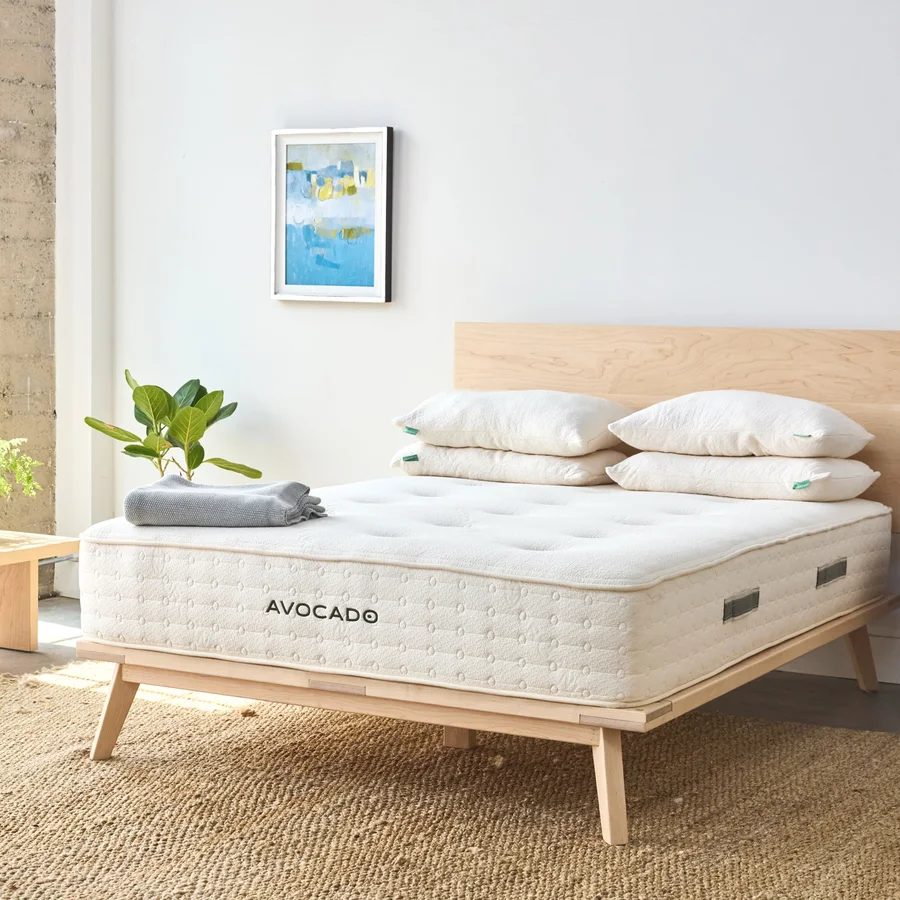
Best for: Back sleepers · Combination sleepers
Why it stands out: The literal build uses two inches of D65 organic Dunlop latex at 14-19 ILD above the springs plus 0.75 inch below them; the lower pad adds resilient material beneath the support core rather than a deeper surface cradle
Keep in mind: The single interior spring zone does not provide Avocado Green's seven-zone support, so shoppers seeking more differentiated shoulder, lumbar, and hip response should compare Green Medium
Buy with confidence
100-night direct-purchase sleep trial at Avocado
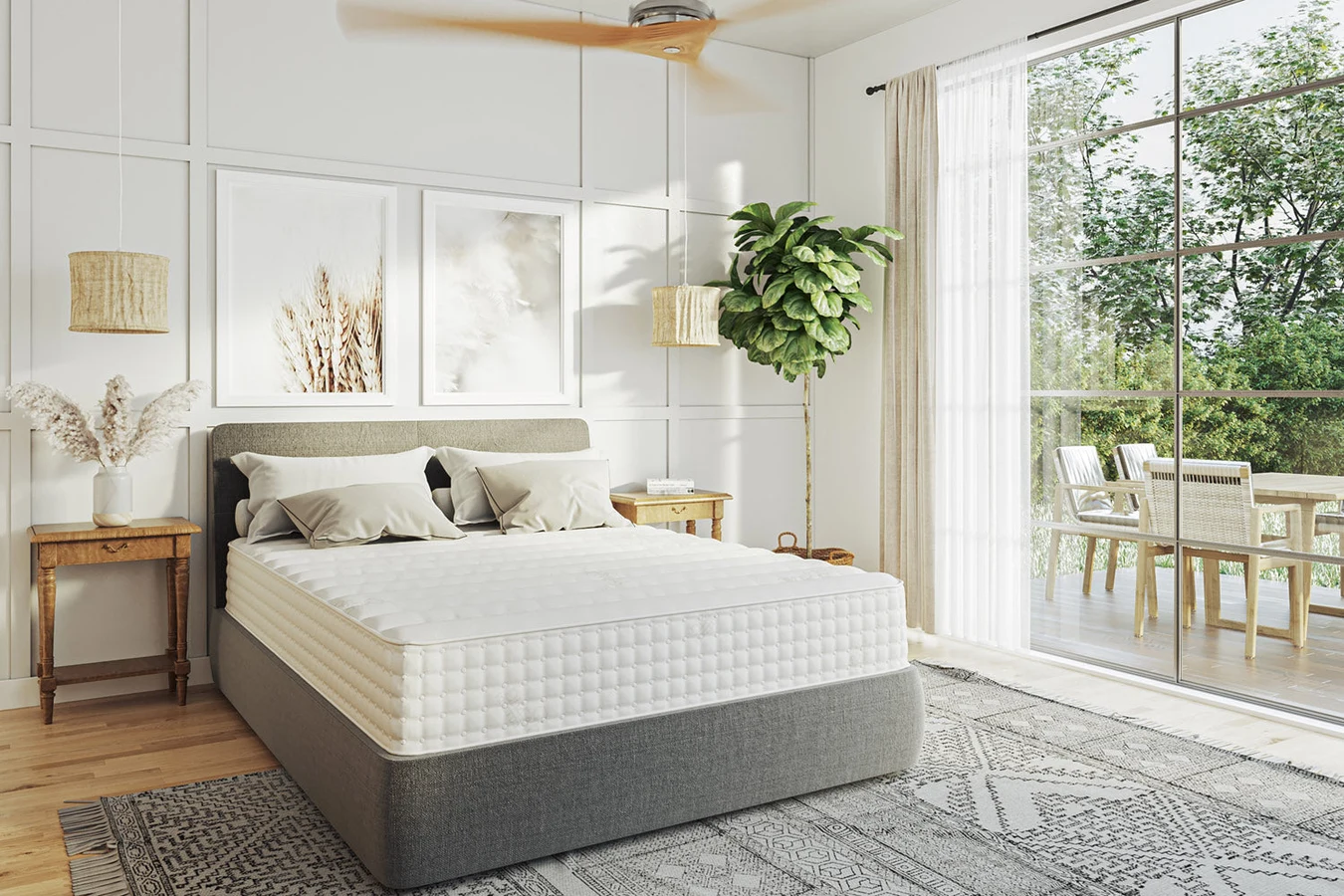
Best for: Shoppers who want a published eight inch coil core and exact Queen coil count · Couples who prioritize reinforced edges and individually wrapped coils
Why it stands out: The product page publishes the complete support stack: three inches of organic Dunlop latex over an eight-inch wrapped-coil core
Keep in mind: The product selector says Firm while the construction section calls the 85-density latex medium-firm, so the firmer option is not described consistently
Buy with confidence
120-night direct-purchase mattress trial at Latex For Less
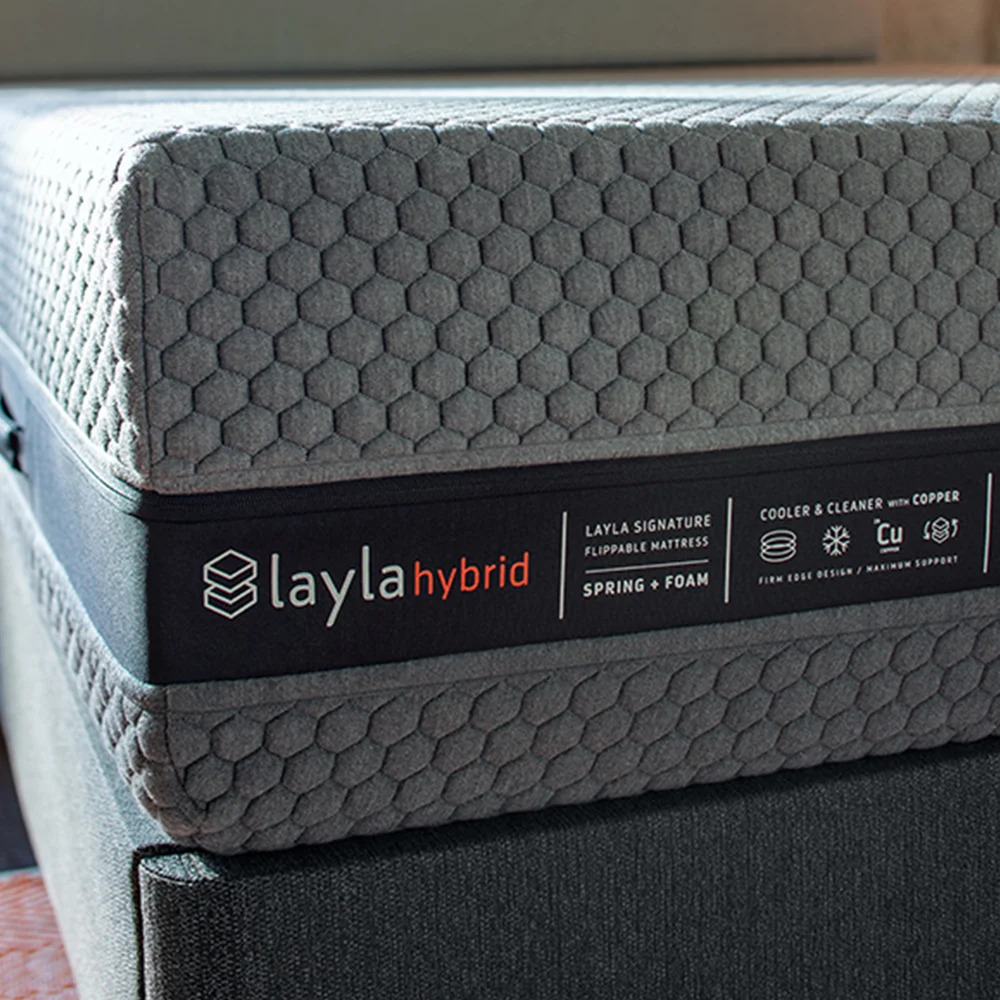
Best for: Couples choosing between two firmnesses · Side and combination sleepers wanting a softer surface with a firmer fallback
Why it stands out: Both sleep surfaces use 3.5-pound copper-gel Memory Foam, with softer 23-ILD airflow foam on one side and firmer 40-ILD airflow foam on the other
Keep in mind: Both sides still use Memory Foam, so flipping changes firmness rather than creating a buoyant latex or traditional pillow-top feel
Buy with confidence
30-night at-home comfort trial at Layla
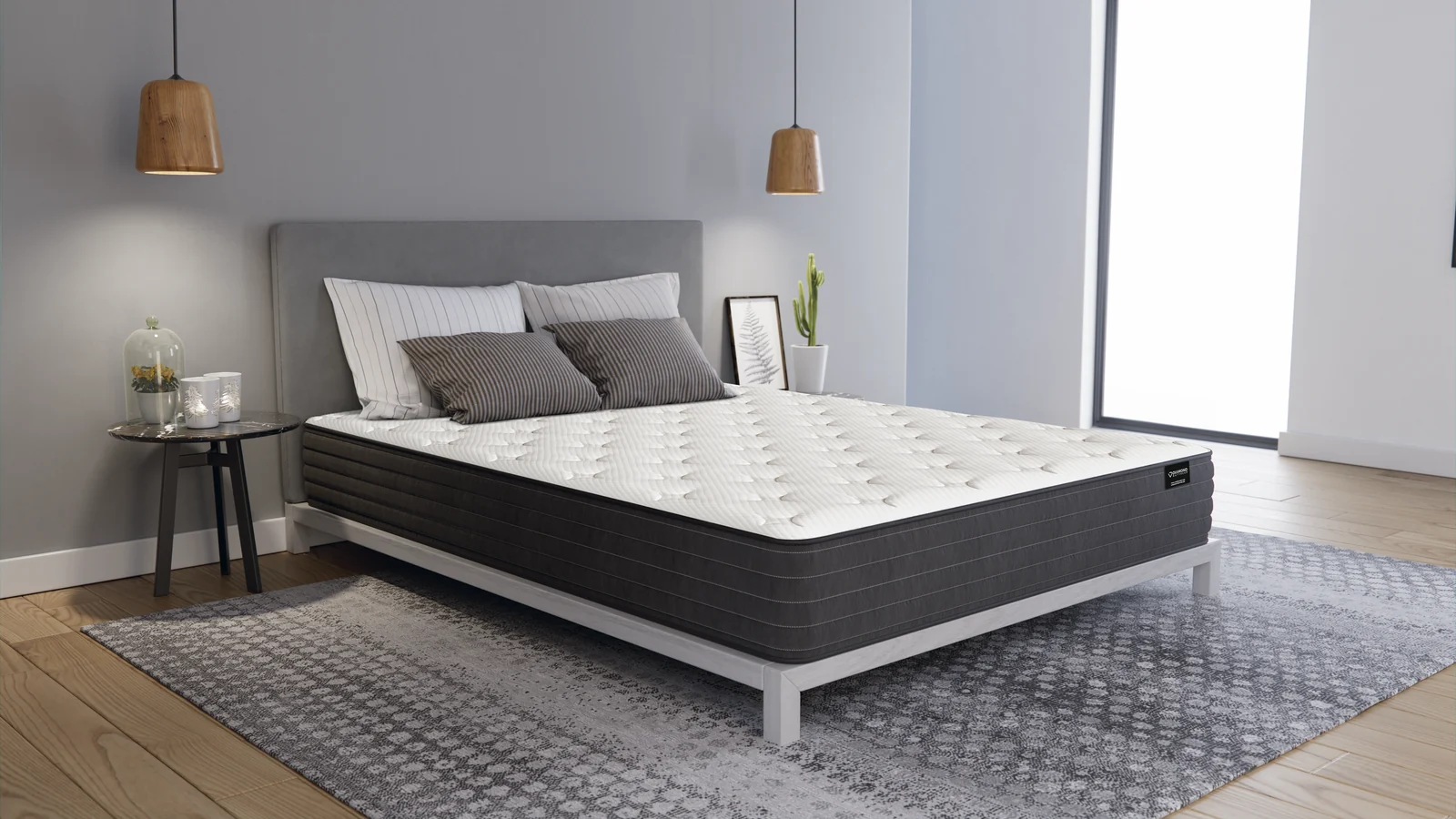
Best for: Value focused hybrid shoppers · Combination sleepers wanting a Medium feel
Why it stands out: The simple copper-memory-foam and wrapped-coil build gives value shoppers a clear current Diamond starting point
Keep in mind: Copper cooling and antimicrobial effects, contouring, motion transfer, and edge outcomes are manufacturer claims rather than SleepRanked lab results
Buy with confidence
120-night comfort guarantee at Diamond Mattress
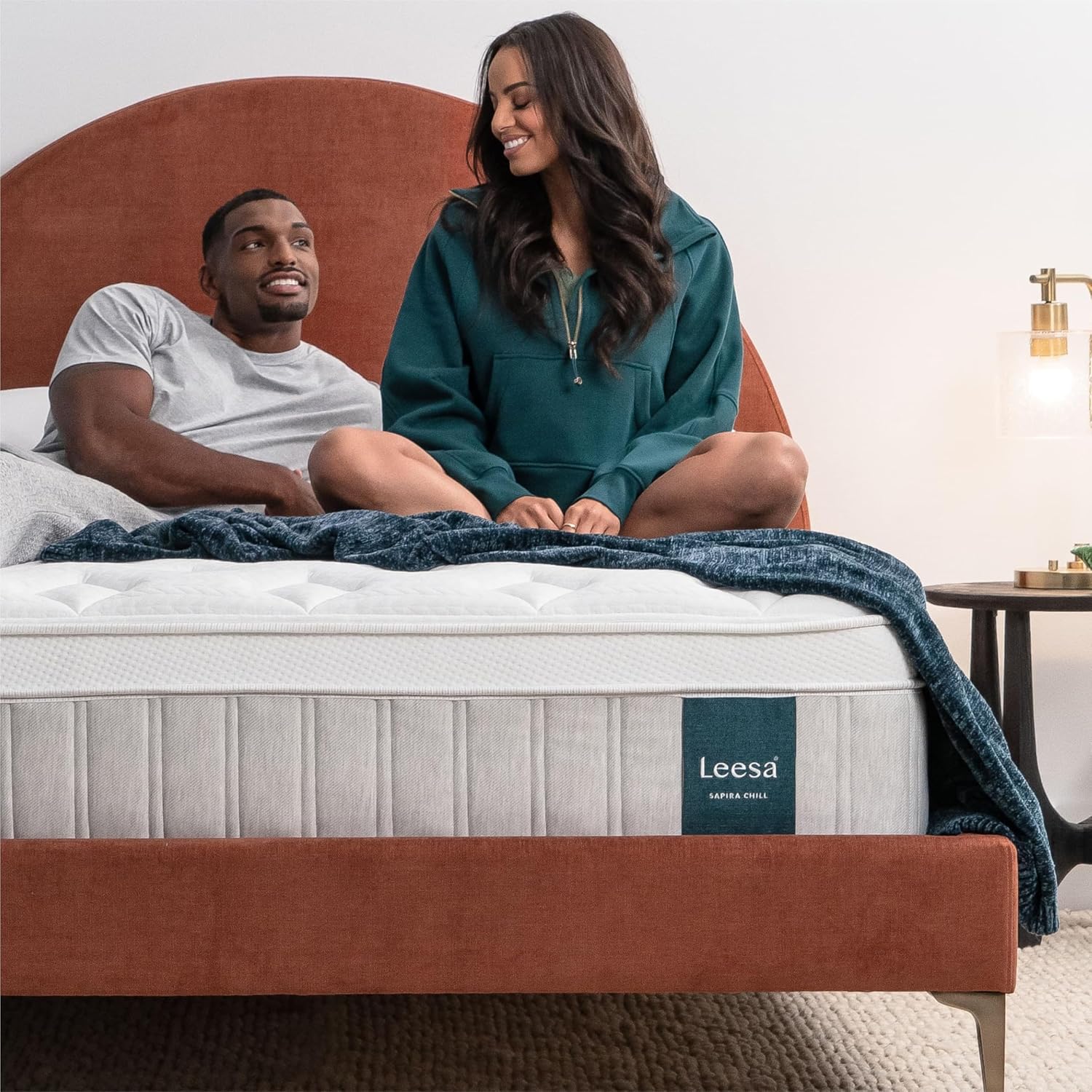
Best for: Hot sleepers · Back sleepers
Why it stands out: Ultra Cool cover and open-cell GreenFlex foam address surface heat
Keep in mind: Costs more than the standard Sapira Hybrid because it adds a cooling quilt top and selectable comfort levels
Buy with confidence
90-day return window shown for this exact Queen offer at Amazon
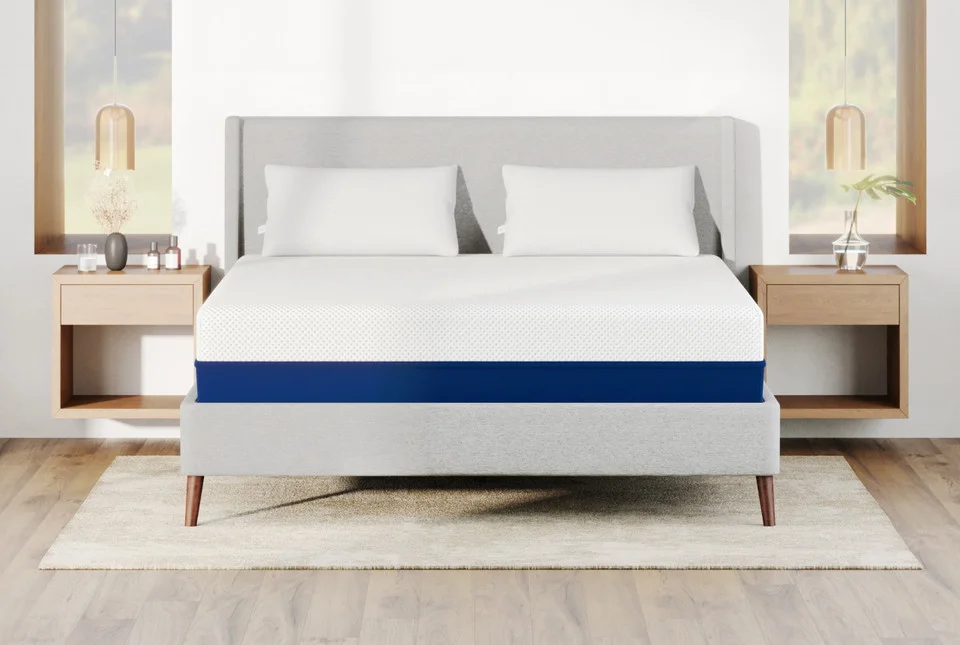
Best for: Combination sleepers who want a medium surface with faster coil response · Couples who use the full mattress width and value a stronger perimeter
Why it stands out: The 3-inch Bio-Pur surface matches AS3 Foam's comfort depth, while the eight-inch zoned pocketed-coil unit adds faster support response beneath the same medium 5/10 target
Keep in mind: Amerisleep's product page and the literal 3/8/1-inch layers support a 12-inch profile, but some current category charts say 13 inches; clearance-sensitive shoppers should confirm finished height
Buy with confidence
100-night risk-free sleep trial at Amerisleep
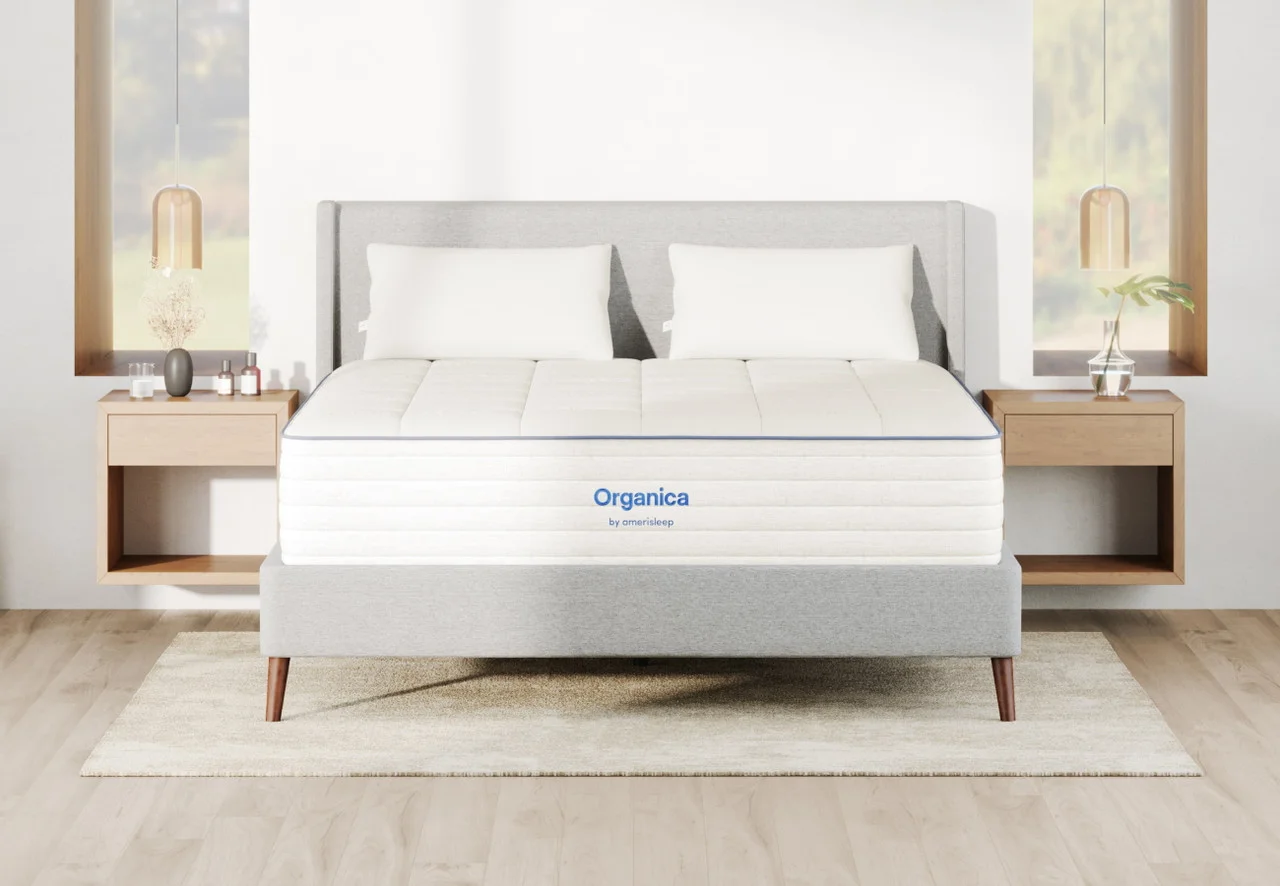
Best for: Organic materials · Hot sleepers
Why it stands out: The literal comfort stack uses two inches of soft Talalay latex over one inch of medium Talalay latex, creating a buoyant medium surface without slow memory-foam sink
Keep in mind: The springy latex-and-coil response transfers more rebound than a slow all-foam mattress and may not suit shoppers who want a deep memory-foam cradle
Buy with confidence
100-night risk-free sleep trial at Amerisleep
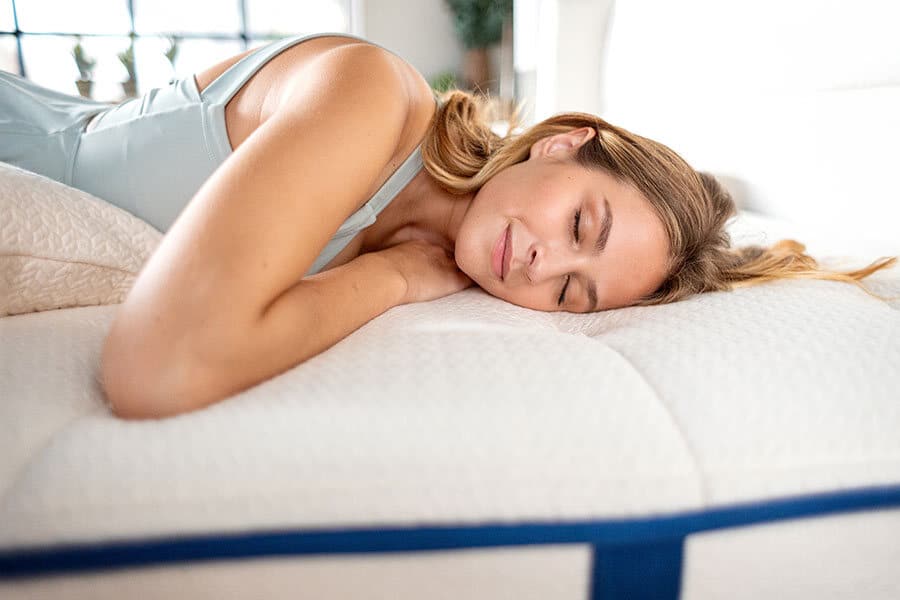
My Green Mattress Natural Escape Organic Mattress
Best for: Adults · Couples
Why it stands out: Three inches of D65, 22–24 ILD Dunlop latex give an adult shoulder and hip more material to compress before reaching the support unit while retaining latex's faster response
Keep in mind: The published 7.5–8 out of 10 feel is on the firmer side; strict side sleepers seeking a plush surface may need the separate two-inch topper or a softer mattress
Buy with confidence
365-night risk-free comfort trial at My Green Mattress
Hybrid Mattress — Frequently Asked Questions
What makes a mattress a hybrid?
A hybrid combines a coil support unit with a substantial comfort system made from foam, latex, fibers, or several materials. Brands do not follow one universal minimum thickness, so inspect the complete layer list.
Are hybrid mattresses better than memory foam?
Neither is universally better. Hybrids usually provide quicker pushback, more internal air space, and potentially stronger edges. All-foam memory foam usually isolates movement better and creates a quieter, more enveloping surface. Our comparison guide shows two current matched pairs.
How do I choose between a foam hybrid and a latex hybrid?
Compare response and contour first. Memory foam generally responds more slowly and conforms more closely; latex generally rebounds faster. Then compare the exact layer depth, firmness, materials claims, price, and return terms because the category alone does not establish value or durability.
Does a hybrid automatically have strong edge support?
No. A hybrid can use firmer perimeter coils or a separate border, but not every model does. Look for a stated edge design and test or review the exact mattress rather than inferring it from the coil unit.
Do hybrid mattresses sag?
Any mattress can develop impressions or uneven support. In a hybrid, the comfort layers, coil unit, perimeter, foundation, and use all matter. Coil count alone is not a reliable durability score because coil size and design vary.