Latex Mattresses
Latex mattresses use natural, synthetic, or blended latex for a responsive sleeping surface. The exact formulation, processing method, layer depth, and support system matter more than the category name alone.
What Is a Latex Mattress?
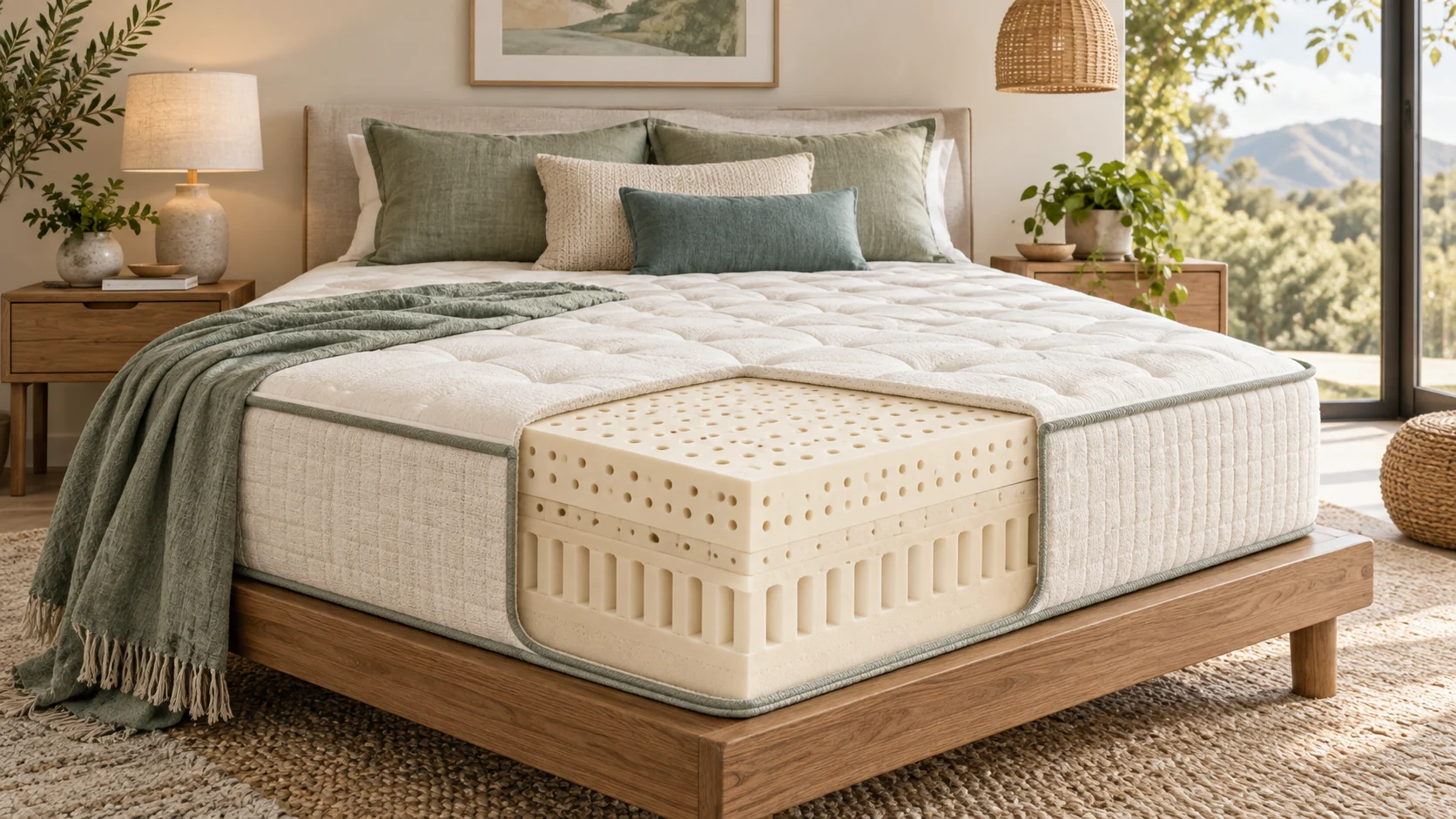
Natural latex starts with rubber-tree sap, while synthetic latex uses polymers such as SBR; blended formulations combine the two. GOLS can verify an organic natural-rubber latex claim, but its certificate scope may cover the latex material rather than the whole mattress. Dunlop processing often produces a denser, more bottom-heavy latex core, while Talalay processing uses vacuum and freezing steps to create a more consistent, airy layer. Either process can be offered in several firmnesses, so process is not a firmness rating. All-latex and latex-hybrid beds can both be durable, but useful comparisons still require the exact latex formulation and depth, layer design, support system, cover, certification scope, and warranty exclusions.
Latex Pros & Cons
Pros
- ✓Naturally responsive bounce — easy to change positions
- ✓Perforated latex layers can allow more airflow than dense slow-response foam
- ✓Quality latex can resist impressions well when the complete build is sound
- ✓Natural and organic claims can be checked through GOLS and GOTS scope records
Cons
- ✗Expensive — natural latex costs more than foam alternatives
- ✗Heavy — all-latex mattresses can weigh 80–120 lbs
- ✗Bounce may disturb light-sleeping partners
- ✗Latex allergy risk — rare but some people are allergic
- ✗Less conforming than memory foam — not ideal for maximum pressure relief
Best For
Not Ideal For
Shop Latex Mattresses (16)
Featured mattress catalog
Showing 7 featured mattresses. Use the filters to explore all 16 options.
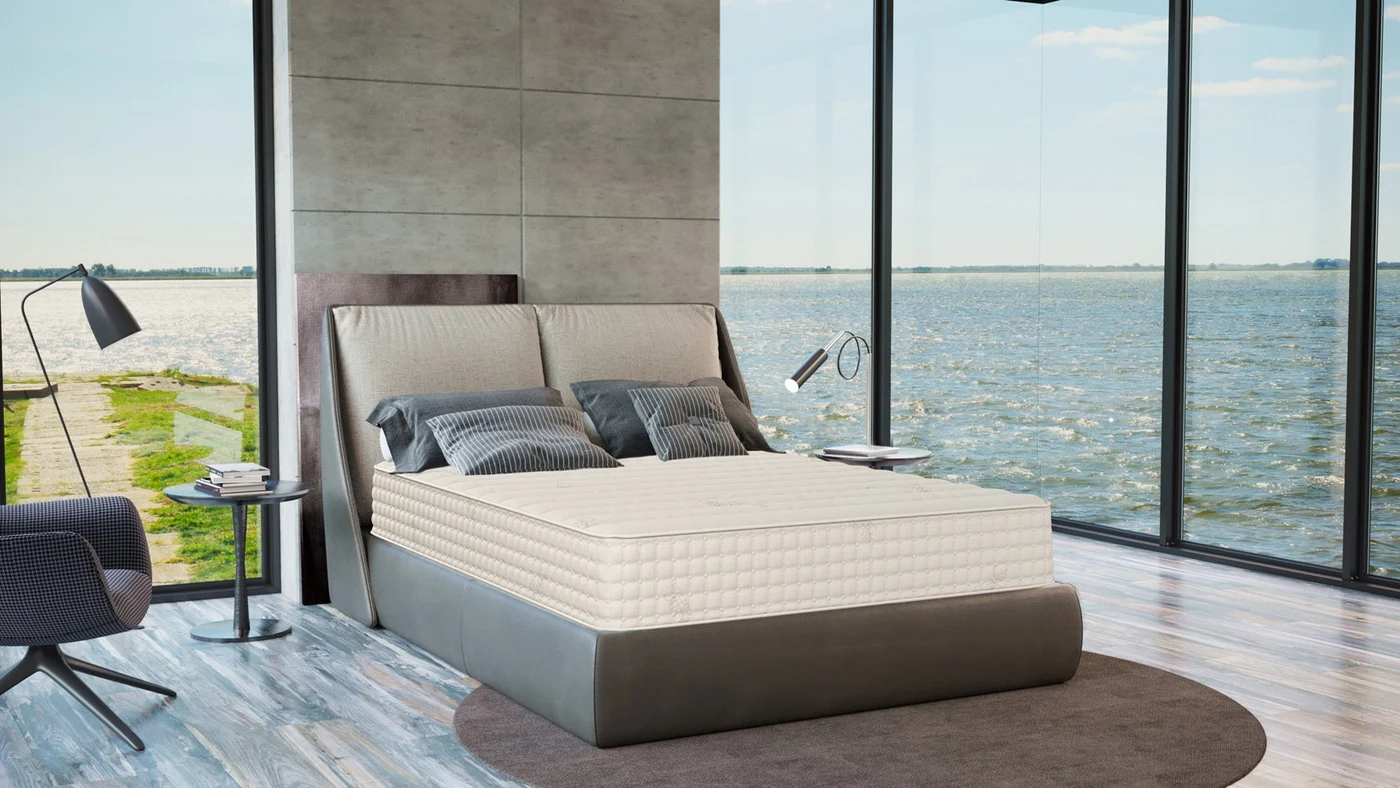
Best for: Shoppers who want Medium and Firm choices in one reversible mattress · Buyers who prefer an all latex core without pocket coils
Why it stands out: The 9-inch construction publishes 6 inches of D85 firm natural latex and 2 inches of D75 medium natural latex between organic-wool barriers
Keep in mind: The current page does not publish the exact latex-layer split inside the 7-inch model, so the 9-inch 6-plus-2-inch recipe cannot be applied to it
Buy with confidence
120-night direct-purchase mattress trial at Latex For Less
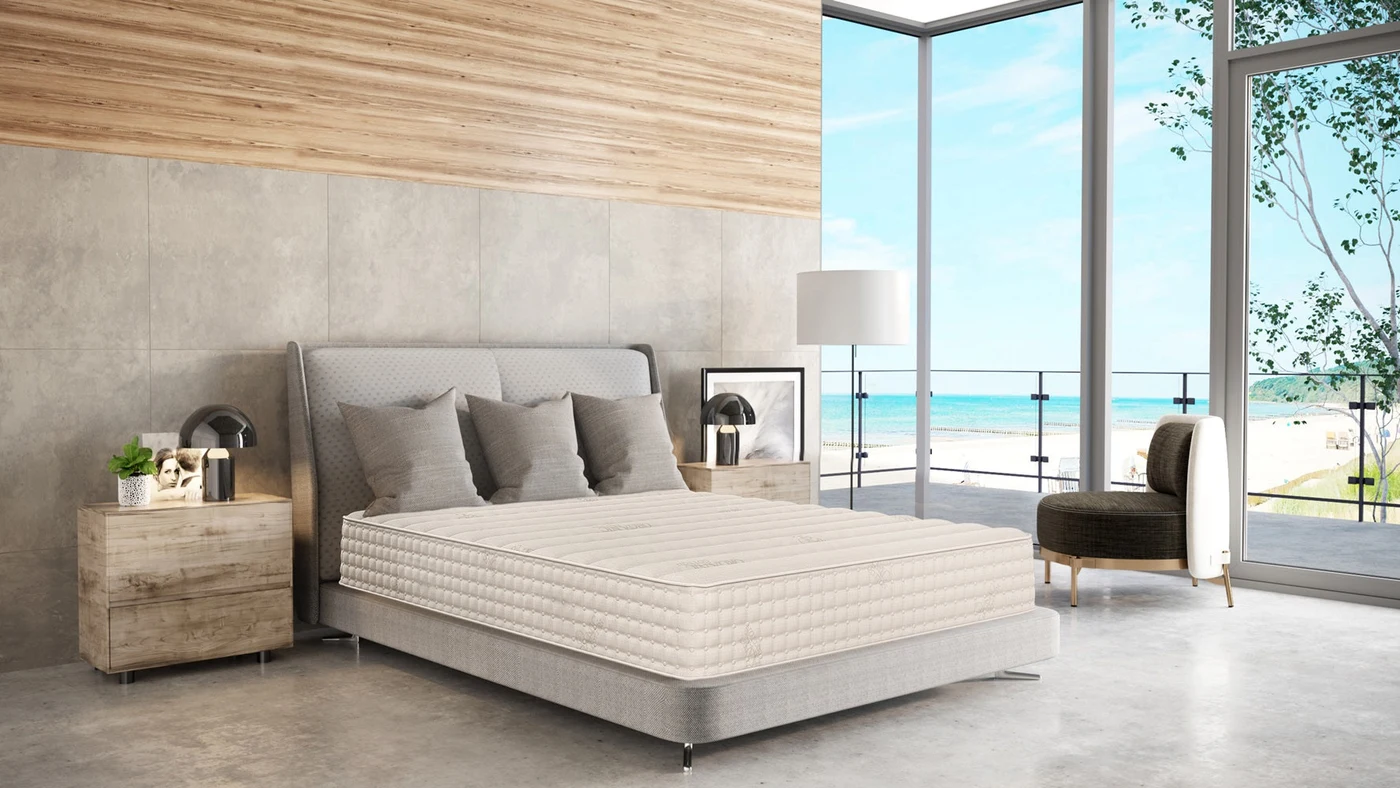
Best for: Side sleepers who want a true soft latex option · Shoppers who want an all latex mattress with no spring unit
Why it stands out: Soft, Medium and Firm order choices let you choose the initial latex feel rather than accept a single fixed option
Keep in mind: The selected 9-inch Queen Soft has less latex depth than the 12-inch profile; compare the exact height and feel rather than treating them as the same offer
Buy with confidence
120-night direct-purchase mattress trial at Latex For Less
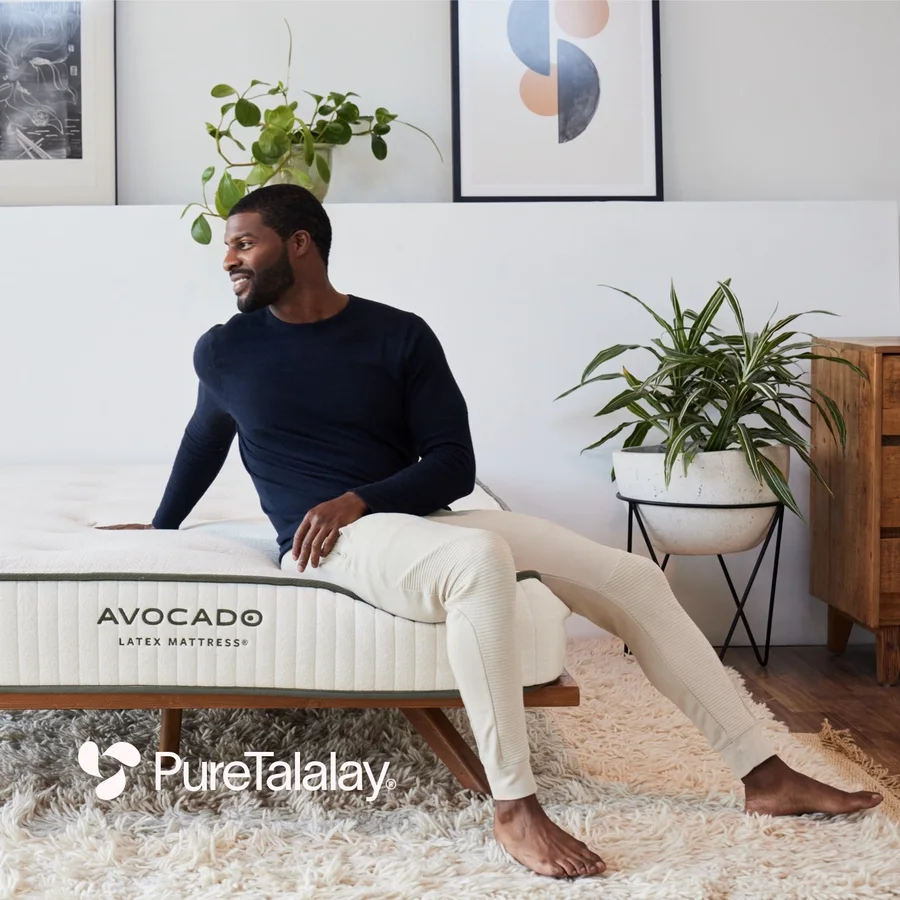
Best for: Spring free shoppers · Latex purists
Why it stands out: The three-inch Dunlop comfort layer and six-inch Talalay support core create a fully latex, coil-free construction rather than a Green-style hybrid
Keep in mind: Without a reinforced coil perimeter, edge stability depends on the latex core and may feel less rigid than Avocado's hybrid borders
Buy with confidence
1-year direct-purchase comfort trial at Avocado
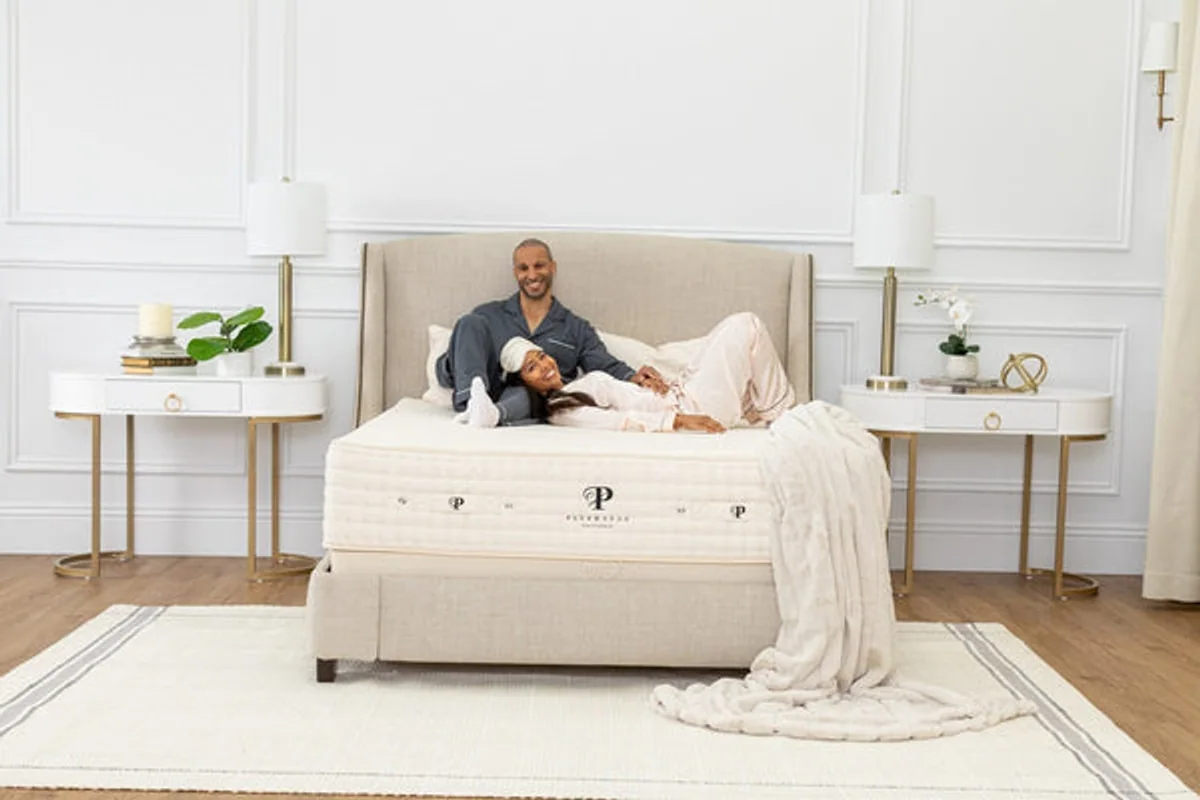
Best for: Vegan and wool free shoppers · Organic material seekers
Why it stands out: The product-specific wool-free, vegan construction offers an alternative to wool-containing latex mattresses
Keep in mind: The selected eight-inch build has less latex depth than the thicker configurations; compare the exact selected recipe
Buy with confidence
100-night comfort trial with a firmness exchange at PlushBeds
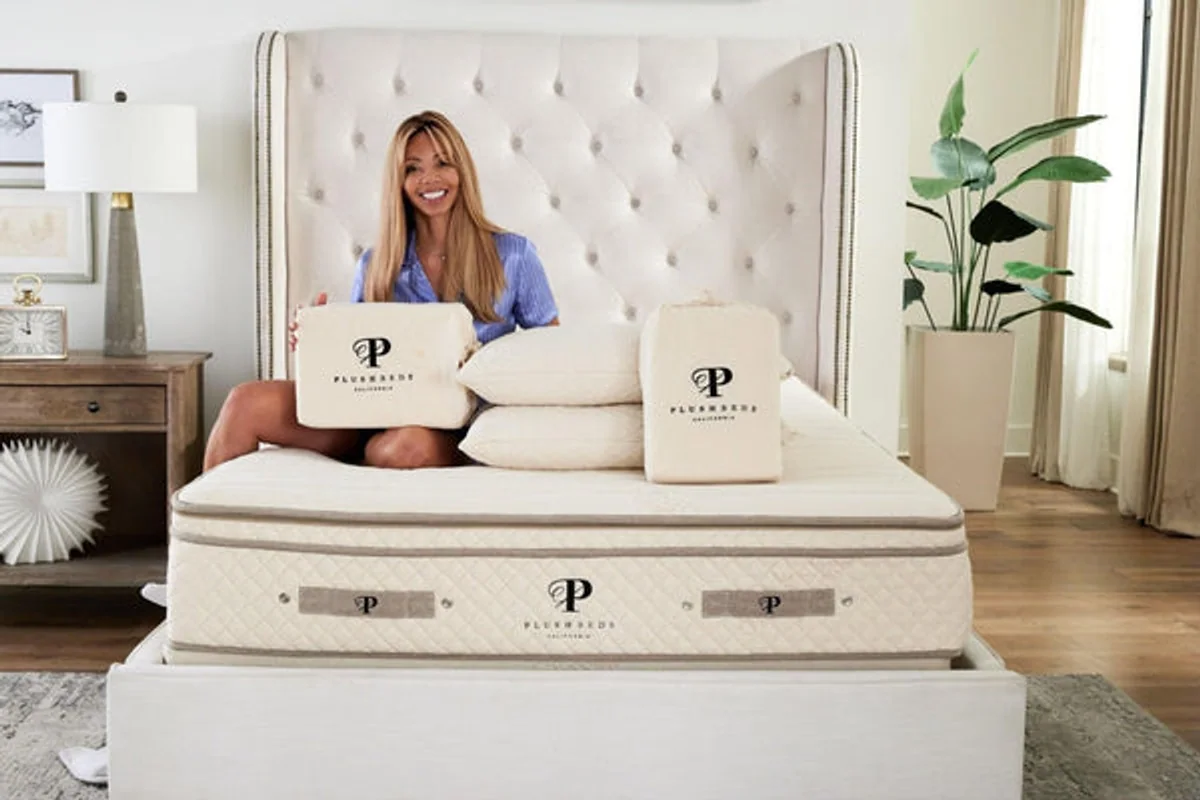
Best for: Latex shoppers · Organic material shoppers
Why it stands out: Three height choices let shoppers trade price and comfort-layer depth without leaving the Botanical Bliss all-latex design; the listed price matrix is specifically for the 10-inch build
Keep in mind: Latex has a springier, faster response than Memory Foam and will not provide the same slow, close contour
Buy with confidence
365-night direct-purchase money-back guarantee at PlushBeds
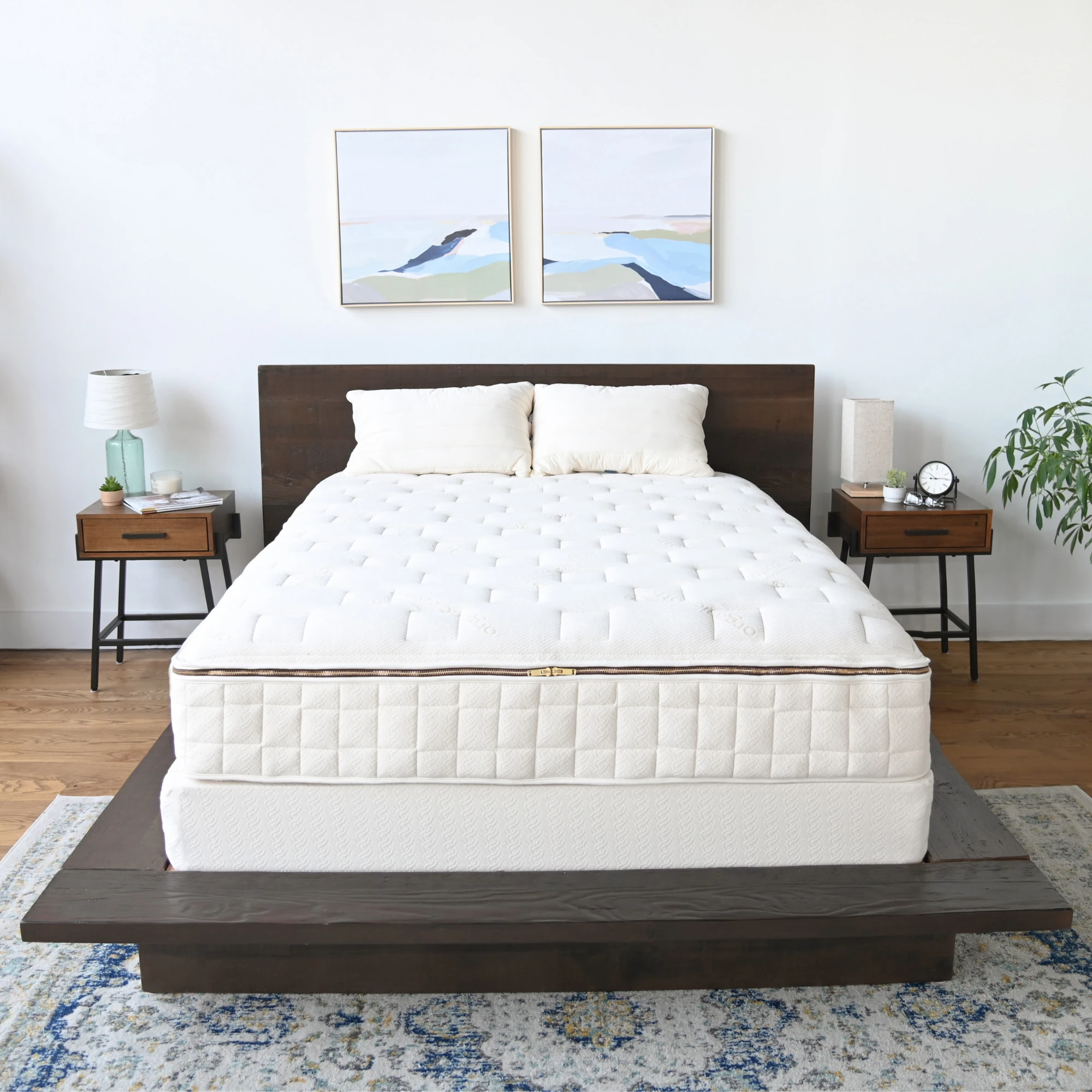
Best for: All latex shoppers · Couples with different firmness preferences
Why it stands out: Three 3-inch GOLS-certified organic latex layers replace a coil support core
Keep in mind: Multiple boxes require component assembly; paid setup is separate and non-refundable
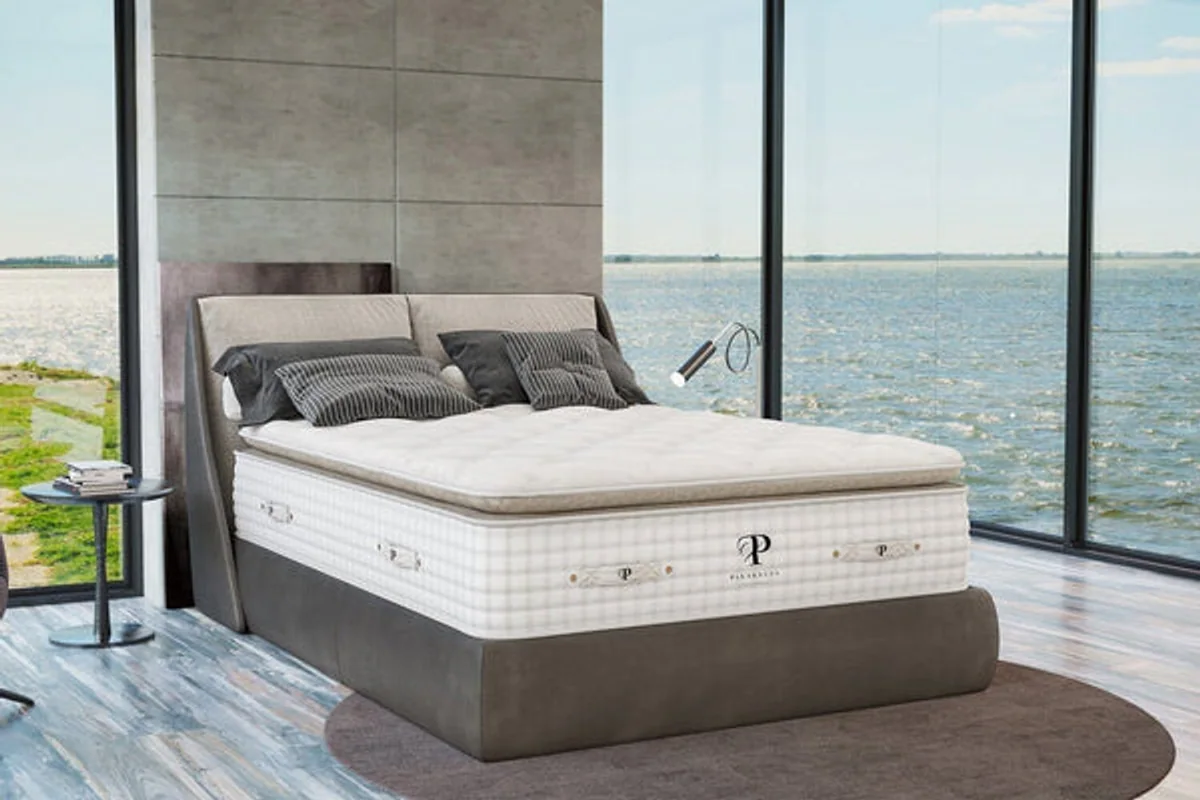
Best for: Side sleepers wanting deep latex cushioning · Organic material shoppers
Why it stands out: The three-inch pillowtop assembly gives shoppers a cushioned latex surface rather than a flat all-latex comfort presentation
Keep in mind: The selected standard Queen Medium does not include the two feels offered in separate split-size dual-firmness configurations
Buy with confidence
365-night direct-purchase money-back guarantee at PlushBeds
Latex Mattress — Frequently Asked Questions
What is the difference between natural and synthetic latex?
Natural latex begins with rubber-tree sap; synthetic latex commonly uses SBR, and blended latex combines natural and synthetic inputs. GOLS can verify organic natural-rubber latex when the exact material or product is within the certificate scope. Natural content alone does not establish firmness, comfort, or durability.
What is the difference between Dunlop and Talalay latex?
Dunlop latex is poured and vulcanized with fewer processing steps, which can leave a denser gradient through the layer. Talalay adds vacuum, freezing, and additional processing for a more consistent cell structure. Both processes can produce several firmnesses, so compare the exact ILD or seller feel description rather than assuming Dunlop is always firm and Talalay is always soft.
Can a latex mattress help with back discomfort?
A latex mattress can offer responsive support, but the useful question is whether the exact firmness and layer design keep your body comfortably supported. Back discomfort has many causes; no latex category or firmness guarantees relief. Use the trial period and consult a clinician for persistent or severe symptoms.
Do latex mattresses sleep hot?
Latex usually responds faster and may retain less close-contact heat than slow-response memory foam. Perforations, the cover, wool or fiber layers, mattress protector, bedding, room temperature, and body contact all affect the result. A latex label alone does not prove a cool sleep surface.
How long do latex mattresses last?
Quality latex can be durable, but there is no universal 15- or 25-year result. Natural content, synthetic blend, layer thickness, firmness, body load, foundation, rotation, and the rest of the construction affect useful life. Compare warranty exclusions with the actual layer specifications.