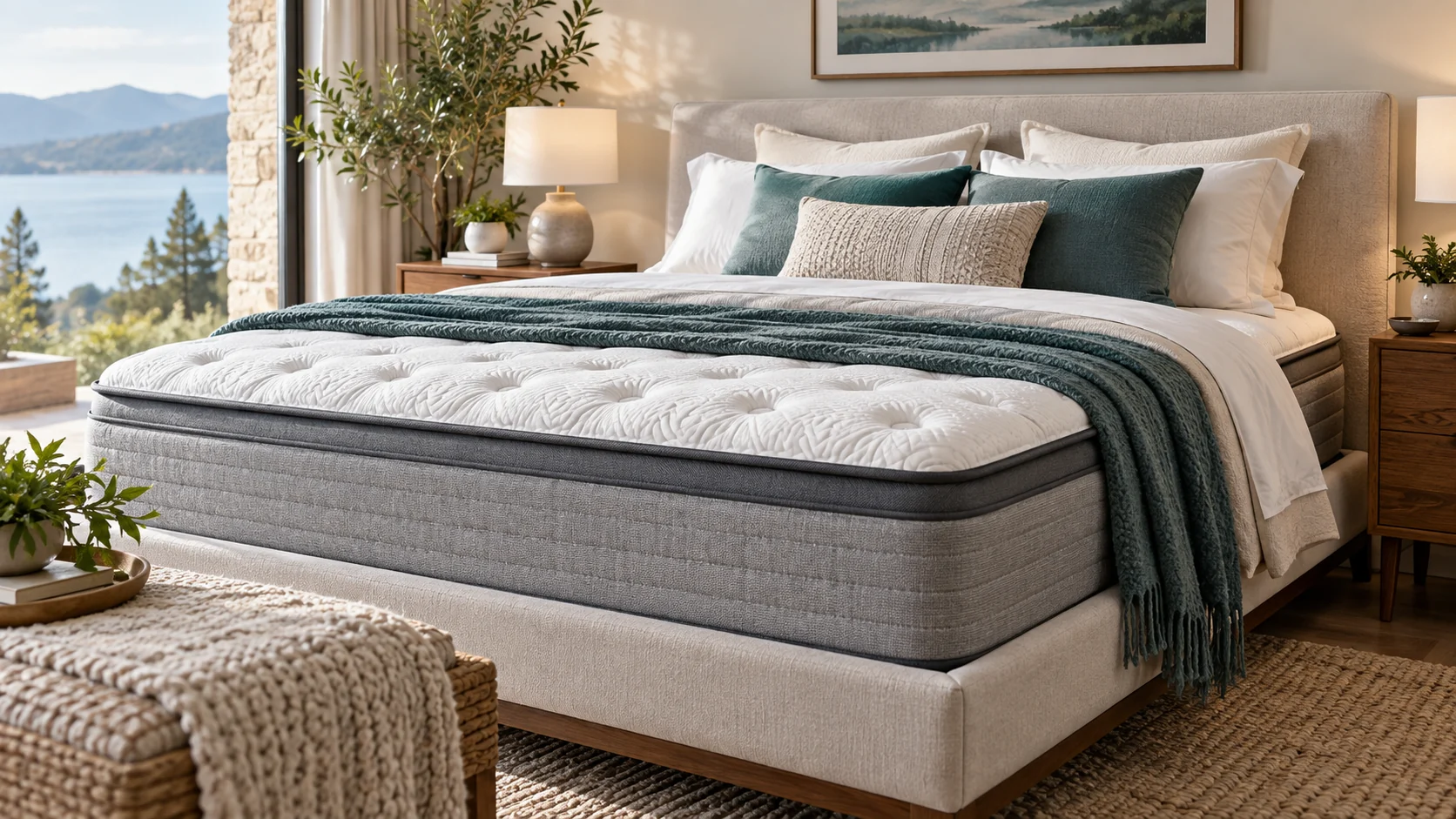
Best Mattresses for Kids
A child's first regular mattress should fit the child, the bed, and the number of years the family expects to use it. We rank purpose-built youth mattresses first, then practical adult-size options, using verified materials, age-appropriate firmness, durability, and price. This page covers big-kid beds after the crib stage; infants need a firm, flat crib mattress that fits the crib exactly.
What to Look For
Materials and Certifications
Use specific certifications to compare what was actually evaluated. GREENGUARD Gold addresses chemical emissions, CertiPUR-US applies to covered polyurethane foam, and GOTS or GOLS applies to certified organic textile or latex scope. Confirm the exact model and covered materials rather than treating one badge as whole-mattress certification.
Firmness by Age
Infants and toddlers need firm, flat surfaces (never soft foam). School-age children (5–12) do well with medium-firm to medium. Teenagers can follow adult recommendations based on their sleep position.
Durability and Cleanup
Movement, spills, and frequent cleaning put extra demands on a child's bed. A supportive coil or durable foam core, a washable cover when available, and a correctly fitted protector help the mattress remain useful through the intended age range.
Size Progression
Consider the child's growth timeline. A Twin XL is often a better long-term investment than a Twin for older children, as it doesn't require replacement due to length as the child grows.
Features to Prioritize
- ✓Clearly disclosed materials and relevant third-party certifications
- ✓Medium-firm construction for school-age children (5–12)
- ✓A durable support core and age-appropriate weight capacity
- ✓Washable or stain-resistant cover for accidents
- ✓Waterproof mattress protector (essential, not optional)
Features to Avoid
- ✗Soft or ultra-plush foam for young children
- ✗Uncertified foams with strong new-mattress odors
- ✗Thin foam mattresses prone to premature sagging
- ✗Overly expensive adult-tier mattresses for rapidly growing kids
Our Top Picks for Kids
Ranked by a weighted score based on the factors that matter most for kids.
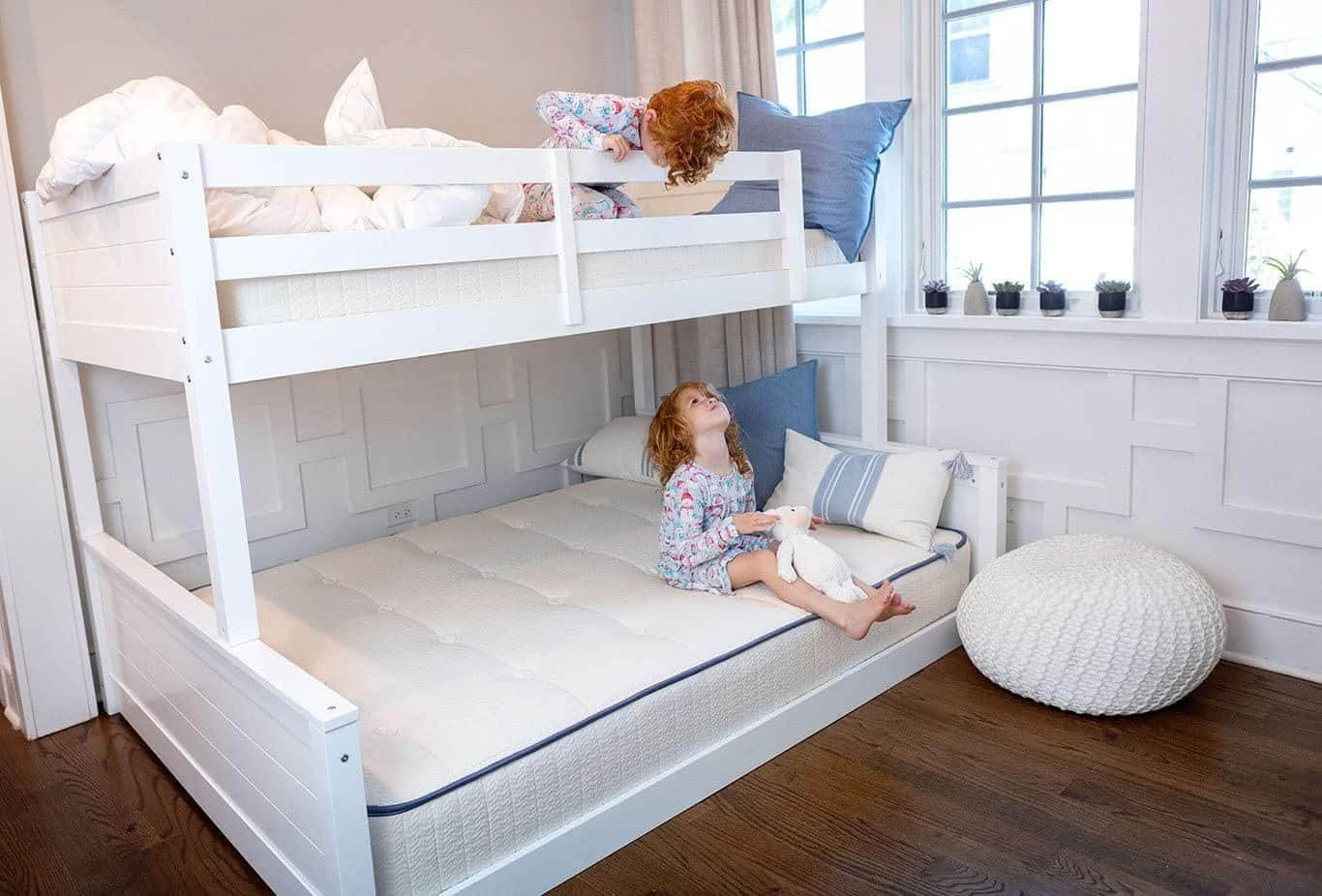
Best for: Kids · Bunk beds
Why it stands out: A 1.25-inch organic Dunlop latex layer preserves responsive cushioning without Kiwi's deeper comfort package
Keep in mind: The shallower latex layer may not provide the cushioning depth an adult wants; this current model contains latex and is not the retired latex-free Pure Echo
Buy with confidence
365-night risk-free comfort trial at My Green Mattress
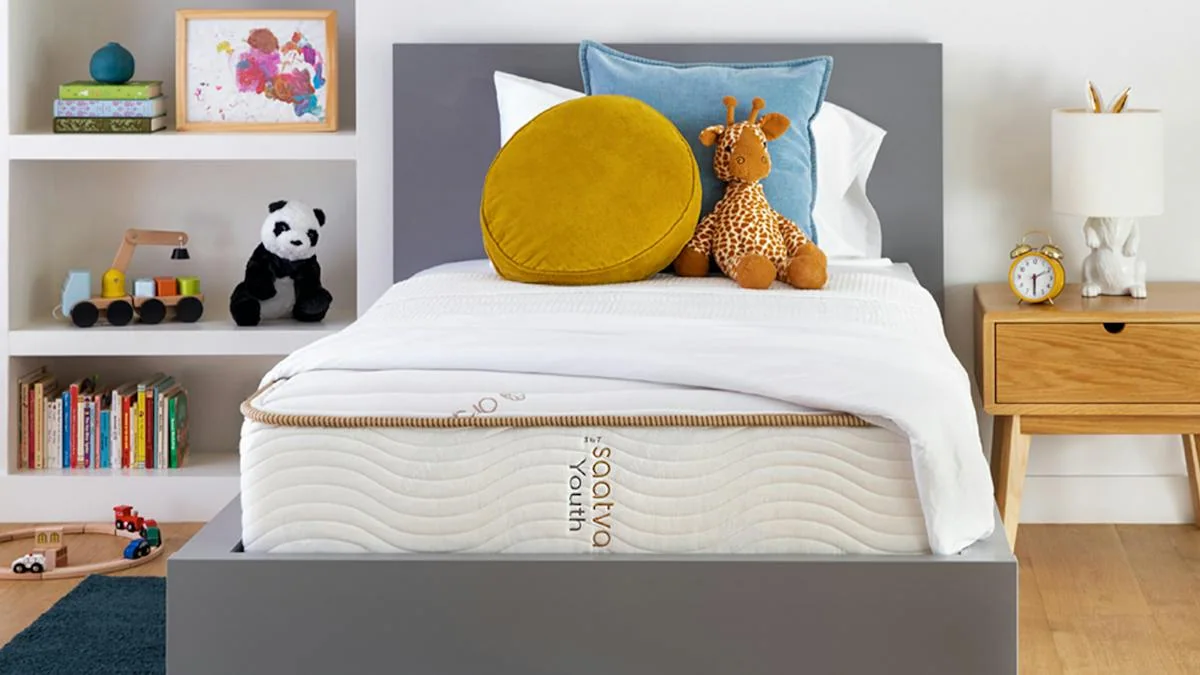
Best for: Children ages 3 12 · Families wanting a flippable growth stage design
Why it stands out: Two age-specific comfort surfaces
Keep in mind: Queen, King, and Cal King are not offered
Buy with confidence
365-night direct-purchase comfort trial at Saatva
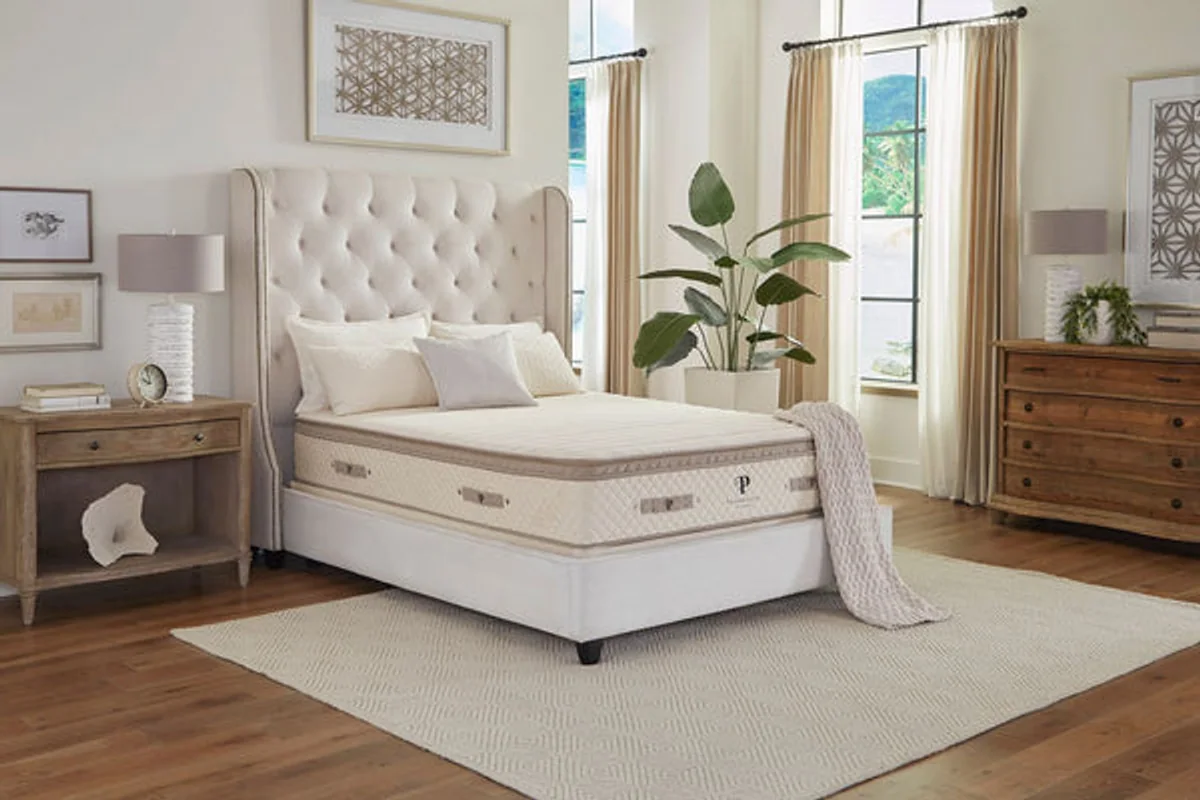
Best for: Latex hybrid shoppers · Side sleepers choosing Medium
Why it stands out: At the checked Queen prices, Luxury Bliss costs $950 less than the 10-inch Botanical Bliss while adding a fabric-encased coil support system
Keep in mind: The product page conflicts with itself: the primary table lists 2 inches of Arpico organic latex over 9-inch coils, while a lower legacy block says 3 inches of natural Talalay latex over 8-inch coils; confirm the current build before ordering
Buy with confidence
365-night direct-purchase money-back guarantee at PlushBeds
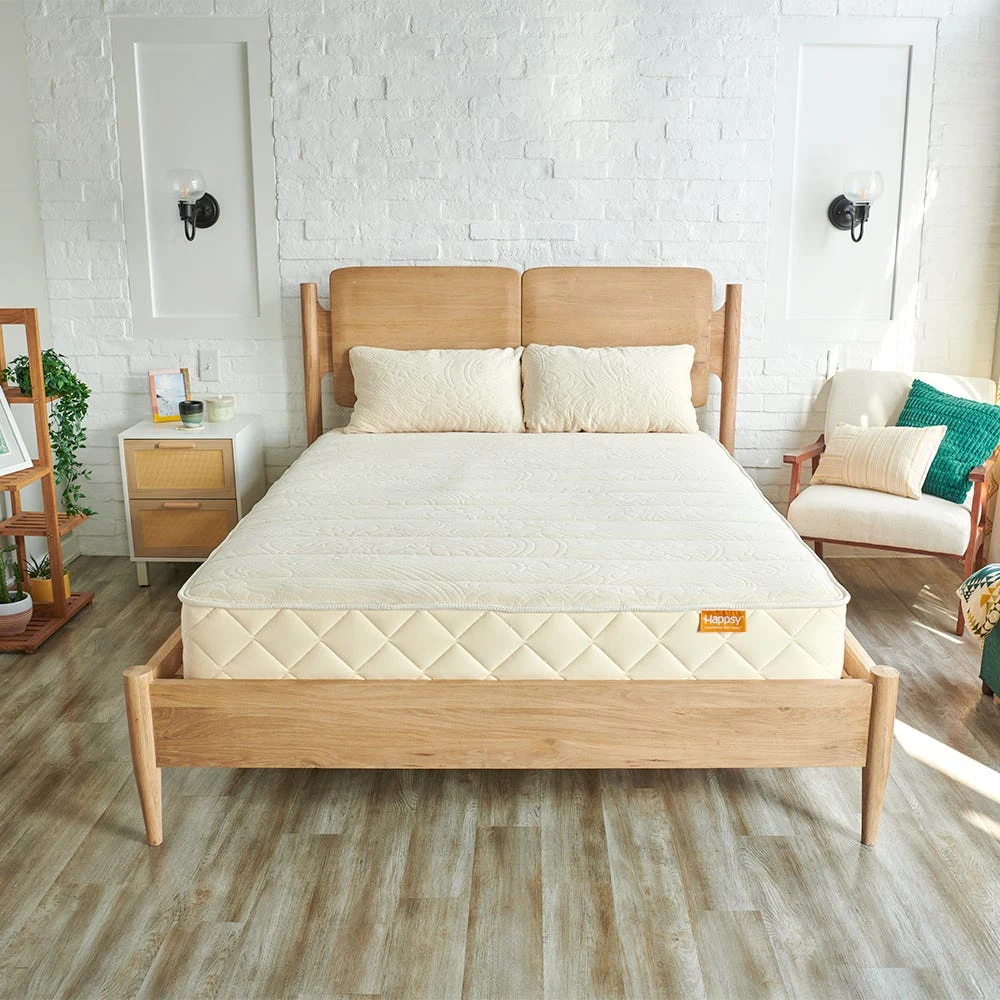
Best for: Back sleepers · Combination sleepers
Why it stands out: Medium-Firm and Plush use the same named material family; the practical difference is coil tuning, so choose Medium-Firm for stronger lift or Plush for softer shoulder-and-hip contour rather than treating Plush as a material upgrade
Keep in mind: The current product page does not publish the mattress latex thickness, coil count, or exact steel gauges and turns, so those specifications cannot be compared precisely
Buy with confidence
120-night Happsy comfort guarantee with free eligible returns at Happsy
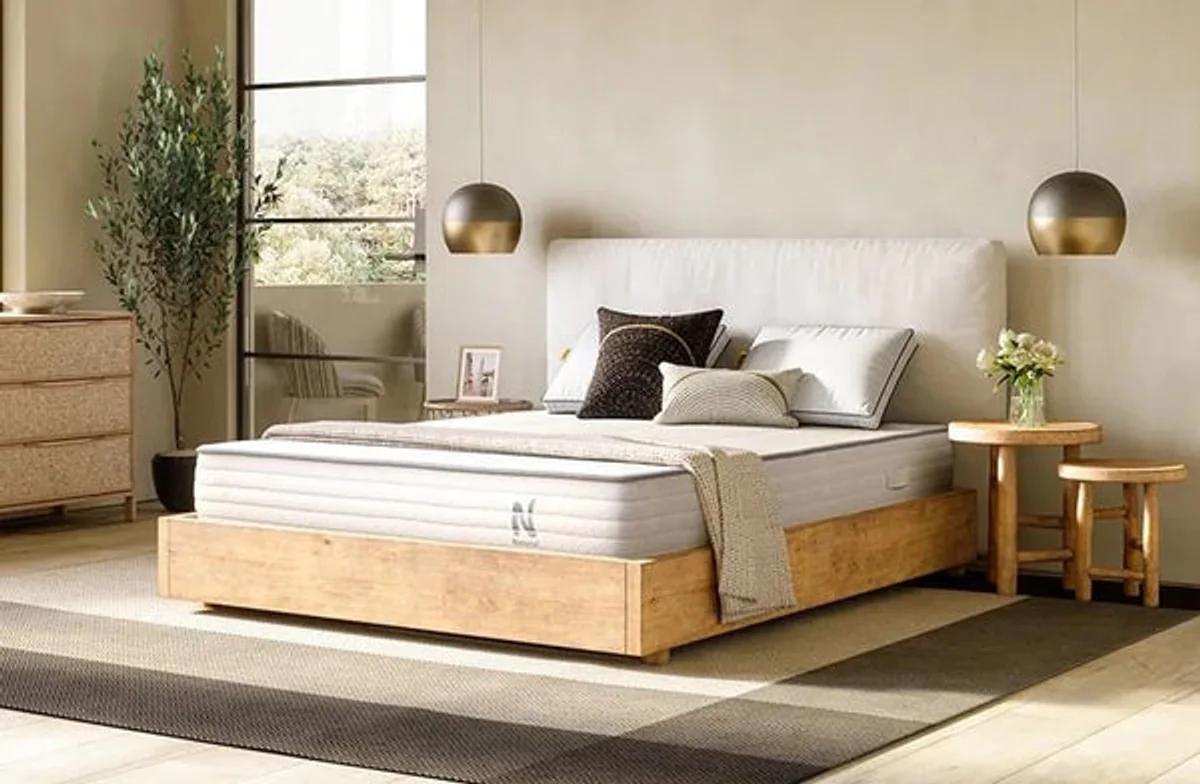
Best for: Latex shoppers · Organic minded buyers
Why it stands out: Organic latex comfort and support layers
Buy with confidence
120-night Nolah comfort trial at Nolah
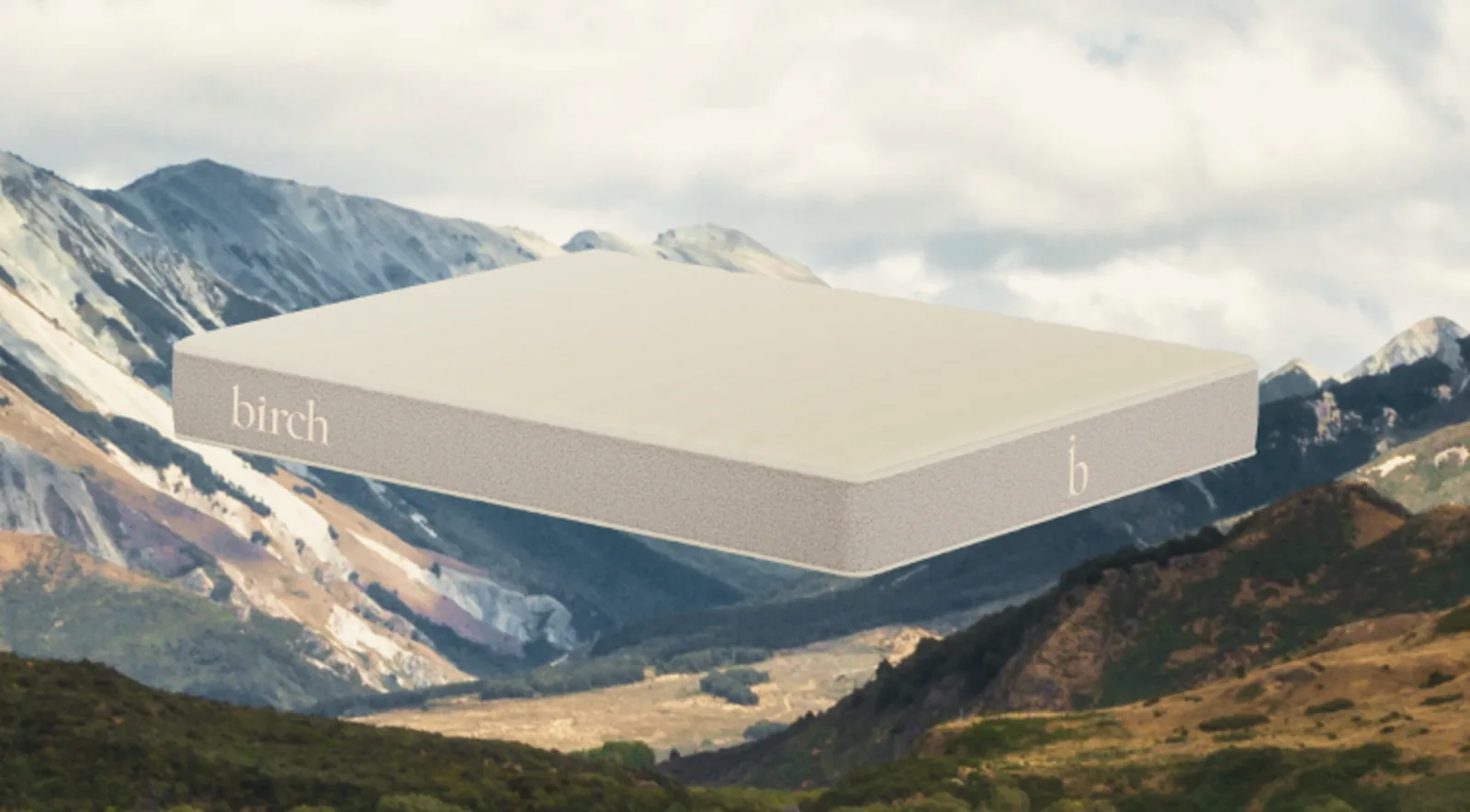
Best for: Combination sleepers · Back sleepers
Why it stands out: Responsive organic latex cushions without a slow memory-foam hug
Keep in mind: One medium-firm feel and one 10-inch height
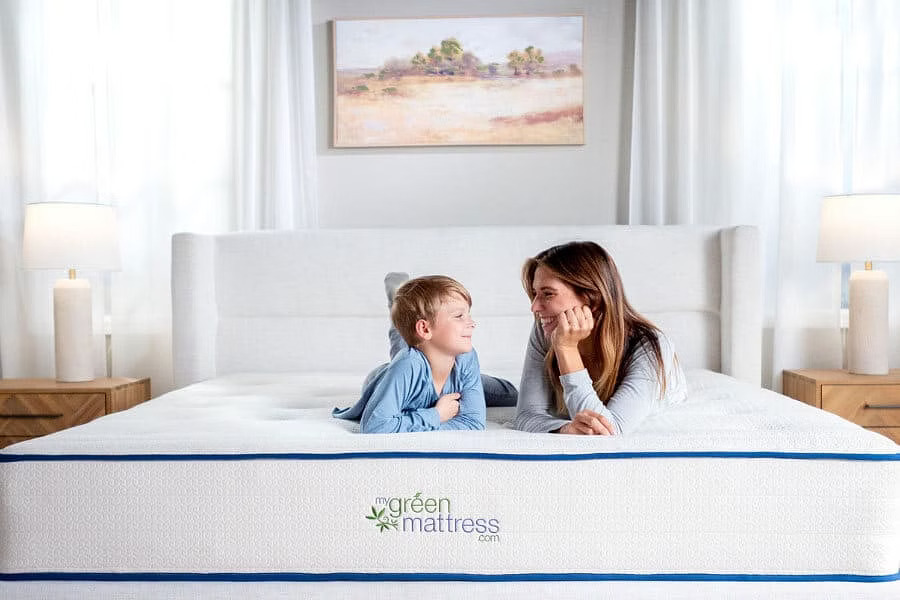
Best for: Organic materials · Value shoppers
Why it stands out: Two inches of organic Dunlop latex provide 0.75 inch more cushioning depth than Pure Eco's latex layer
Keep in mind: Latex and wool are present; the organic materials do not make the mattress allergy-free or suitable for everyone
Buy with confidence
365-night risk-free comfort trial at My Green Mattress
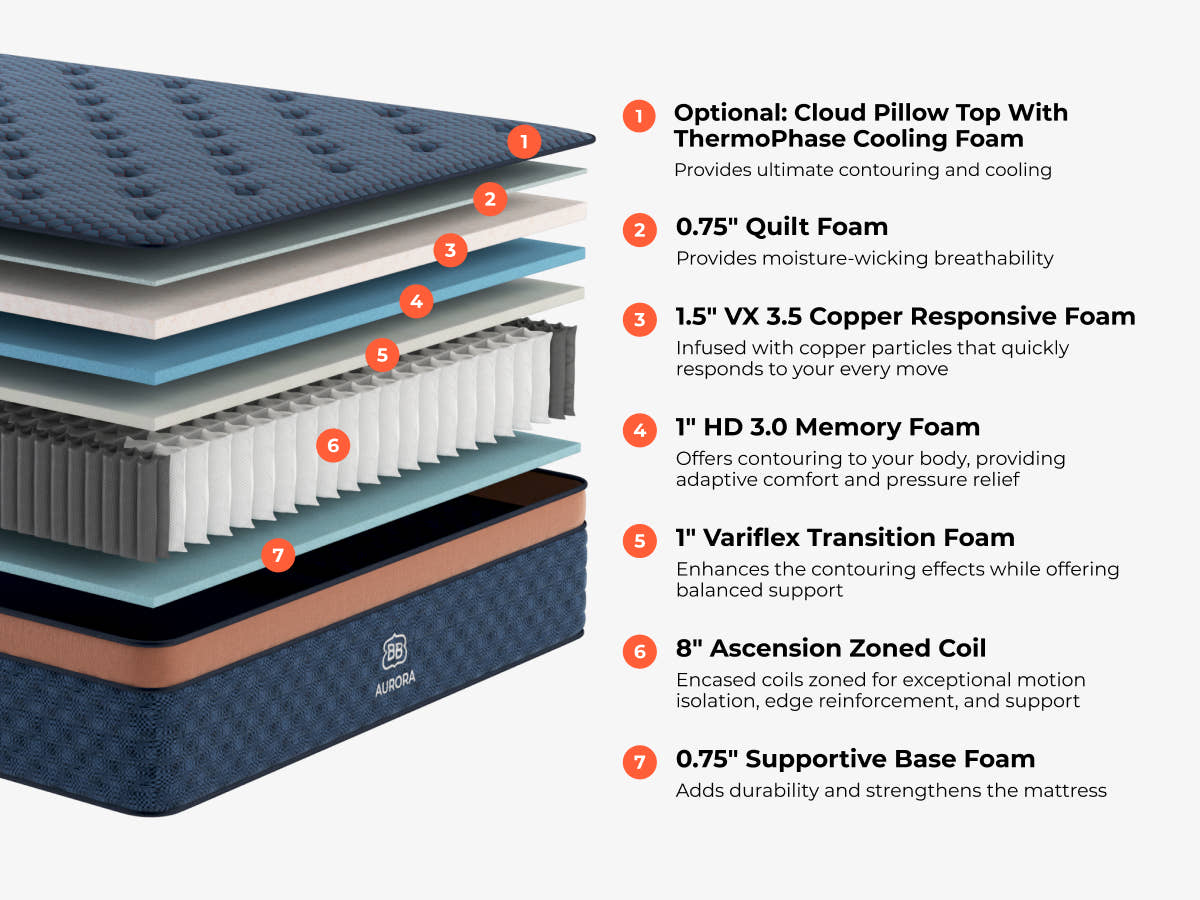
Best for: Hot sleepers · Shoppers who want a choice of firmness
Why it stands out: Phase-change cover and cooling foams
Keep in mind: The cool-to-the-touch surface does not guarantee a cool night for every sleeper
Buy with confidence
120-night Brooklyn Bedding comfort trial at Brooklyn Bedding
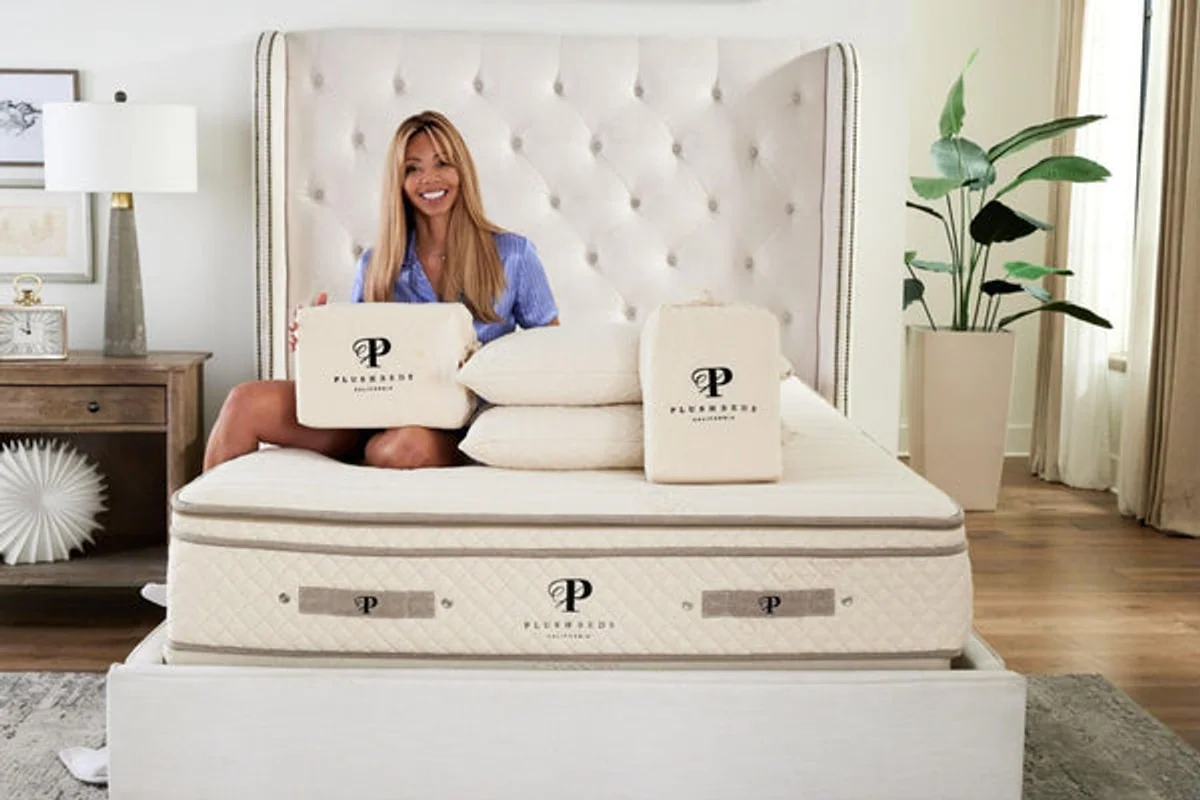
Best for: Latex shoppers · Organic material shoppers
Why it stands out: Three height choices let shoppers trade price and comfort-layer depth without leaving the Botanical Bliss all-latex design; the listed price matrix is specifically for the 10-inch build
Keep in mind: Latex has a springier, faster response than Memory Foam and will not provide the same slow, close contour
Buy with confidence
365-night direct-purchase money-back guarantee at PlushBeds
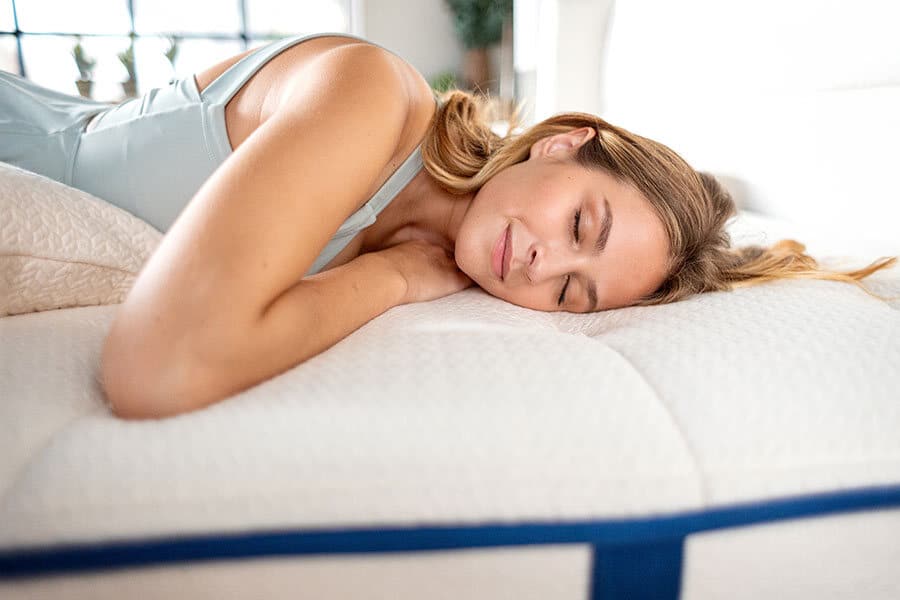
My Green Mattress Natural Escape Organic Mattress
Best for: Adults · Couples
Why it stands out: Three inches of D65, 22–24 ILD Dunlop latex give an adult shoulder and hip more material to compress before reaching the support unit while retaining latex's faster response
Keep in mind: The published 7.5–8 out of 10 feel is on the firmer side; strict side sleepers seeking a plush surface may need the separate two-inch topper or a softer mattress
Buy with confidence
365-night risk-free comfort trial at My Green Mattress
Best Mattresses for Kids — Frequently Asked Questions
What mattress firmness is right for my child?
Infants: firm (never soft — CPSC requires firm surfaces for infant safe sleep). Toddlers (2–5): firm to medium-firm. School age (5–12): medium-firm to medium. Teenagers: follow adult recommendations based on sleep position and preferences.
Is an organic mattress necessary for a child?
No. Organic materials are one valid preference, but a conventional mattress with clearly disclosed materials and relevant emissions or foam certifications can also be a strong choice. Compare the exact scope of GREENGUARD Gold, CertiPUR-US, GOTS, or GOLS claims and spend for benefits your family values.
When should I upgrade my child from a crib mattress to a regular mattress?
Most children transition to a regular mattress between ages 2–3, when they move from a crib to a toddler or twin bed. The exact timing depends on the child's size, whether they're climbing out of the crib, and readiness. Twin mattresses are standard for children's first 'big kid bed.'
How long do kids' mattresses last?
Kids' mattresses typically last 5–8 years under normal use. Active children (jumping, etc.) compress foam faster. Many parents replace children's mattresses when the child enters a new growth stage or when the current mattress shows sagging or loss of support.
Do I need a special pillow for my child?
Children under 2 should use no pillow. Children 2–4 should use a thin, flat pillow. School-age children (5+) can use standard children's pillows (smaller, softer loft than adult pillows). Never use adult memory foam pillows for young children — they're too heavy and tall for developing necks.