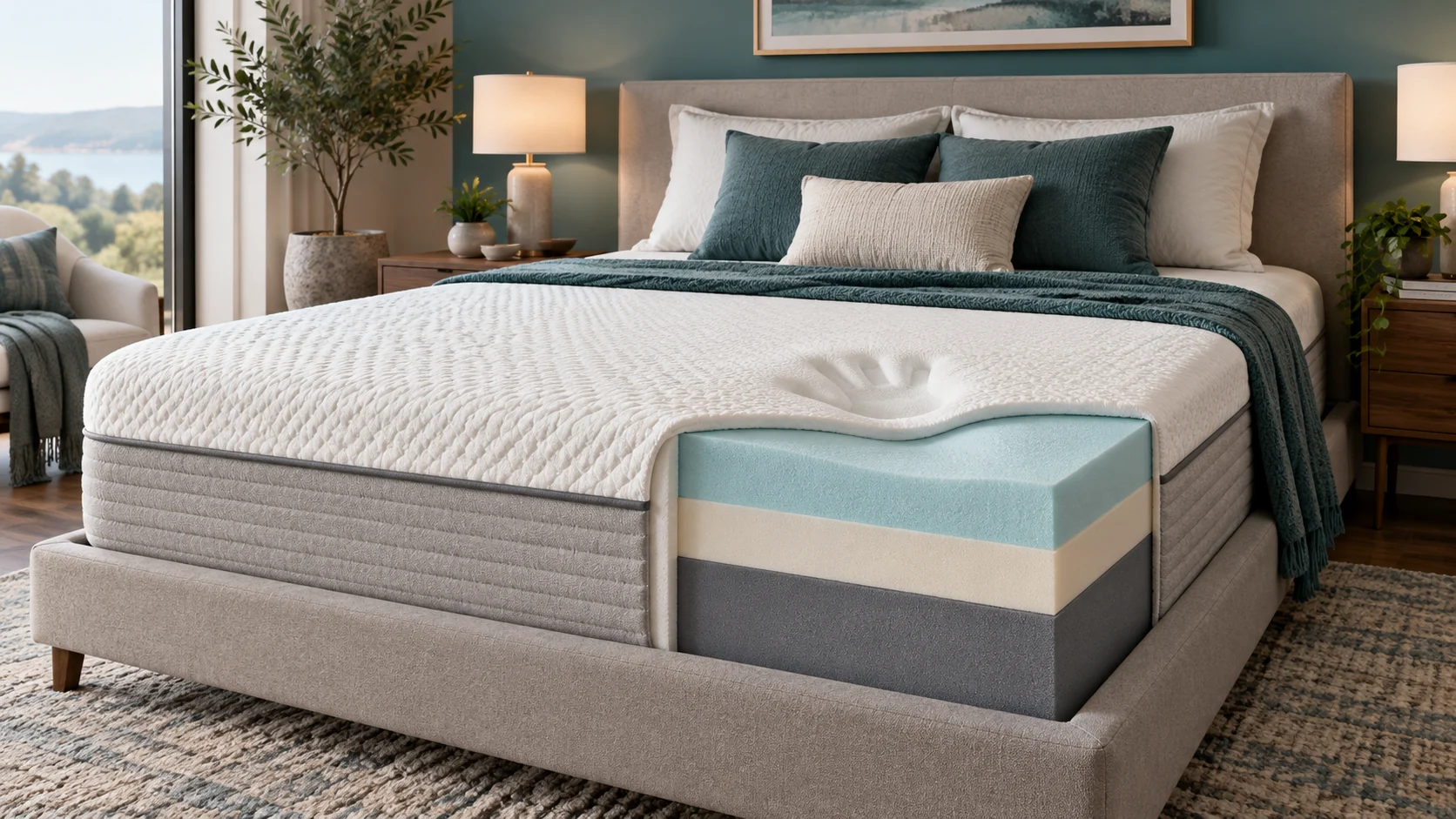
Best Mattresses for Side Sleepers
Side sleeping is the most popular position in the US, but it's also the hardest on mattresses — at least if you choose the wrong one. When you sleep on your side, your shoulder and hip become the primary load-bearing points, and if the mattress is too firm, it pushes back against those joints instead of cradling them. The result: morning shoulder pain, hip stiffness, and pressure-point discomfort that ruins what should be restful sleep.
Sleep Science
From an anatomical perspective, side sleeping places the lateral shoulder at approximately a 90° angle to the mattress surface. An adult shoulder protrudes roughly 4–6 inches wider than the spine, and the hip protrudes 3–5 inches wider. A proper side-sleeping mattress must allow these protruding areas to sink in enough to keep the spine horizontal — without the torso sinking so far that the spine curves laterally. The ideal firmness range for side sleepers is typically medium to medium-soft (4–6.5/10), though lighter individuals can often sleep on firmer surfaces and heavier individuals may need more firmness to prevent over-sinking.
What to Look For
Pressure Relief
The single most important rating for side sleepers. High pressure relief (8+/10) indicates the mattress allows shoulders and hips to sink appropriately without buildup at contact points.
Firmness Range
Target medium to medium-soft (4–6.5/10). Very light sleepers (under 130 lbs) can go softer (3–5/10); heavier side sleepers (over 230 lbs) may need medium-firm (6–7/10) to prevent excessive sinking.
Spinal Alignment
The mattress must maintain horizontal spinal alignment with the head, thoracic spine, and pelvis on the same plane. Too soft causes lateral spinal curve at the torso; too firm lifts the shoulder out of alignment.
Material
Memory foam and soft latex are the traditional go-tos for side sleepers. Gel grid mattresses (Purple) are uniquely effective — the grid eliminates pressure at contact points while providing support elsewhere.
Features to Prioritize
- ✓Pressure relief rating of 7+ (ideally 8+) out of 10
- ✓Medium to medium-soft firmness (4–6.5/10)
- ✓Zoned support that's softer at shoulders and hips
- ✓Memory foam, soft latex, or gel grid construction
- ✓At least 2 inches of quality comfort foam/latex
Features to Avoid
- ✗Firm or extra-firm mattresses (7+/10 firmness)
- ✗Very thin comfort layers (under 2 inches)
- ✗Traditional innerspring with minimal padding
- ✗Budget foam with poor density (under 1.5 lb/ft³)
Our Top Picks for Side Sleepers
Ranked by a weighted score based on the factors that matter most for side sleepers.
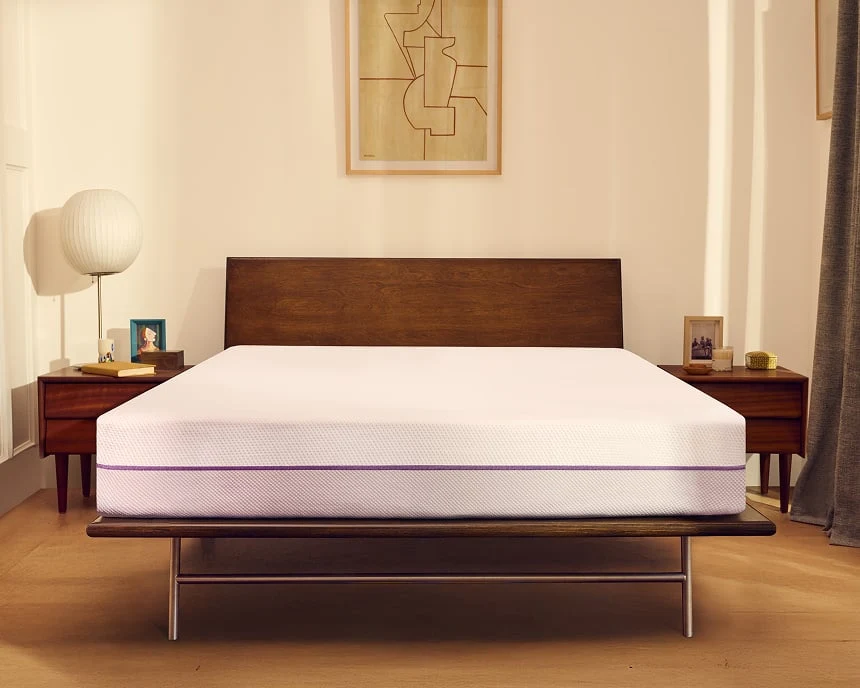
Best for: Stomach sleepers · Back sleepers
Why it stands out: Strong pressure relief for multiple sleep positions
Keep in mind: All-foam support has less coil responsiveness
Buy with confidence
Confirm the current return path for this exact Purple offer at Amazon
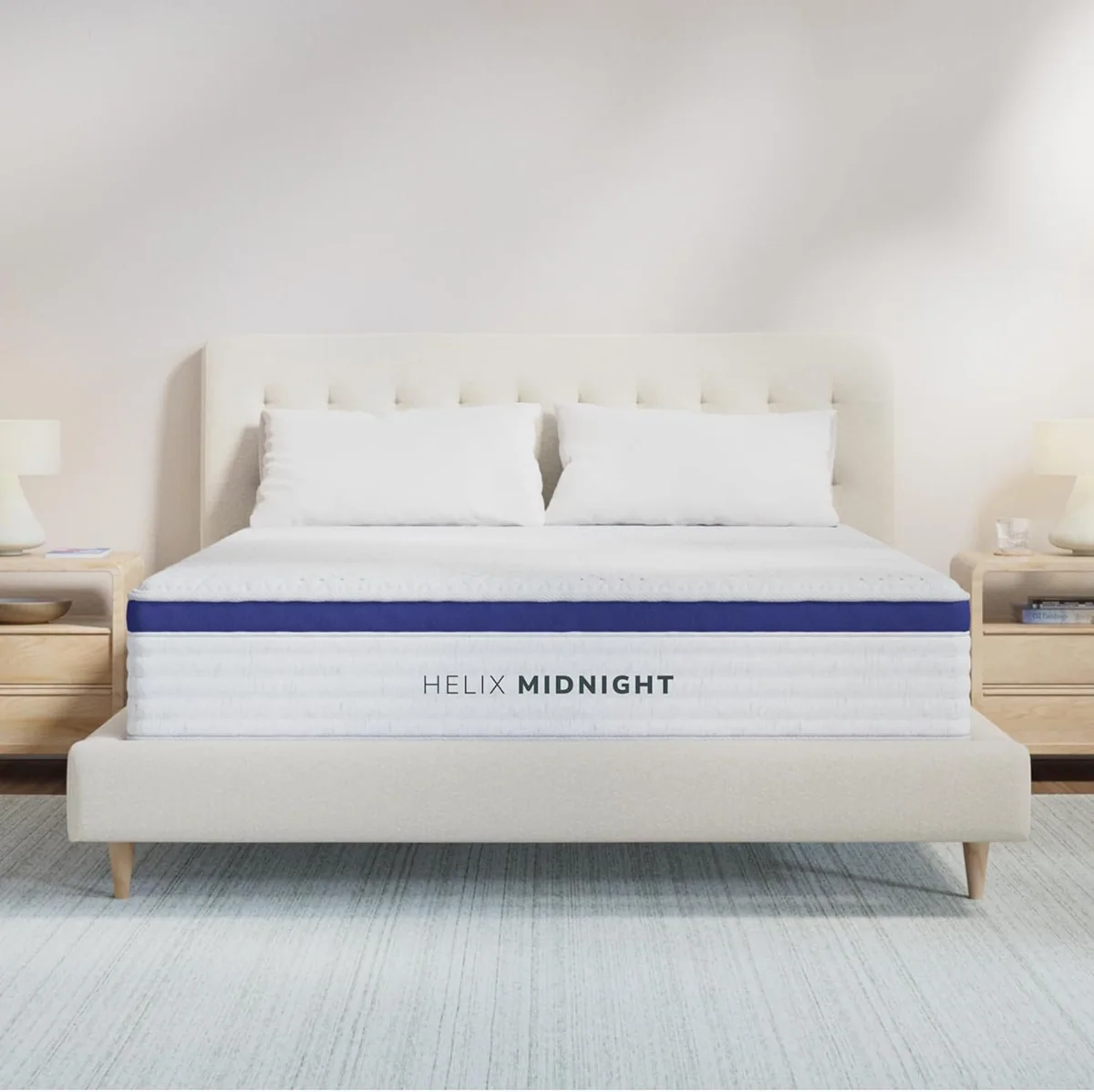
Best for: Shoppers considering a listing described medium memory foam hybrid · Side sleepers using the listing positioning as a starting point, with seller returns reviewed
Why it stands out: Breathe Knit cover and SupremeSupport 2.5 Memory Foam
Keep in mind: Firmness and airflow descriptions do not establish personal comfort or measured cooling performance
Buy with confidence
30-day seller window observed; confirm return eligibility at Amazon
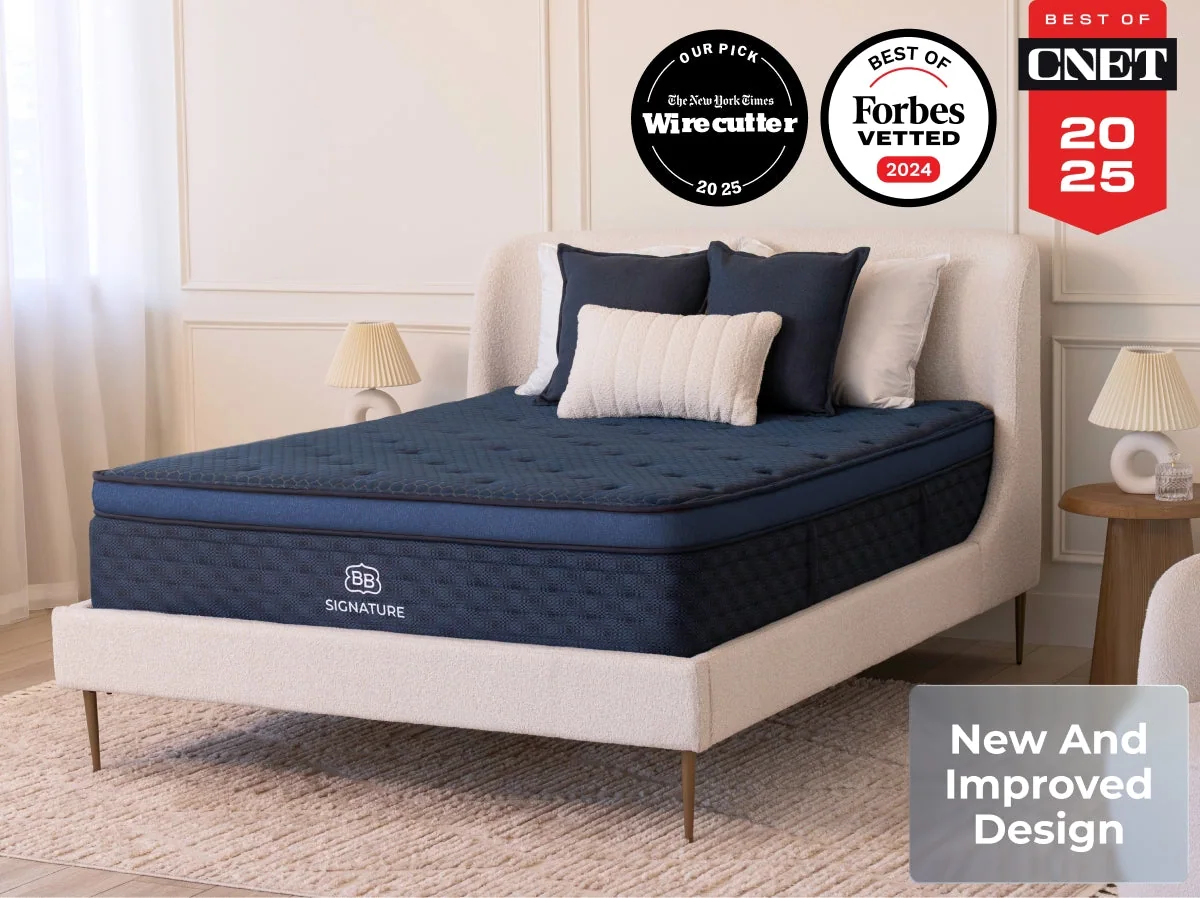
Best for: Value focused hybrid shoppers · Shoppers who want a choice of firmness
Why it stands out: Pocketed-coil support
Keep in mind: The base model and upgraded model share one product page
Buy with confidence
120-night Brooklyn Bedding comfort trial at Brooklyn Bedding
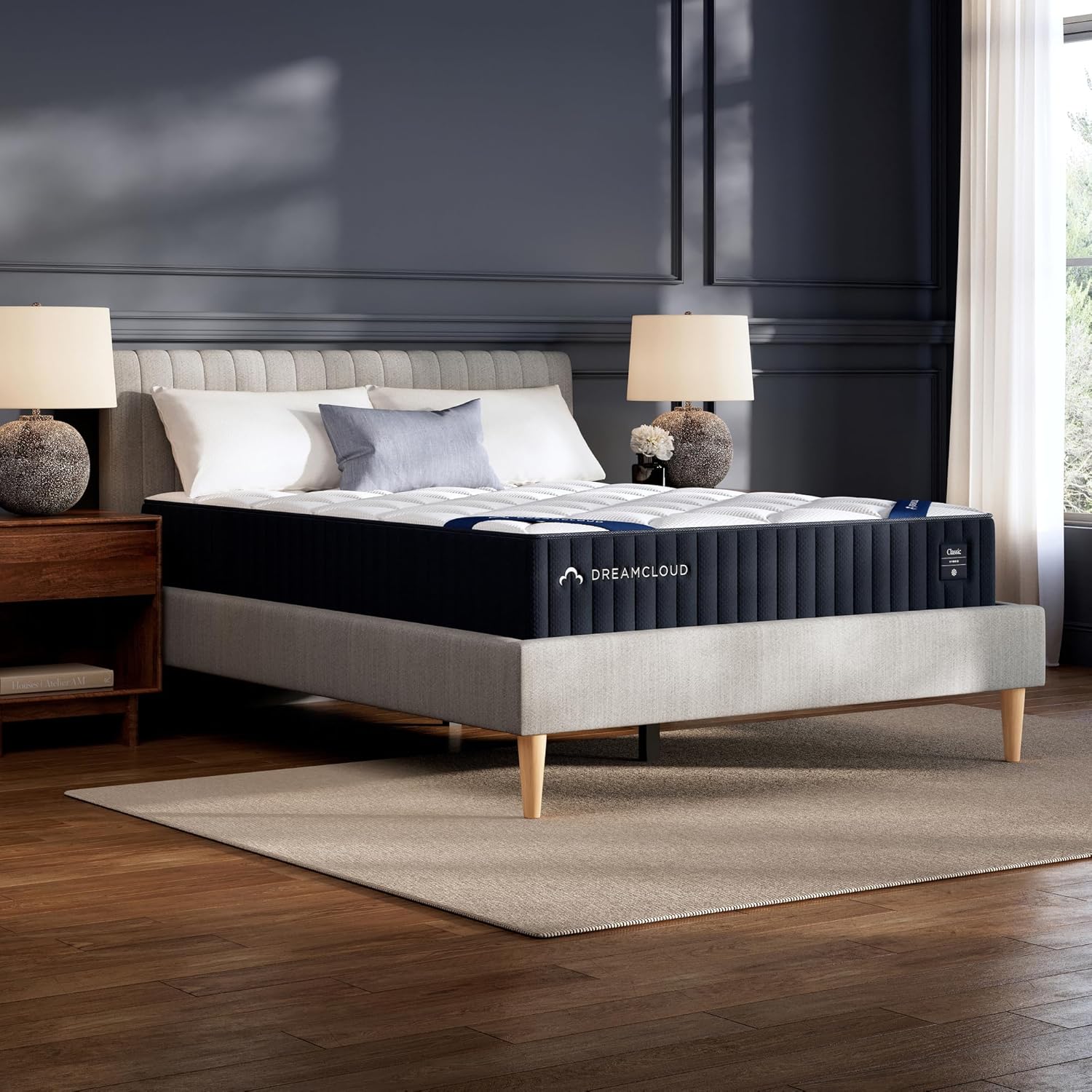
Best for: Shoppers considering a Firm labeled hybrid · Buyers comparing foam and coil construction with an all foam alternative
Why it stands out: Foam-and-coil hybrid identity offers a different construction from Classic Memory Foam
Keep in mind: Firm positioning may not suit shoppers who want a plush surface
Buy with confidence
90-day Amazon return window: confirm the exact Classic model at Amazon

Best for: Medium feel foam shoppers · Couples who prefer less spring response
Why it stands out: Its published 2/2/6-inch foam stack makes the amount of responsive surface foam, contouring Memory Foam, and support foam clear before buying
Keep in mind: A foam support core does not provide Original Hybrid's reinforced steel spring perimeter or its more buoyant movement
Buy with confidence
90-day return window shown for this exact Queen offer at Amazon
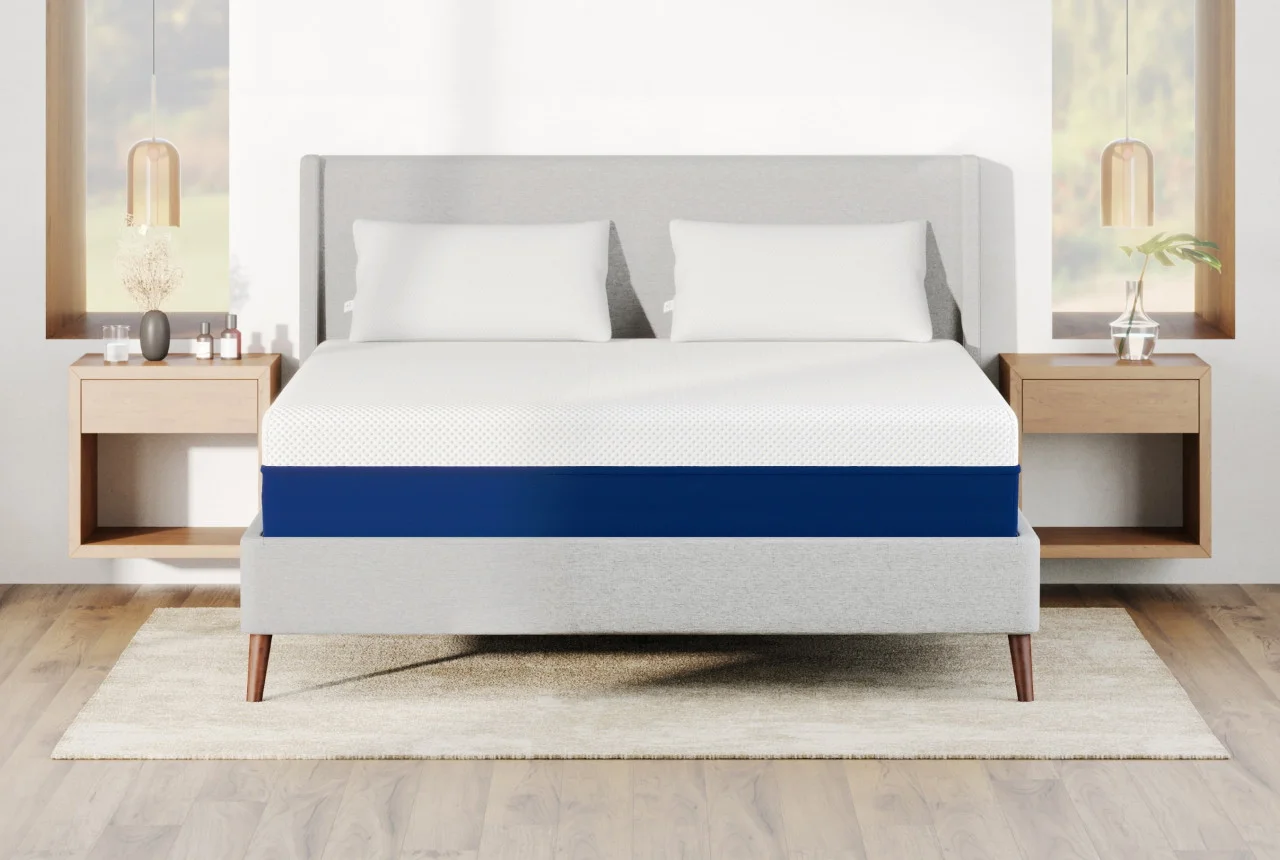
Best for: Back sleepers · Petite stomach sleepers
Why it stands out: The five-zone HIVE transition changes the response beneath different body areas; Amerisleep describes added support under the head, back, and legs with extra cushion under the shoulders and hips
Keep in mind: Most strict side sleepers should compare Medium AS3 or Soft AS5 because Amerisleep chiefly positions Medium-Firm AS2 for back sleepers and petite stomach sleepers
Buy with confidence
100-night risk-free sleep trial at Amerisleep
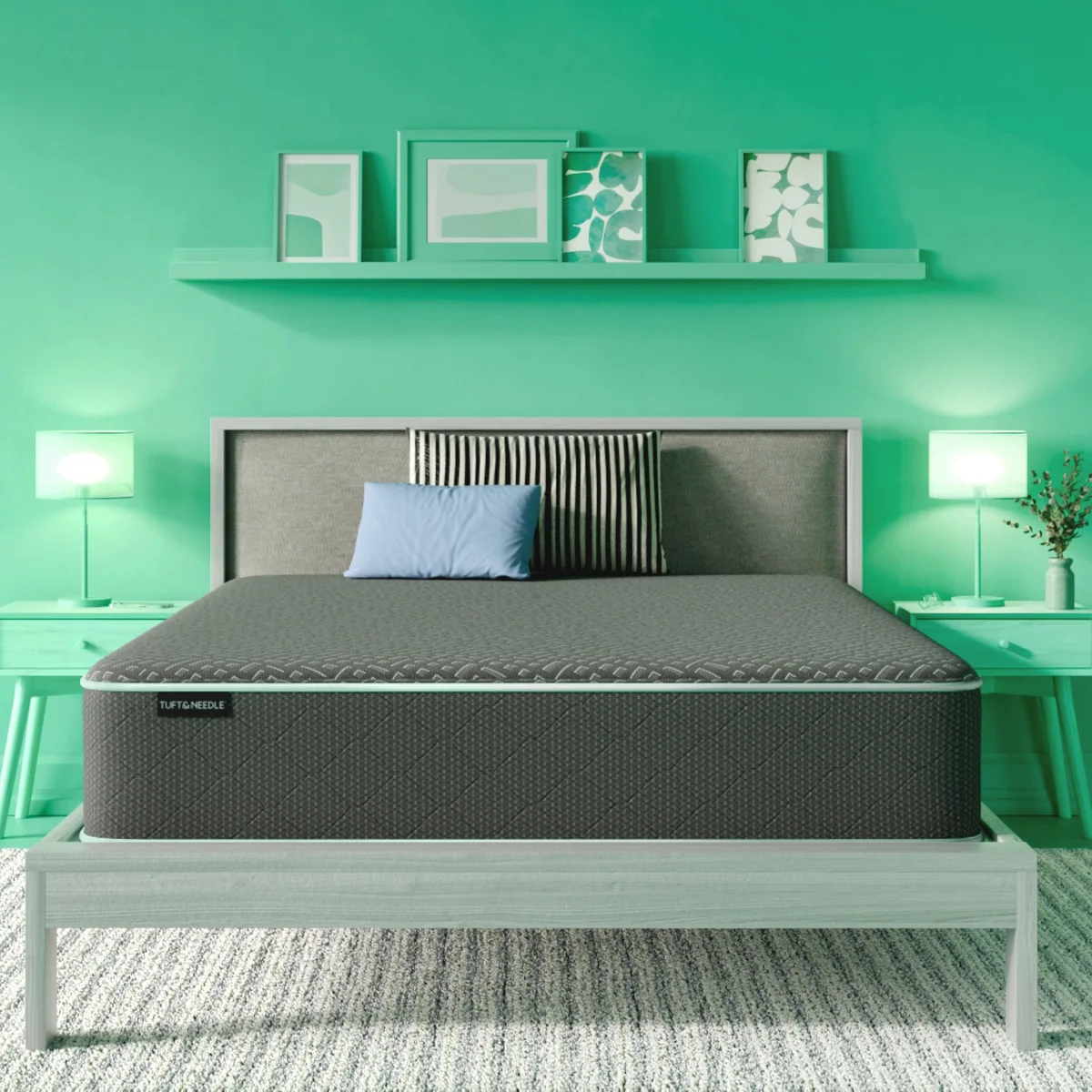
Best for: Back sleepers · Stomach sleepers
Why it stands out: Cooling cover plus graphite-and-gel Adaptive foam
Keep in mind: Firm feel may be less cushioned for some side sleepers
Buy with confidence
100-night direct-purchase comfort trial at Tuft & Needle
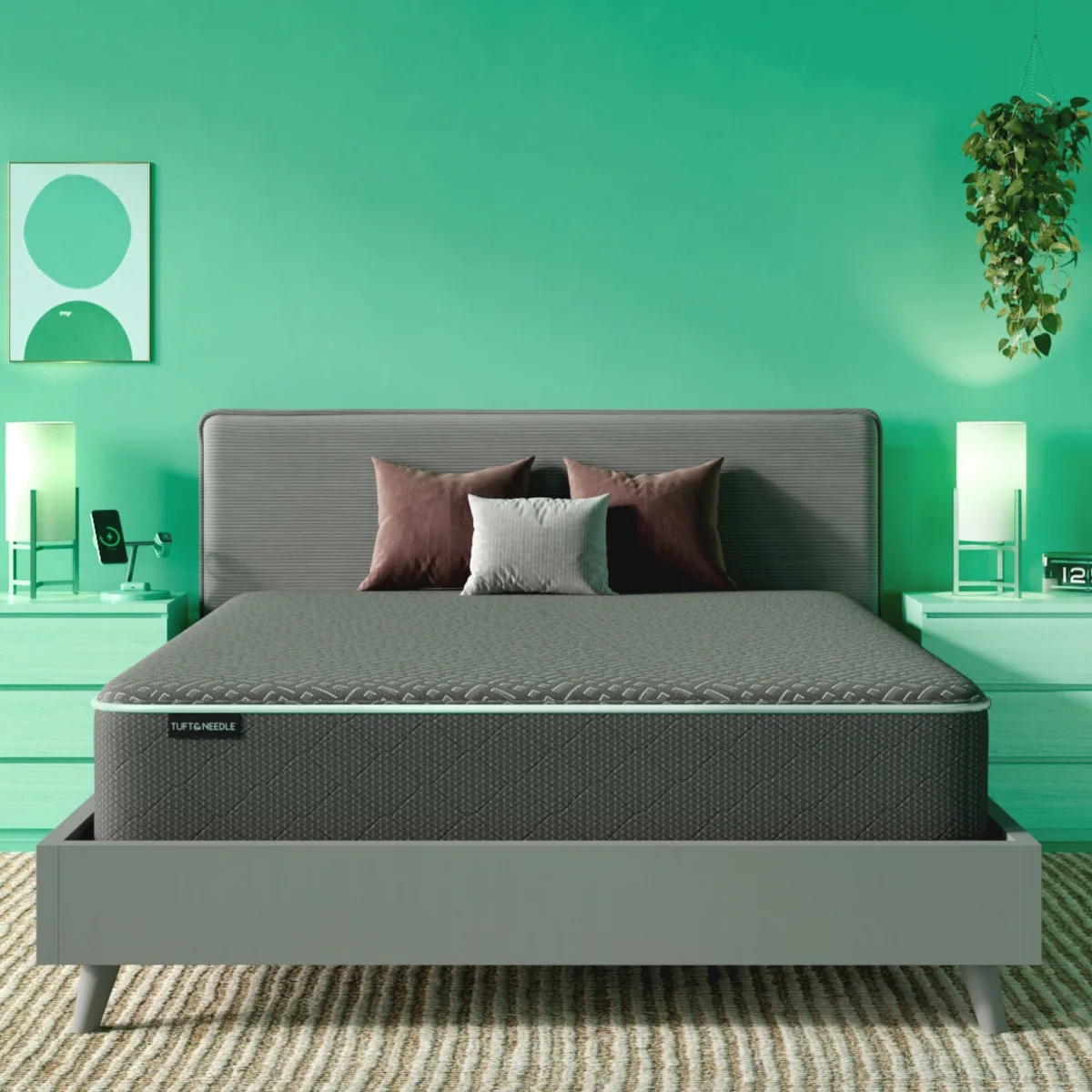
Best for: Side sleepers · Combination sleepers
Why it stands out: Gel Memory Foam adds contouring pressure relief
Keep in mind: All-foam edge support is less reinforced than the hybrid models
Buy with confidence
100-night direct-purchase comfort trial at Tuft & Needle
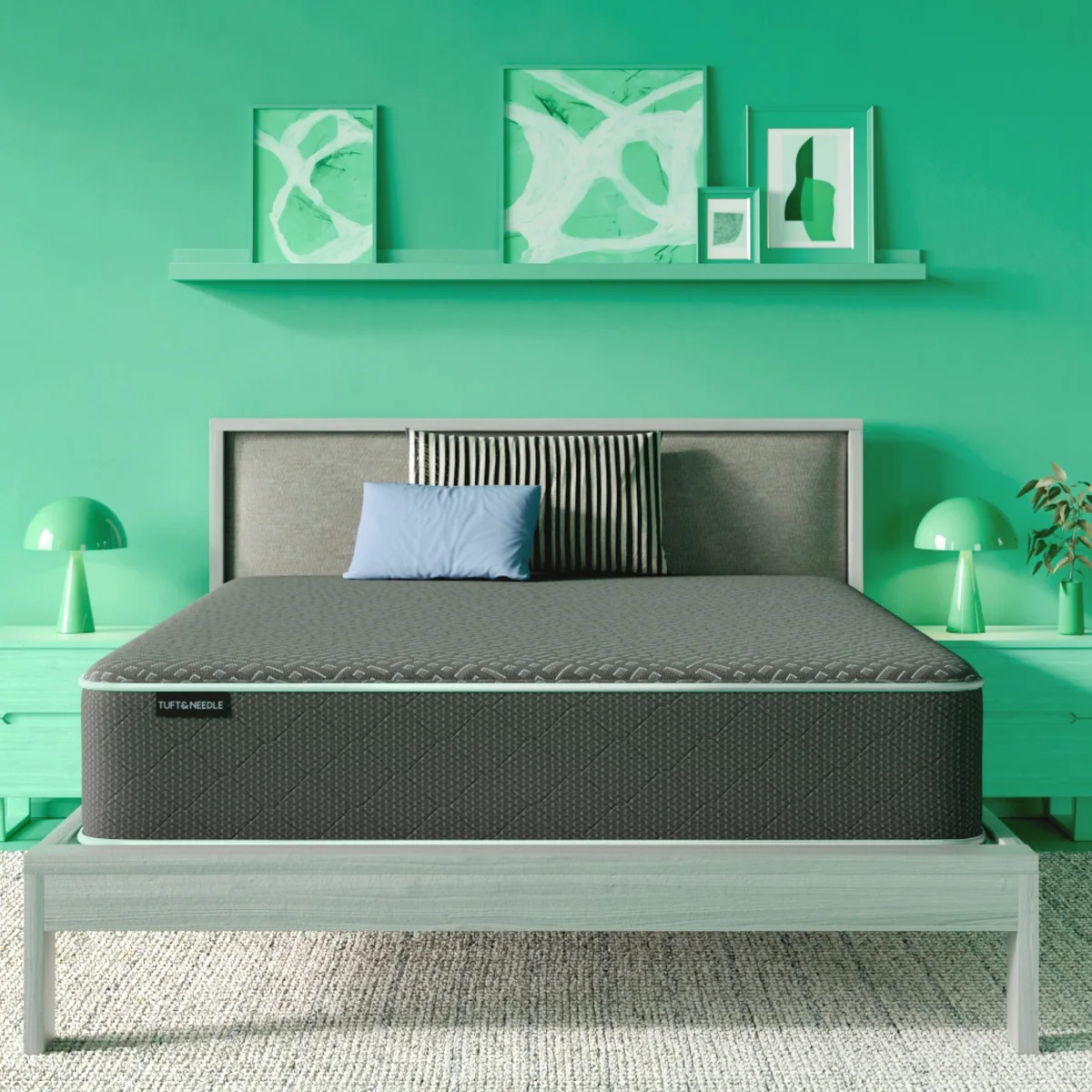
Best for: Combination sleepers · Couple
Why it stands out: Individually wrapped coils add motion control and support
Keep in mind: Costs more than the all-foam Original II

Best for: Shoppers who prefer an advertised Medium foam and coil feel · Side sleepers considering the seller's stated positioning
Why it stands out: The seller-described Medium feel is a starting point for assessing cushioning and support
Keep in mind: The reviewed offer is Queen; do not assume the same link selects another size
Buy with confidence
30-day return window shown for the exact Queen offer at Amazon
Best Mattresses for Side Sleepers — Frequently Asked Questions
What firmness is best for side sleepers?
Most side sleepers do best with medium to medium-soft firmness (4–6.5 on a 10-point scale). Lighter individuals (under 130 lbs) can go softer (3–5); heavier side sleepers (over 230 lbs) often need medium-firm (6–7) to prevent excessive sinking that misaligns the spine.
Is memory foam good for side sleepers?
Memory foam is traditionally the most recommended material for side sleepers because of its contouring pressure relief. However, gel grid (Purple) has emerged as uniquely effective — it eliminates pressure at contact points without the heat-trapping of dense memory foam.
Can side sleepers use a firm mattress?
Very firm mattresses (7+/10) are generally not recommended for side sleepers. They push back against the shoulder and hip without allowing necessary sinkage, creating pressure points. However, very light sleepers sometimes find medium-firm options comfortable due to their lower body weight creating less pressure.
What mattress is best for side sleepers with shoulder pain?
Side sleepers with shoulder pain need high pressure relief at the shoulder and a firmness that allows the shoulder to sink in sufficiently. Top options include Purple RestorePlus (gel grid eliminates shoulder pressure), Helix Midnight Luxe (zoned latex), and Nectar Premier (memory foam).
Should side sleepers use a pillow between their knees?
Yes — placing a pillow between the knees while side sleeping significantly improves hip alignment and reduces lower back stress. This is a widely recommended sleep hygiene tip for side sleepers, particularly those with hip or lower back pain.