Why a Quality Dog Bed Matters
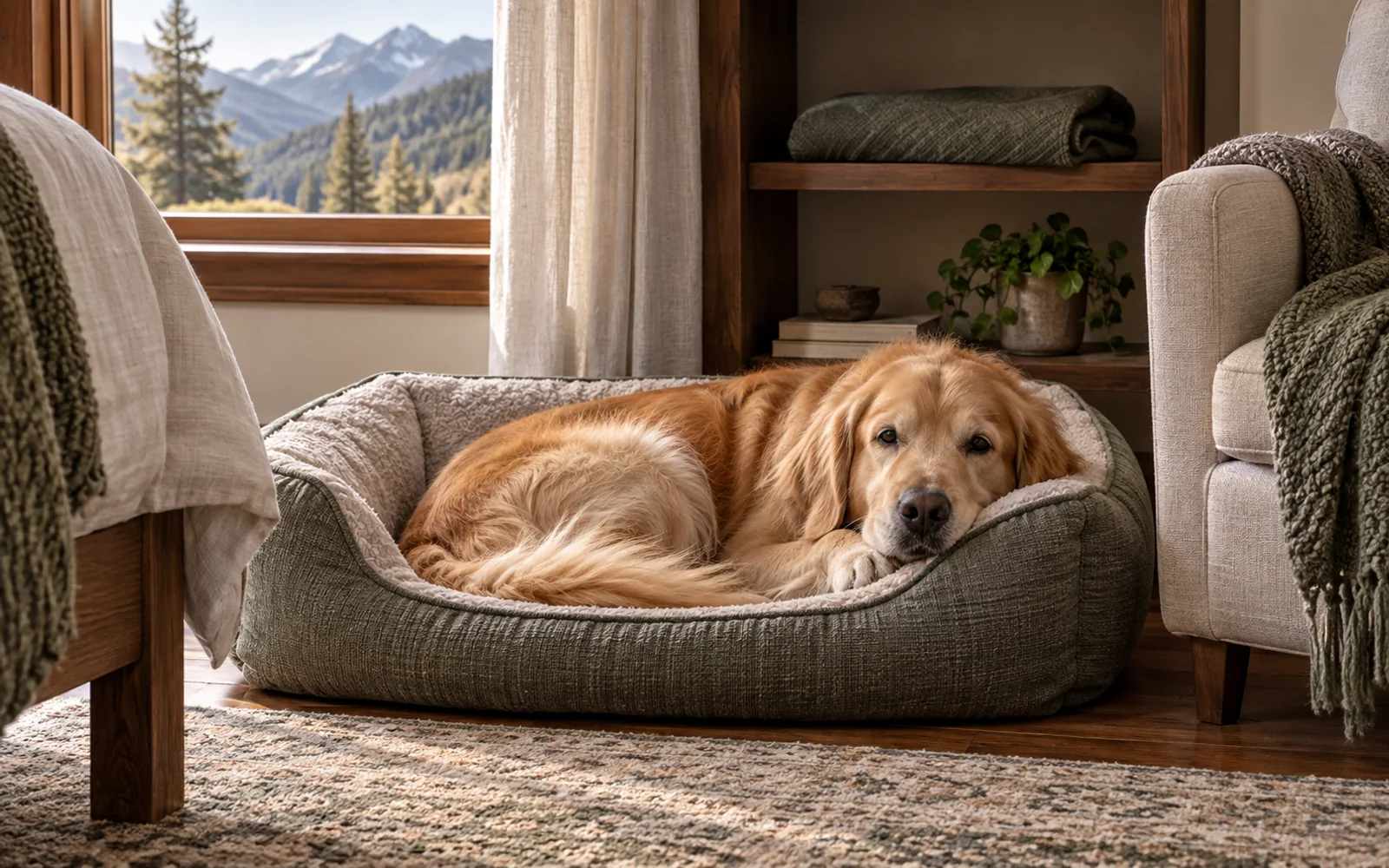
Dogs sleep in short cycles throughout the day and night, so their bed gets repeated use even if they also nap on the couch. A thin throw pillow can be enough for a young toy breed, but it can bottom out under a heavy dog. When that happens, elbows, hips, and shoulders press into the floor instead of being cushioned by the bed.
Age matters too. Puppies need washable, forgiving surfaces because accidents and chewing are common. Adults need enough room to stretch out or curl without falling off the edges. Seniors are commonly matched with orthopedic foam, lower entry heights, and covers that can be cleaned frequently without dismantling the whole bed.
The goal is not to buy the thickest bed in the store. The goal is to match support, shape, and maintenance to your dog. A Great Dane, a dachshund, and a nervous terrier do not use a bed the same way, so the right answer starts with the dog in front of you.
Vet-Backed Benefits
Veterinarians commonly recommend supportive bedding for senior dogs with joint pain because steady cushioning can reduce pressure on sore areas during rest. It does not treat arthritis or hip dysplasia, but it can make the sleep environment more forgiving and easier to use.
Calming beds work through a different mechanism. Donut and bolstered shapes are popular with dogs who curl, burrow, or press their back into a surface. The raised rim can create a more enclosed resting posture, which some anxiety-prone dogs prefer when the house is busy.
Temperature is the third major benefit. Heated beds are commonly chosen for cold rooms, older dogs, and short-coated breeds, while elevated or breathable beds are popular with hot climates and outdoor shade setups. For chewers, cord-free self-warming materials or simple washable mats are usually safer than an electric option.
Buying Considerations
Size
Measure from nose to tail while your dog is stretched out, then add about 6 inches. That buffer keeps the head, hips, and paws on the bed when the dog rolls or changes position. If your dog curls tightly, you can still size by stretch length so the bed remains useful on warmer nights.
Weight Capacity
Use adult weight, not puppy weight. A bed that feels plush under a 20-pound puppy may collapse under the same dog at 65 pounds. Foam depth, density, and warranty language matter more for large breeds than decorative fabric.
Support Type
Orthopedic memory foam is preferred by many senior-dog households because it spreads weight more evenly. Flat pillow beds are lighter and cheaper, but they compress faster. Bolstered beds help dogs who rest their head on an edge or like a sofa feel.
Washability
A removable, machine-washable cover is the baseline. Look for zippers that open wide, replacement-cover availability, and liners that protect foam from accidents. Whole-bed washing is convenient for small beds, but large foam beds usually need a removable cover.
Material
Chew resistance is mostly about construction, not a magic fabric. Fewer loose corners, tougher covers, and supervised use help more than marketing language. If certifications matter to your household, look for clear foam or textile certifications rather than vague "safe" claims.
Bed Categories Explained
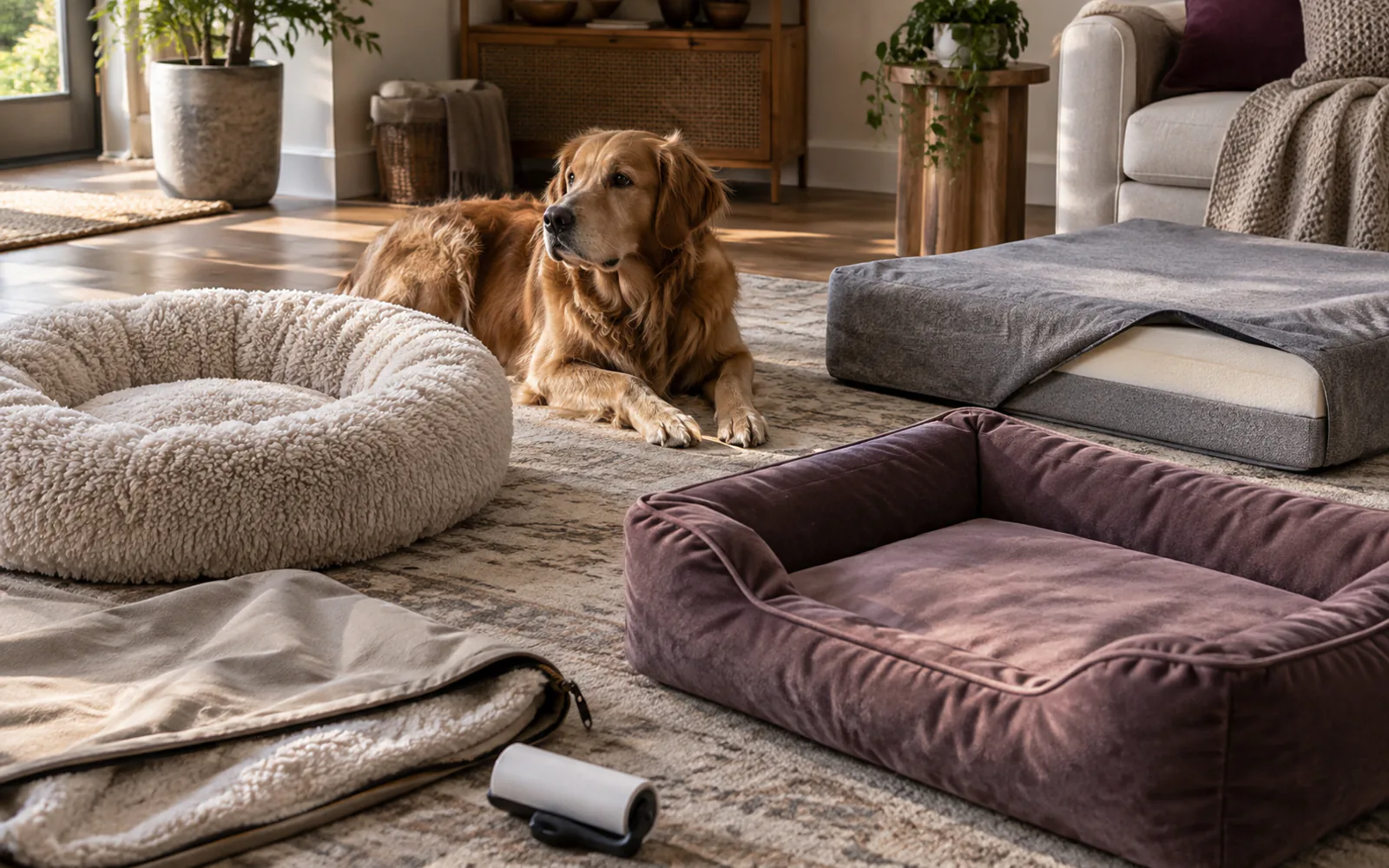
Orthopedic memory foam beds use denser support layers and are commonly chosen by senior dogs, large breeds, and dogs who need a surface that will not flatten quickly.
Bolstered, donut, and calming beds add raised edges. They suit dogs who curl, lean, or like a nest-like boundary, but they reduce open sleep surface compared with a rectangle.
Elevated and cooling beds lift the dog on a taut fabric platform so air can move underneath. They are popular with patios, garages, hot climates, and dogs who dislike plush heat.
Heated beds add active warmth. They are commonly chosen for cold homes and older pets, but they require cord awareness and strict use according to the product instructions.
Crate beds are thinner mats sized to fit standard crates. They prioritize washability and fit over deep support, which makes them practical but less cushioned than a standalone bed.
Travel beds roll, fold, or pack flat. They will not replace a serious orthopedic bed at home, but they give your dog a familiar surface in hotels, cars, and family visits.
Top Picks

Big Barker Orthopedic Headrest
$289.95 for reviewed Large variant - Dog bed - 50-70 lbs and up
- + 7-inch orthopedic foam profile
- + Raised headrest
- + Large-breed sizing

PetFusion Ultimate
$72.99 for the reviewed Small 25x20-inch variant; larger sizes cost more - Dog bed - Small / Large / XL / XXL
- + Solid memory-foam base
- + Bolstered sides
- + Water-resistant liner
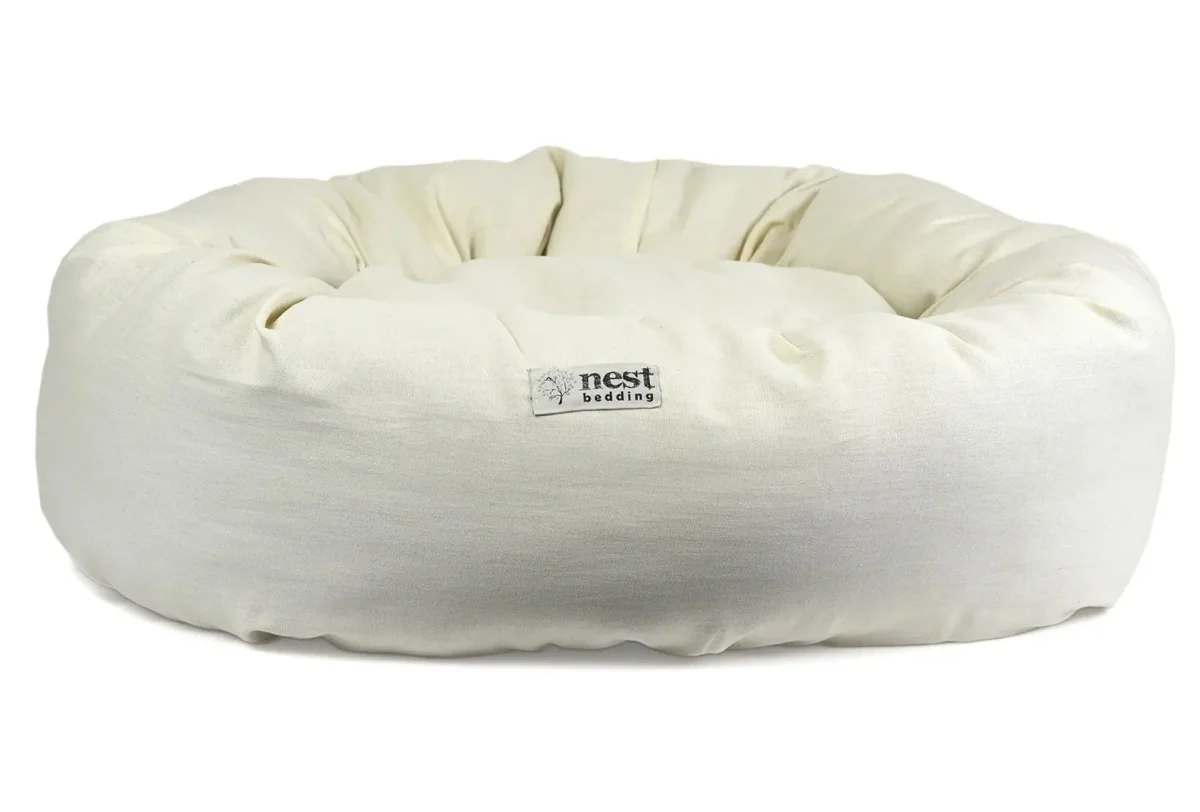
Nest Bedding Bolstered
$99-$179 direct from Nest Bedding - Dog bed - Small / Medium / Large
- + Raised bolstered perimeter
- + Breathable 5 oz canvas-cotton cover
- + Breathable, non-absorbent recycled-plastic fill
Buy with confidence: Nest gives direct buyers 30 nights to confirm the size works for their pet. The bed also includes a two-year warranty. Confirm current eligibility and terms before ordering.
Check price
Best Friends by Sheri Calming Donut
$35-$120 - Dog bed - Up to 45 lbs in medium
- + Round donut shape
- + High shag-fur bolster
- + Poly-fiber fill

K&H Pet Products Thermo-Kitty
$45-$75 - Dog bed - Small 16 inch / Large 20 inch
- + Low-watt removable heater
- + Foam bolster wall
- + Thermostatic warming
Frequently Asked Questions
How do I know if my dog needs an orthopedic bed?
An orthopedic bed is commonly chosen when a dog is older, heavier, stiff after naps, recovering from activity, or reluctant to settle on thin mats. It is a comfort upgrade, not a replacement for veterinary care.
What size dog bed should I get?
Measure your dog from nose to tail while stretched out, then add about 6 inches. Use adult weight for puppies so the bed still fits after growth.
How often should I wash my dog's bed?
Many households wash the cover every one to two weeks, and more often for allergy-prone homes, heavy shedding, muddy paws, or accidents. Follow the label so foam cores and covers do not break down early.
Are heated dog beds safe?
Indoor heated beds from established pet brands can be appropriate when used as directed. Check cords, avoid damaged covers, and choose a cord-free self-warming option if chewing is a concern.
Do dogs really need a bed or is the floor fine?
Many young dogs can nap on the floor, but a dedicated bed gives consistent support, insulation, and a washable place for fur and dander. Senior and large dogs usually benefit more from real cushioning.
What's the best material for a chewer?
No soft bed is chew-proof. Chewers are usually better matched with tougher covers, fewer loose seams, supervised use, and replacement covers instead of plush shag or exposed bolsters.
Are calming dog beds effective?
Calming beds are popular with dogs who curl, burrow, or lean into raised rims. They can support a more secure resting posture, but anxiety that disrupts daily life should be discussed with a veterinarian or trainer.
Where to Go Next
Start with the bed type that matches your dog today, then narrow by size and cleaning needs. For ranked product shortlists, see our dog bed picks, orthopedic dog bed picks, and cat bed picks.