Fast answer
Choose latex when movement and airflow lead
Its quick recovery favors combination sleepers, people who dislike a deep foam hug, and shoppers willing to handle a heavier mattress for the more buoyant feel.
Choose memory foam when contour and quiet lead
Its slower compression favors shoppers who want close body contouring and couples who put motion isolation ahead of bounce and easy repositioning.
Latex vs. memory foam: nine differences that change the decision
These are useful category tendencies, not promises. A thin latex layer over coils and a deep all-latex mattress will not feel alike; neither will two memory-foam beds with different firmness and layer depth.
| Decision factor | Latex | Memory foam |
|---|---|---|
| Surface response and feel | Springy and quick to recover; you tend to feel more on top of the bed. | Slower and more conforming; you tend to feel more surrounded by the comfort layer. |
| Contour and pressure distribution | Compresses locally while pushing back more noticeably. | Spreads load through a deeper, gradual contour when the comfort layer is thick enough. |
| Movement and sex | The quicker rebound usually makes position changes easier. | Deep contour can resist movement, although faster-response foams narrow the difference. |
| Motion isolation | Good in many all-latex beds, but rebound can transmit more movement. | Usually the stronger choice when limiting partner disturbance is the first priority. |
| Temperature | Open-cell latex and pin-core designs generally allow more airflow. | Performance varies widely by density, layer depth, cover, and cooling construction. |
| Weight and setup | Latex layers are dense and can make the mattress unusually heavy. | Still heavy in larger sizes, but many all-foam models are easier to maneuver than all-latex beds. |
| Materials and certifications | Natural, blended, and synthetic latex differ; check the exact layer and certificate scope. | Petroleum-based, plant-blend, and specialty foams differ; check emissions certifications and composition claims. |
| Price and value | Often costs more up front because latex is expensive and heavy to manufacture and ship. | Covers a wider price range, from budget foam beds to premium proprietary materials. |
| What the label does not tell you | Latex type, layer thickness, firmness, cover, and support core still determine the result. | Foam density, response time, layer thickness, firmness, cover, and support core still determine the result. |
Choose latex if these trade-offs sound right
- ✓You change position often and want the surface to recover immediately.
- ✓You dislike sinking deeply into the comfort layer.
- ✓You want the material with the clearer general airflow advantage.
- ✓You accept a heavier mattress and a commonly higher purchase price.
- ✓You will verify whether each latex layer is natural, blended, or synthetic.
Choose memory foam if these trade-offs sound right
- ✓You want a closer, slower contour around the body.
- ✓Partner movement is a primary source of disturbance.
- ✓You want more choices across budget and premium price bands.
- ✓You do not mind a slower surface response.
- ✓You will compare layer depth, density clues, cover, and ventilation instead of trusting a cooling label.
Material is only one part of the mattress
The support core, comfort-layer thickness, firmness, cover, edge design, and total height can outweigh the category label. Three inches of soft latex over springs can contour more than a firm, shallow memory-foam layer. A breathable cover and shallow foam can sleep cooler than a dense, deeply conforming foam stack.
Compare exact layer order and thickness before using the words “latex” or “memory foam” as the verdict. Also scope certifications to the named material: a GOLS latex layer or GOTS cotton cover does not automatically certify every component in the mattress.
Four current mattresses that make the differences concrete
The first pair shows two broadly accessible approaches. The second pair shows how far premium all-latex and premium memory foam can take the same basic material decision.
Configurable all-latex
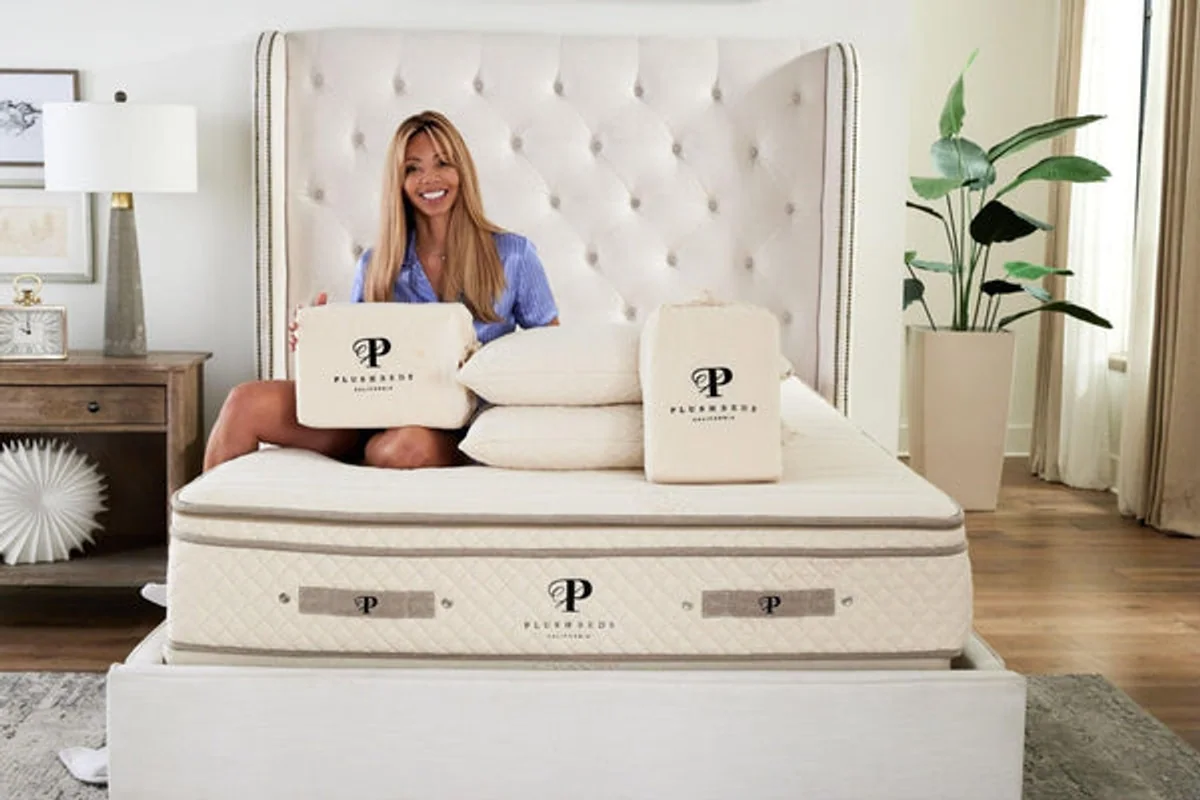
PlushBeds Botanical Bliss
$3,824 current Queen
A responsive surface with removable latex layers and firmness choice
The 10-inch version uses a three-inch comfort layer over a six-inch latex core. Its zippered, glue-free build lets the owner rearrange layers or use the one-time comfort exchange.
365-night trial · Lifetime warranty; direct-store terms can change.
Responsive memory foam
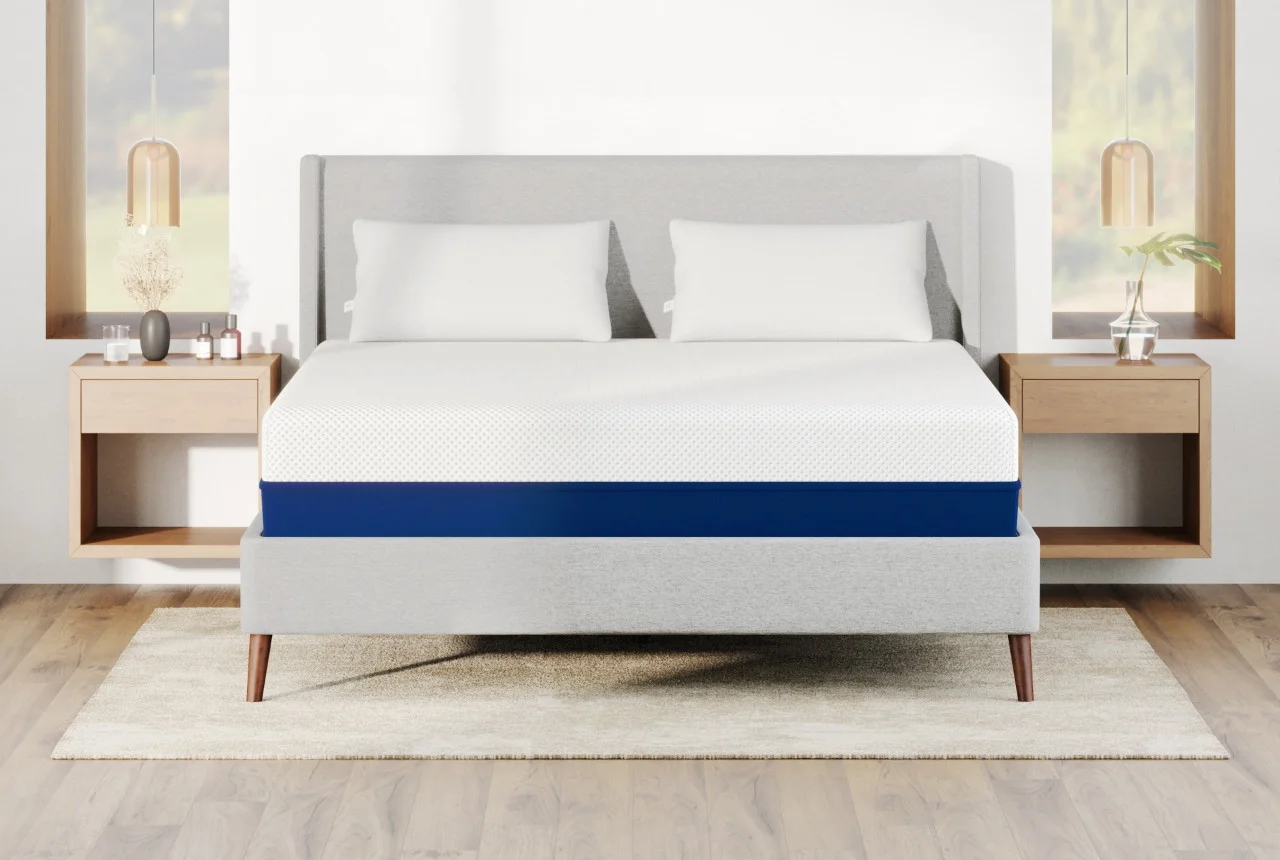
Amerisleep AS3
$1,249 current Queen
A closer foam hug with a quicker recovery than traditional slow foam
The 12-inch AS3 combines Bio-Pur memory foam, a five-zone transition layer, and a foam support core. It shows why memory foam can be responsive without feeling like latex.
100-night trial · 20-year warranty; direct-store terms can change.
Premium all-latex
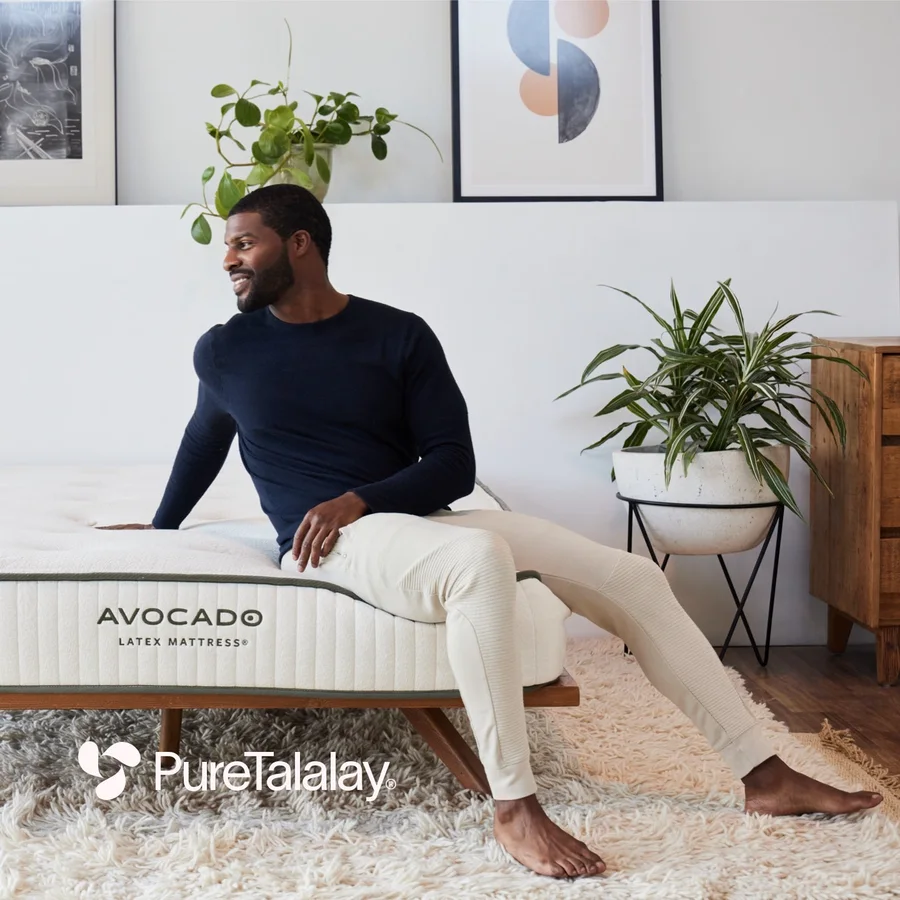
Avocado Organic Latex
$3,149 current Queen
A tall, coil-free latex design with a more buoyant premium build
This coil-free design pairs Dunlop and Talalay latex. It is useful for shoppers who want a premium latex construction rather than a latex hybrid.
365-night trial · 25-year warranty; direct-store terms can change.

Premium memory foam
TEMPUR-ProAdapt Medium
$3,499 current Queen
A slow, close contour with a premium material stack
The Medium all-foam version uses ventilated TEMPUR material over Advanced Relief material. It represents the slower, more enveloping end of the memory-foam range.
90-night trial · 10-year warranty; direct-store terms can change.
What to check before buying either material
- ✓Press the surface and notice how quickly the indentation disappears.
- ✓Roll and turn to see whether the bed helps or resists movement.
- ✓Sit and lie near the edge rather than judging only the center.
- ✓Test partner movement from both sides of the mattress.
- ✓Read every layer's material, thickness, and firmness description.
- ✓Check trial minimums, return fees, pickup rules, and exchanges.
- ✓Plan for mattress weight, stairs, foundations, and future moving.
- ✓Verify who issued each certificate and which component it covers.
Latex vs. memory foam FAQ
Is latex or memory foam better?
Neither material wins for everyone. Latex better fits shoppers who value quick response, easier movement, and airflow. Memory foam better fits shoppers who value close contouring and strong motion isolation. Firmness and the complete mattress design matter as much as the material name.
Does latex sleep cooler than memory foam?
Latex generally has the airflow advantage because it rebounds quickly and many layers use open cells and pin cores. A breathable cover and shallow foam layer can make a memory-foam mattress perform better than the category stereotype, so compare the complete construction.
Which material isolates motion better?
Memory foam usually absorbs partner movement more effectively. All-latex mattresses can still isolate motion well, but their faster rebound can carry more movement across the surface.
Can someone with a latex allergy use a latex mattress?
The latex is normally enclosed beneath the cover, but an allergy is a medical issue and mattress construction varies. Ask the manufacturer exactly where latex is used and consult a qualified clinician rather than relying on a general mattress claim.
What is the difference between Dunlop and Talalay latex?
Dunlop is commonly denser and more support-oriented. Talalay uses additional processing that often produces a lighter, more uniform feel. Formulation and firmness can matter more than the process name by itself.
Can memory foam feel responsive?
Yes. Foam chemistry, density, temperature, and layer thickness change recovery speed. Amerisleep's AS3 is one current example of a manufacturer deliberately using faster-response memory foam, though it still contours differently from latex.
Continue from material to an exact mattress
Browse the full material catalogs after choosing the feel you want, then compare firmness, layers, price, and seller terms model by model.
Sources and method
Product construction and direct-store terms were checked against the current PlushBeds Botanical Bliss, Amerisleep AS3, Avocado Organic Latex, and TEMPUR-ProAdapt pages. SleepRanked translates manufacturer specifications into decision guidance and does not present these products as hands-on tested. Confirm the final price, construction, trial, return fee, and warranty at checkout.