Fast answer
Choose all-foam for contour and quiet
It is the cleaner starting point when close body contour, minimal partner disturbance, and a spring-free construction matter most.
Choose a hybrid for pushback and edges
It is the cleaner starting point when easier turning, a steadier sitting edge, and more air space below the comfort layer matter most.
Memory foam vs. hybrid: nine differences that affect the purchase
A hybrid is not automatically firm, cool, or durable, and an all-foam mattress is not automatically soft or hot. These are useful construction tendencies; the exact layers and firmness determine the final feel.
| Decision factor | All-foam memory foam | Hybrid |
|---|---|---|
| Support core | A high-density foam core supports the comfort layers. | Pocketed or connected coils support the comfort layers; pocketed coils are the common current design. |
| Contour and surface feel | Usually slower and more enveloping, especially with a thick memory-foam comfort layer. | Usually adds pushback and quicker recovery, but a thick foam top can still feel deeply contouring. |
| Movement and repositioning | Deep contour can require more effort when rolling or getting up. | Coil rebound usually makes position changes and getting off the edge easier. |
| Motion isolation | Generally the stronger starting point because there is no spring unit to transmit movement. | Pocketed coils limit transfer better than connected coils, but the comfort layers and perimeter still matter. |
| Edge support | Depends on foam density and perimeter reinforcement; many all-foam edges compress noticeably. | Often stronger because brands can use firmer perimeter coils, though not every hybrid reinforces the edge. |
| Temperature | The cover, foam formula, density, and contour depth determine how much heat stays near the body. | The coil cavity creates more internal air space, but thick memory foam above it can still feel warm. |
| Weight, setup, and noise | Can be heavy but has no coil noise; many models arrive compressed in a box. | Often heavier; quality pocketed coils should be quiet, but moving parts add another possible wear or noise source. |
| Price and value | Available from budget to premium; a lower price does not reveal foam quality or density. | Often carries a premium for the coil unit and edge build, but current offers sometimes erase the gap. |
| What the label does not tell you | Layer thickness, foam response, firmness, density clues, cover, and base design still decide the result. | Coil type, gauge, zoning, perimeter, comfort-layer depth, firmness, and cover still decide the result. |
All-foam is the better fit when…
- ✓You want the least spring response and a closer contour.
- ✓A partner's movement regularly wakes you.
- ✓You do not rely on the edge for sitting or getting up.
- ✓You prefer a spring-free construction.
- ✓You will compare foam depth and response instead of assuming every memory-foam bed feels alike.
A hybrid is the better fit when…
- ✓You want more pushback and quicker position changes.
- ✓You sit or sleep close to the mattress edge.
- ✓You value more air space beneath the comfort layer.
- ✓The extra weight and usual price premium are manageable.
- ✓You will check the coil type and comfort-layer depth instead of buying the hybrid label alone.
The comfort layer can outweigh the support core
A hybrid with four inches of slow memory foam can feel more enveloping than an all-foam mattress with a thin, responsive top layer. Firmness, cover tension, zoning, layer thickness, foam response, and perimeter design all change what reaches the sleeper.
Start with the surface feel you want, then use the support core as the tiebreaker. If two models use similar comfort layers—as the Amerisleep AS3 pair does—the coil-versus-foam difference becomes much easier to evaluate.
Two matched pairs show what coils actually change
Amerisleep provides the cleaner control because both AS3 versions use three inches of Bio-Pur comfort foam and a 12-inch profile. Tempur-Pedic shows a premium version of the decision, but its Medium and Medium Hybrid layer stacks are not identical, so compare the complete constructions rather than assigning every difference to coils.
All-foam control
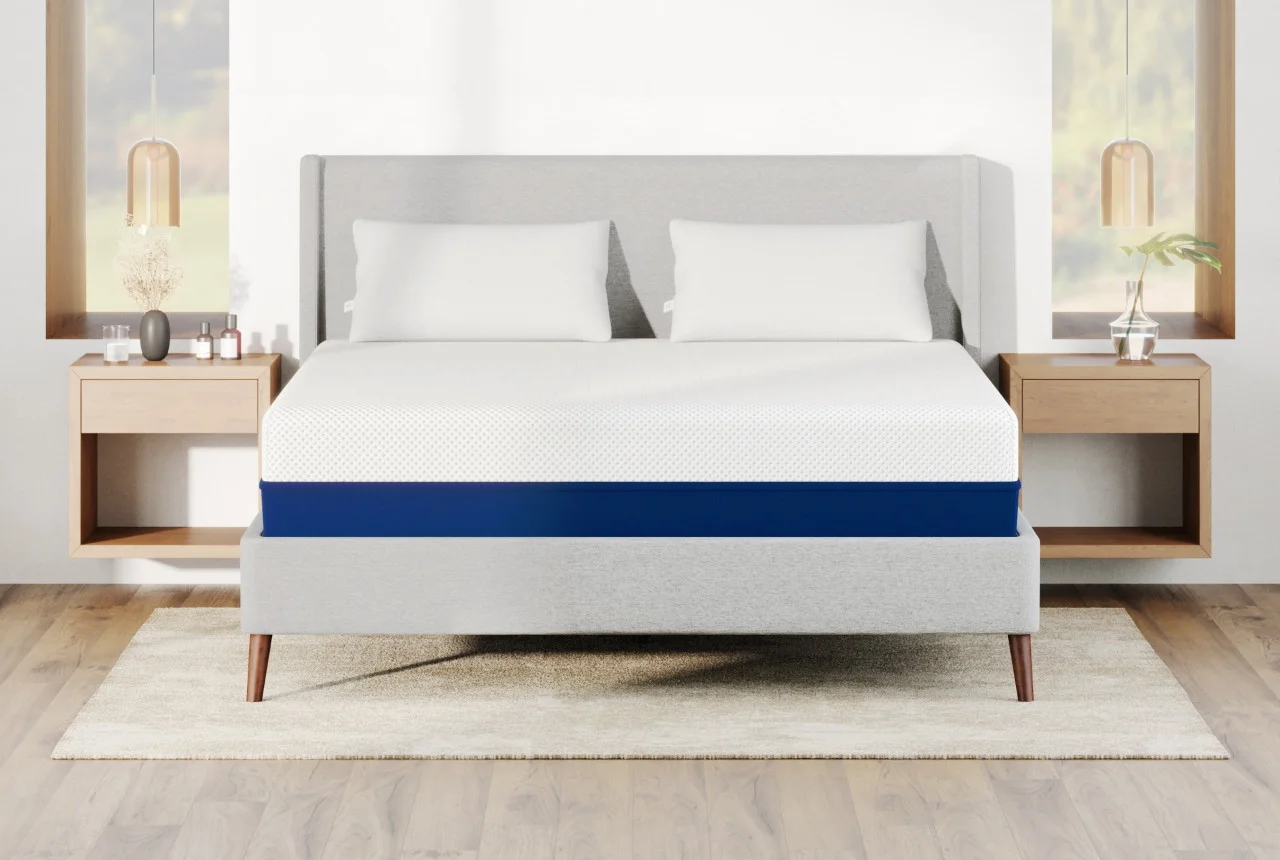
Amerisleep AS3
$1,249 current Queen
Construction: 3 inches of Bio-Pur memory foam, a 2-inch HIVE transition layer, and a 7-inch Bio-Core foam base.
The foam core favors a steadier, quieter contour and keeps the zoning in a separate transition layer.
100-night trial · 20-year warranty; direct-store terms can change.
Matched hybrid
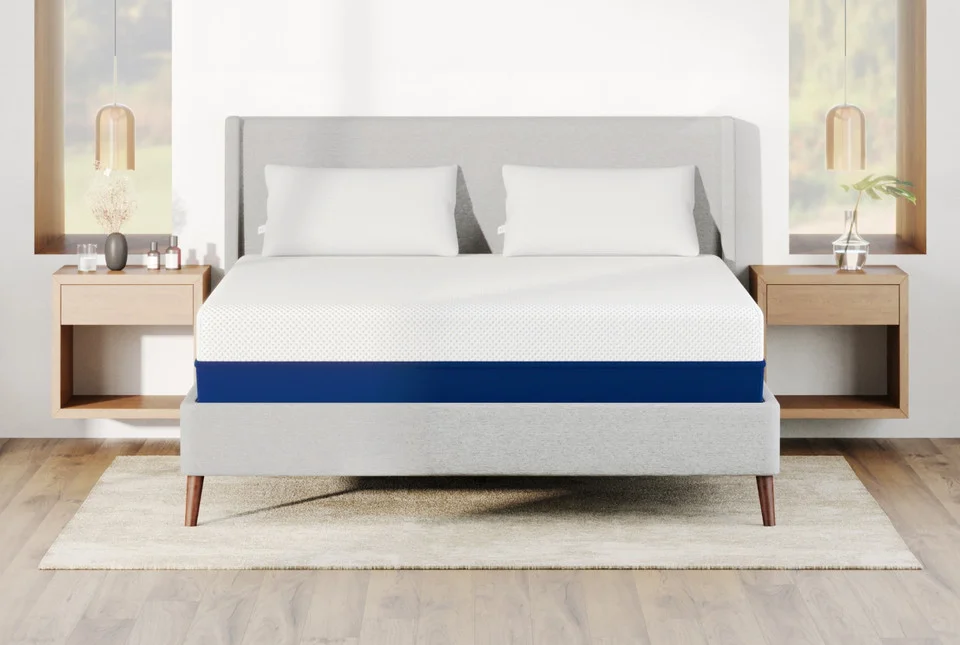
Amerisleep AS3 Hybrid
$1,449 current Queen
Construction: 3 inches of Bio-Pur memory foam, 8 inches of zoned pocketed coils, and a 1-inch base foam.
The same-depth comfort foam sits over coils, adding rebound, airflow space, and perimeter support.
100-night trial · 20-year warranty; direct-store terms can change.

Premium all-foam
TEMPUR-ProAdapt Medium
$3,499 current Queen
Construction: A 12-inch all-foam design with ventilated TEMPUR material over Advanced Relief material.
This is the closer-contouring ProAdapt choice, with the support core kept entirely foam-based.
90-night trial · 10-year warranty; direct-store terms can change.
Premium hybrid
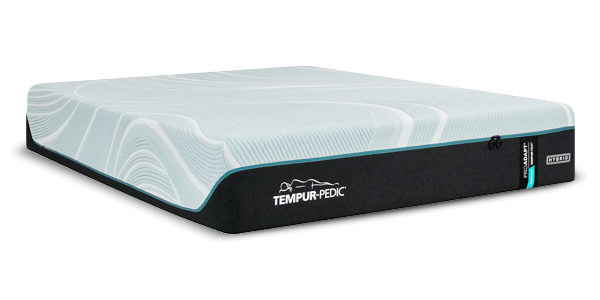
TEMPUR-ProAdapt Medium Hybrid
$3,499 current Queen
Construction: A 12-inch design with TEMPUR comfort and support material over more than 1,000 premium coils.
The coil unit adds edge support and easier movement while preserving a substantial TEMPUR comfort stack.
90-night trial · 10-year warranty; direct-store terms can change.
Amerisleep matched pair
The current hybrid premium buys a different support system
Both AS3 choices are listed as 12-inch medium mattresses with three inches of Bio-Pur comfort foam. The all-foam version adds a zoned transition layer and Bio-Core base. The Hybrid uses eight inches of zoned pocketed coils and a one-inch base foam. Read the live prices above to decide whether rebound, edge support, and coil airflow justify today's gap.
Tempur-Pedic premium pair
Medium Hybrid changes the foam stack as well as the core
The all-foam ProAdapt Medium lists ventilated TEMPUR material over Advanced Relief material. The Medium Hybrid lists TEMPUR comfort and support material over 1,000-plus coils. Tempur-Pedic specifically attributes easier movement and additional edge support to the hybrid, while both remain close-contouring TEMPUR designs.
Trial terms can matter more than the category
Amerisleep direct
The current AS3 page lists a 100-night trial, free returns after the first 30 nights, and a 20-year limited warranty split between 10 full-replacement years and 10 prorated years. Confirm the final written terms at checkout.
Tempur-Pedic direct
The current direct policy lists a 90-night trial, asks buyers to keep the mattress at least 30 nights, and deducts the return shipping fee from an eligible refund. The mattresses carry a 10-year limited warranty. Another retailer can set different comfort and return terms.
What to check before buying either construction
- ✓Read every layer's material and thickness, not only the category label.
- ✓Ask whether the coils are pocketed, connected, zoned, or perimeter reinforced.
- ✓Press the edge and roll across the center to compare recovery speed.
- ✓Test partner movement from both sides of the mattress.
- ✓Confirm the exact firmness; hybrid does not automatically mean firm.
- ✓Plan for mattress weight, stairs, delivery method, and future moving.
- ✓Verify adjustable-base and foundation rules for the exact model.
- ✓Compare trial minimums, return fees, pickup rules, and warranty exclusions.
Memory foam vs. hybrid FAQ
Is memory foam or a hybrid mattress better?
Neither construction is universally better. Choose all-foam when close contouring and motion isolation lead your decision. Choose a hybrid when easier movement, edge stability, and more internal airflow lead. Compare the actual layers and firmness because the category name alone cannot predict comfort.
Does a hybrid mattress contain memory foam?
Many do, including the Amerisleep AS3 Hybrid and TEMPUR-ProAdapt Medium Hybrid. Others use latex, polyfoam, fibers, or several materials above the coils. Hybrid describes the combination of a spring support unit and substantial comfort materials, not one required foam formula.
Do hybrid mattresses sleep cooler than memory foam mattresses?
Hybrids generally have more internal air space around the coils. The surface can still retain heat if the comfort stack is thick and slow to recover. Compare the cover, foam depth, contour, and ventilation rather than treating coils as a cooling guarantee.
Which construction isolates partner movement better?
All-foam usually has the advantage. A hybrid with individually wrapped coils and thick foam can still isolate movement well, while connected coils tend to transfer more. Edge reinforcement and the bed frame can also affect what a partner feels.
Do hybrids last longer than memory foam mattresses?
There is no reliable category-wide lifespan winner. Foam density, coil quality, comfort-layer thickness, sleeper load, foundation, and care all matter. A long warranty is defect coverage and should not be treated as a promised comfort lifespan.
Can both types work on an adjustable base?
Many modern all-foam and pocketed-coil hybrids are adjustable-base compatible, but the product manufacturer and base maker must confirm the exact model. A flexible construction does not override foundation or warranty requirements.
Browse the exact construction you prefer
Use the material hubs to compare current firmness, price, dimensions, and seller terms after choosing the support core that fits your priorities.
Sources and method
Construction and policy checks use the current Amerisleep AS3, Amerisleep AS3 Hybrid, TEMPUR-Adapt collection, Tempur-Pedic trial policy, and manufacturer warranty pages. SleepRanked separates stated specifications from the practical conclusions they support. Confirm final price, layers, delivery, trial, fees, and warranty before ordering.