Mouth Tape for Sleep: What to Know Before Buying
Mouth-tape brands sell full-mouth and lip-only strips, but product design is not proof that taping improves snoring or is safe for every sleeper. A 2025 systematic review found limited, mixed evidence and warned about possible harm when nasal breathing is obstructed. This guide compares formats for readers who are discussing the practice with a clinician; it does not rank clinical effectiveness or recommend DIY surgical tape.
Important Health Note
Do not tape your mouth to self-treat snoring or possible sleep apnea. Taping can make breathing difficult when your nose is blocked and may irritate skin or disrupt sleep. Loud or persistent snoring, witnessed breathing pauses, gasping, or daytime sleepiness call for medical evaluation. Ask a clinician before considering this practice, especially if you have nasal obstruction, congestion, or a breathing condition.
If nasal stuffiness is the concern, compare nasal-strip and dilator formats instead. Those products do not treat sleep apnea or guarantee less snoring either.
How We Compared Formats
- ✓Compare the physical coverage of full-mouth and lip-only designs without assigning medical-effectiveness scores
- ✓Keep seller descriptions separate from independent evidence of benefit or safety
- ✓Exclude general surgical tape from overnight mouth-taping recommendations
Our Methodology
We compare three named mouth-tape formats using the sellers' product descriptions and separately review clinical evidence. We have not tested these products or found head-to-head trials establishing a safer or more effective brand. The order below is for browsing formats, not an efficacy ranking. The 2025 systematic review and clinical guidance below inform the cautions; neither endorses a product on this page.
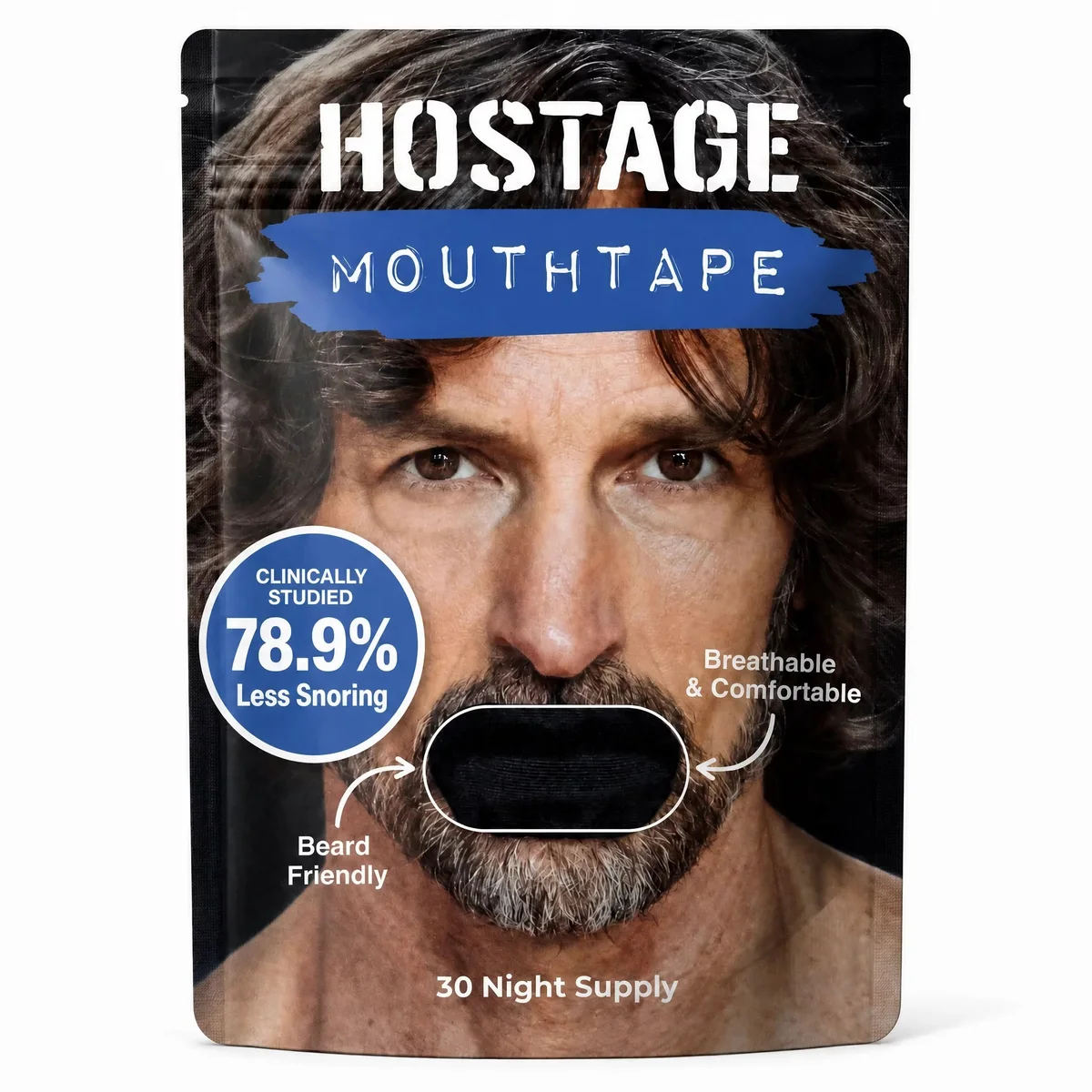
Hostage Tape Original is a full-mouth X-shaped strip. Its coverage differs from the smaller lip-only formats below; that design does not establish better snoring results or safety for someone with blocked nasal breathing.
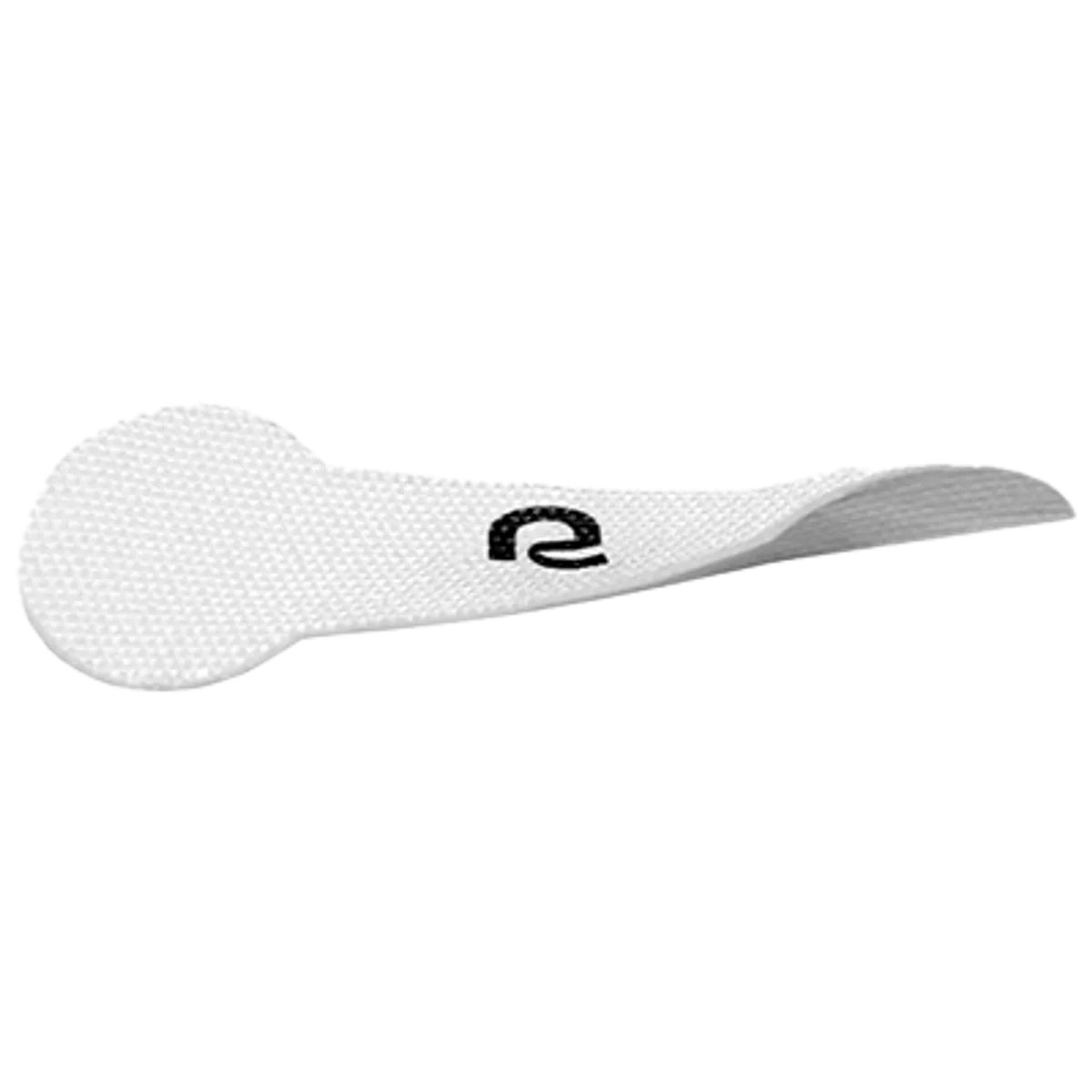
Dream Recovery describes Dream Tape as a fabric-backed mouth strip. Compare its stated materials, coverage and return terms with the other formats, without assuming that a softer-feeling backing reduces breathing risk or improves snoring.
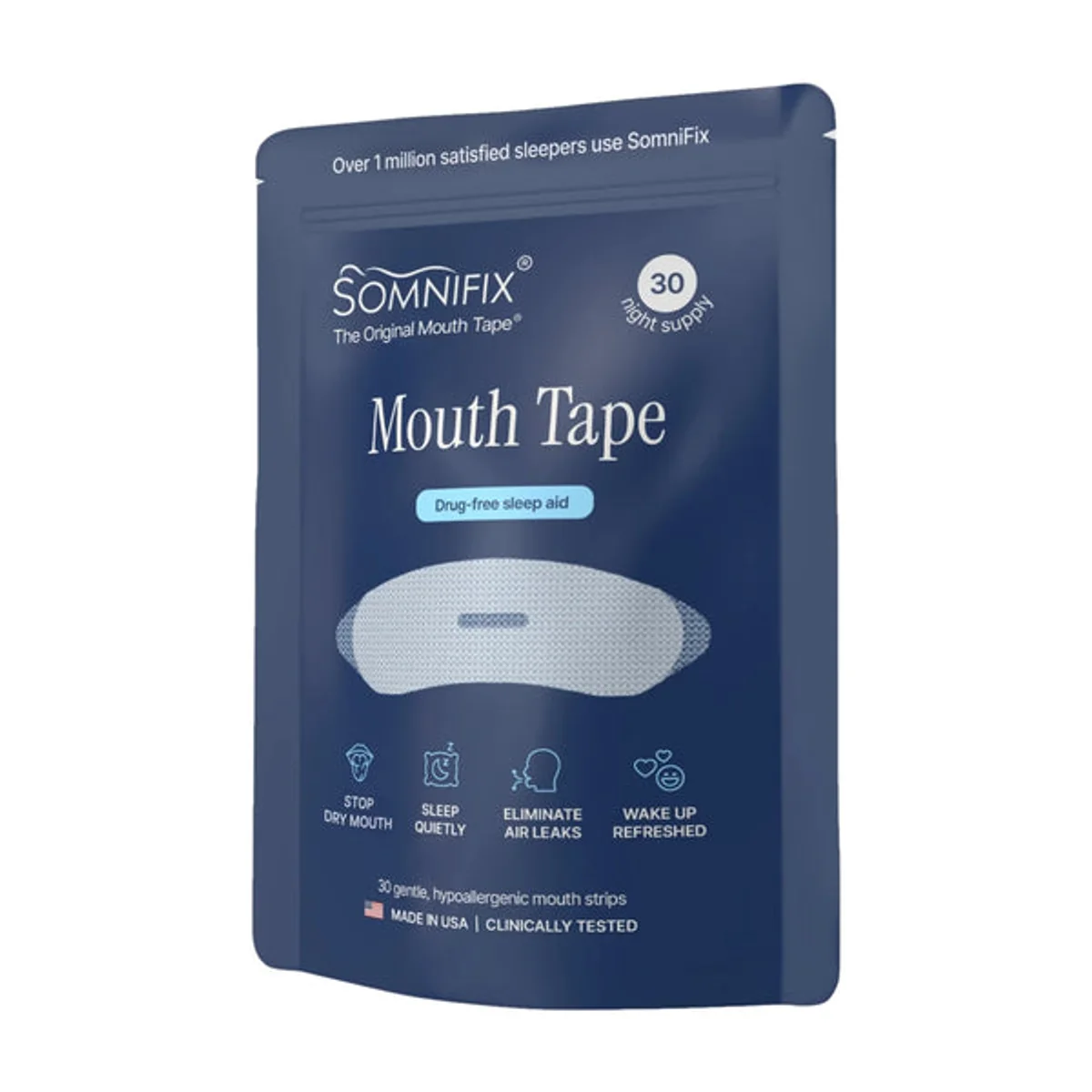
SomniFix uses a smaller lip-area strip rather than a full-mouth X shape. Its central opening is a product-design detail, not clinical proof of safe breathing or a reliable snoring benefit.
Research sources
Frequently Asked Questions
Does mouth taping reliably reduce snoring?
Evidence is too limited and mixed to promise that result. A 2025 systematic review found only 10 eligible studies involving 213 people; some outcomes improved, others did not, and the authors warned about harm when nasal breathing is obstructed. Snoring can also signal a condition that needs evaluation.
Is a breathing slit or cutout proof that a strip is safe?
No. A design feature does not establish that the strip is safe for someone whose nose is blocked, who may have sleep apnea, or who has another breathing concern. Discuss the practice with a clinician rather than treating a cutout as an emergency safeguard.
Can I use 3M Micropore or household tape instead?
We do not recommend general surgical or household tape for overnight mouth sealing. Solventum describes Micropore as a medical securement tape for uses such as dressings and tubing, not as mouth tape. Its availability and low cost do not establish safe off-label use during sleep.
What if my nose feels blocked at night?
Do not seal your mouth when nasal breathing is difficult. A clinician can help identify the cause. External nasal strips and fitted dilators are different products that some people use for a sensation of easier nasal breathing, but they do not treat sleep apnea or guarantee less snoring.
More Snoring Device Rankings
Related Guides
Shopping for a mattress too?
Take our 2-minute quiz and get a personalized recommendation based on your sleep position, budget, and preferences.
Find My Match