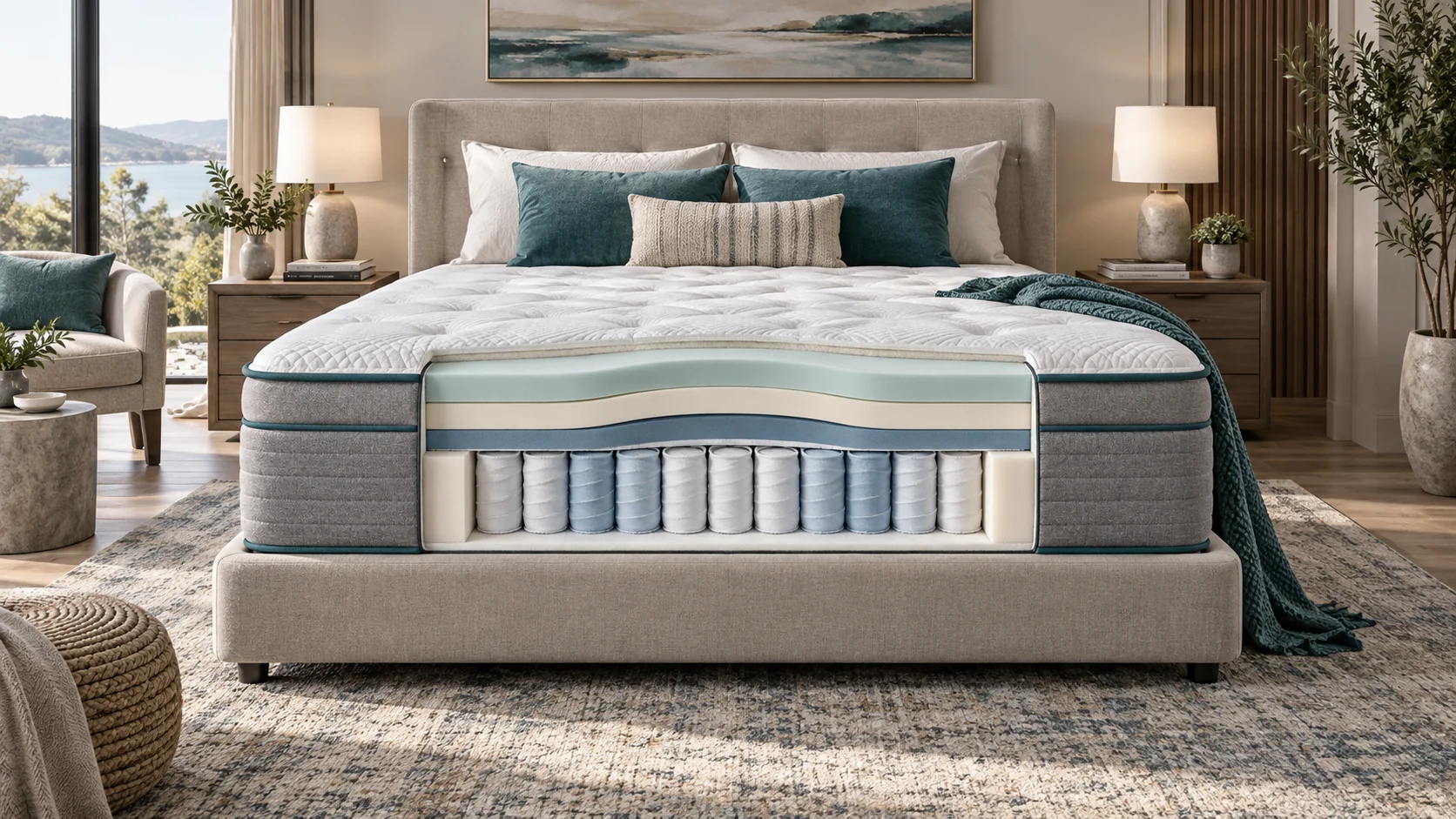
Choosing a Mattress When You Change Sleep Positions
If you switch positions, test the transitions as well as the position where you fall asleep. Start on your usual side, back or stomach, then turn the way you normally do. Compare how much effort that takes, whether each position feels comfortable, and how a partner's movement affects you. No single material or firmness number settles those questions.
Compare mattress firmness descriptions alongside your own fit check.
What to Look For
Ease of turning
Try moving between your usual positions without pushing unusually hard against the bed. Compare exact models rather than assuming all foam is slow or every hybrid is easy to move on.
Comfort in each position
Spend time in the positions you actually use. Notice pressure, cushioning and your preferred feel; do not choose a fixed firmness number solely from a position label.
Usable edge
Sit and lie near the edge if that is part of your routine. Check whether its feel is comfortable and stable for you, including when getting out of bed.
Partner movement
If sharing, have each person turn while the other rests. Decide whether the movement is acceptable; a motion-isolation rating cannot promise uninterrupted sleep.
Trial and return costs
Check the exact seller's trial period, required break-in, fees and collection process. Allow for a different return policy when buying the same model from a marketplace.
Features to Prioritize
- ✓Comfort in the positions you use most
- ✓Turns that feel easy with your usual pillow and bedding
- ✓An edge that suits sitting and getting out of bed
- ✓Partner movement you find acceptable
- ✓Clear return costs before purchase
Features to Avoid
- ✗Eliminating an entire material category without trying the model
- ✗Choosing a firmness number as a universal target
- ✗Expecting a quiz or catalog rating to guarantee fit
Our Top Picks for Combination Sleepers
Ranked by a weighted score based on the factors that matter most for combination sleepers.
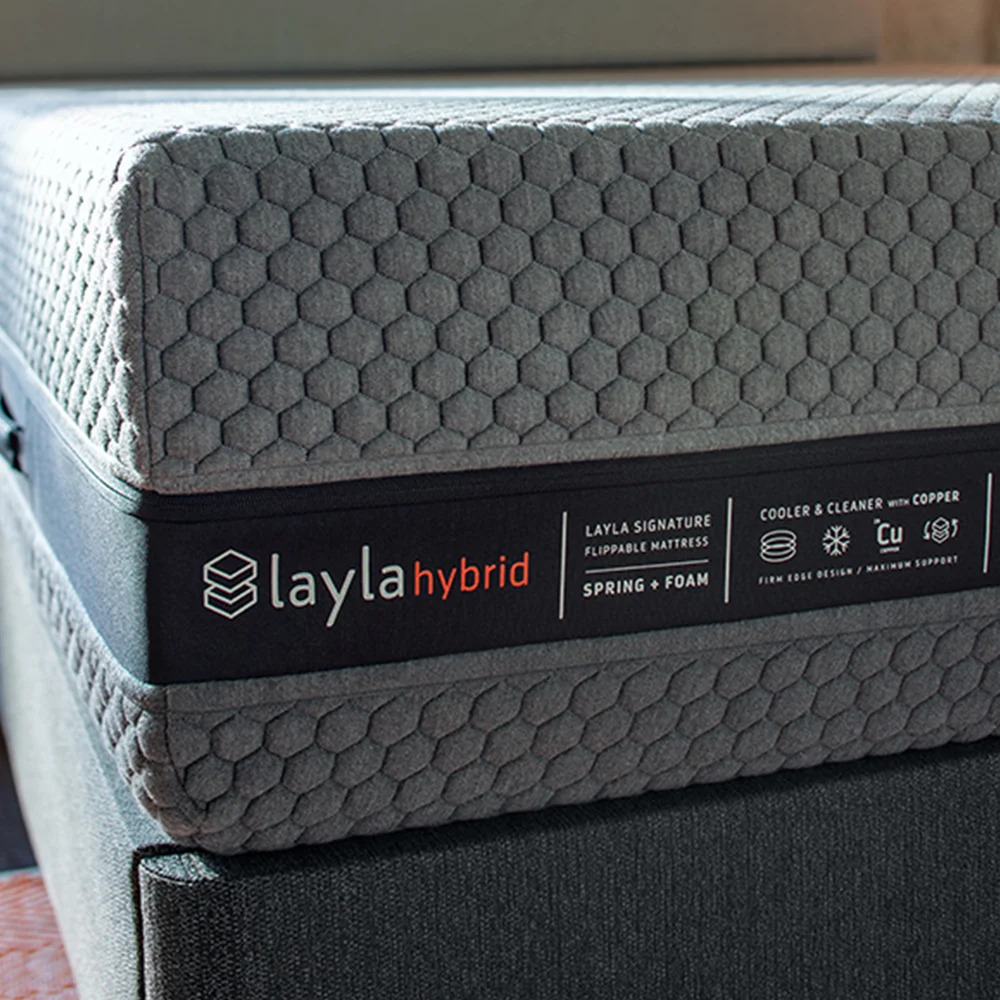
Best for: Couples choosing between two firmnesses · Side and combination sleepers wanting a softer surface with a firmer fallback
Why it stands out: Both sleep surfaces use 3.5-pound copper-gel Memory Foam, with softer 23-ILD airflow foam on one side and firmer 40-ILD airflow foam on the other
Keep in mind: Both sides still use Memory Foam, so flipping changes firmness rather than creating a buoyant latex or traditional pillow-top feel
Buy with confidence
30-night at-home comfort trial at Layla
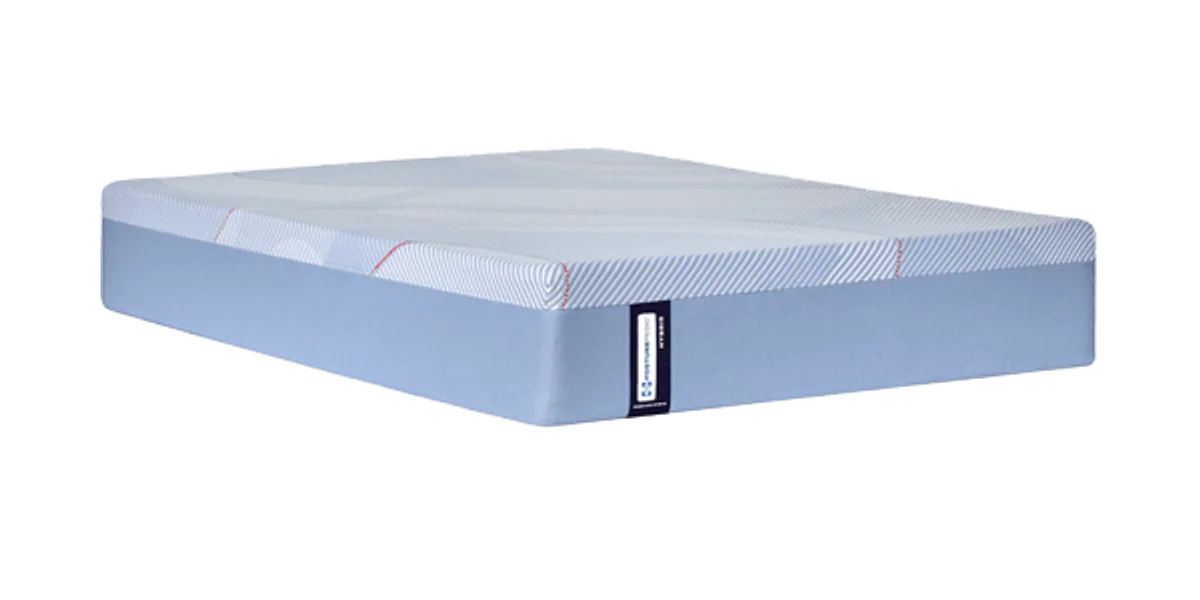
Best for: Back sleepers · Combination sleepers
Why it stands out: Hybrid construction combines foam cushioning with coil support
Keep in mind: Only one firmness option: Medium
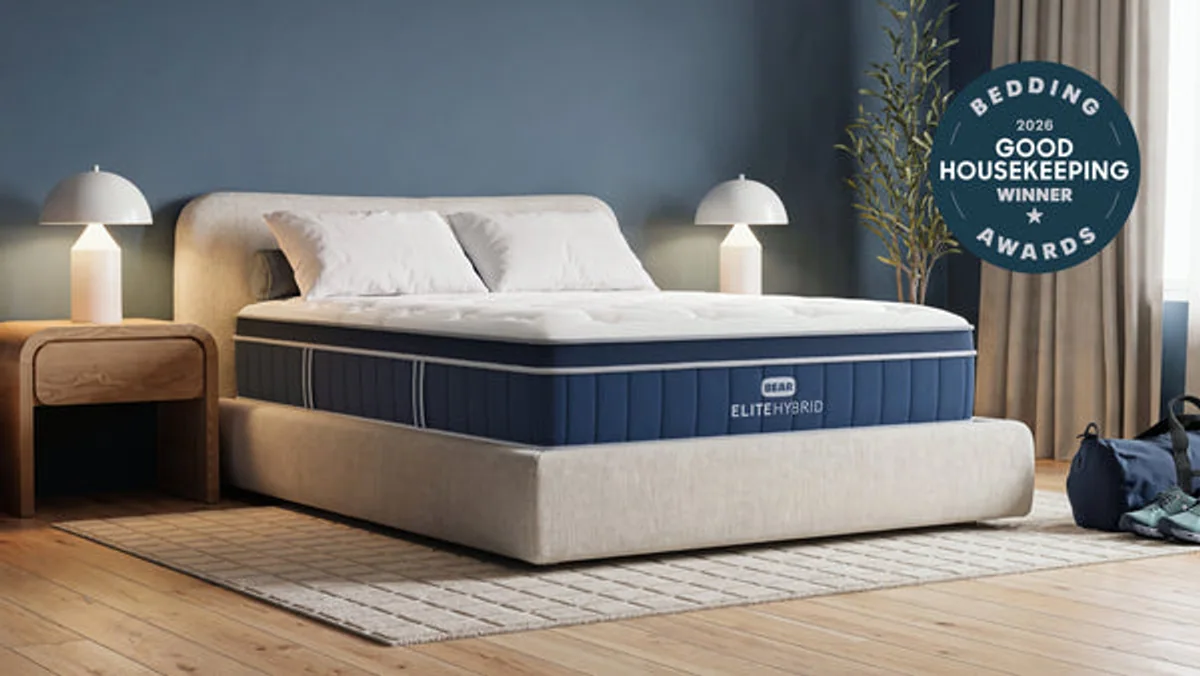
Best for: Side sleepers · Back sleepers
Why it stands out: Strong edge support from reinforced coils
Keep in mind: More responsive than a deep all-foam contour
Buy with confidence
120-night direct-purchase comfort trial at Bear
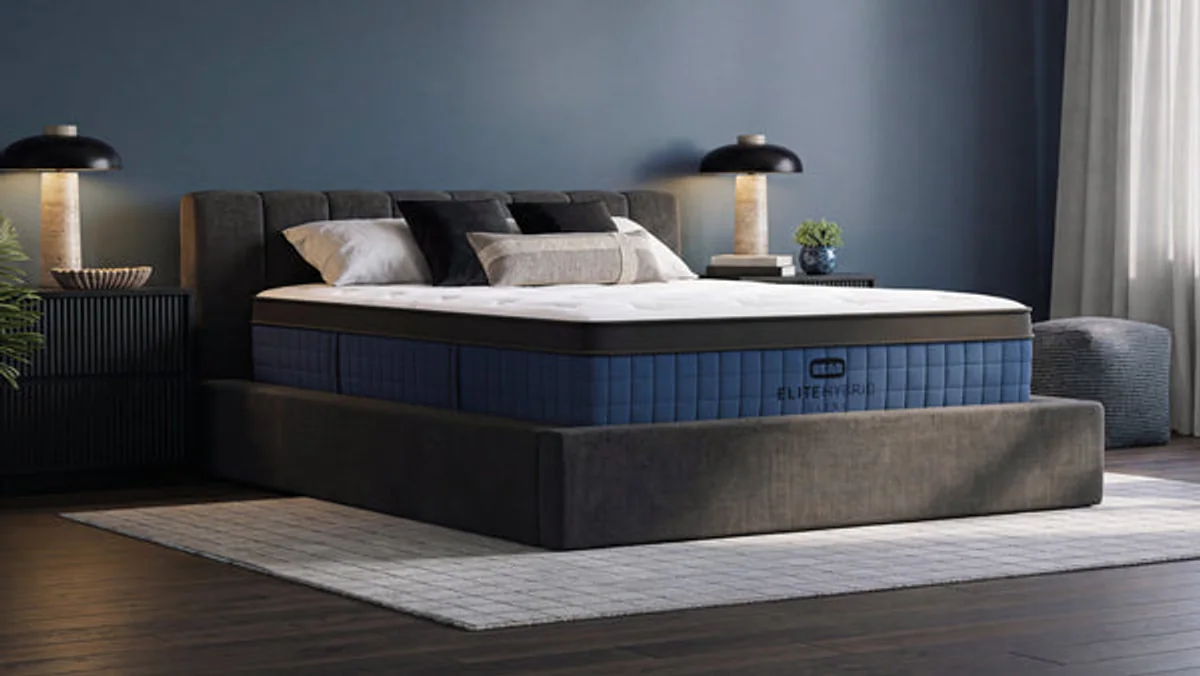
Best for: Side sleepers · Back sleepers
Why it stands out: Most responsive and cooling-focused Bear model
Keep in mind: Responsive microcoil feel is less slow-contouring than all-foam
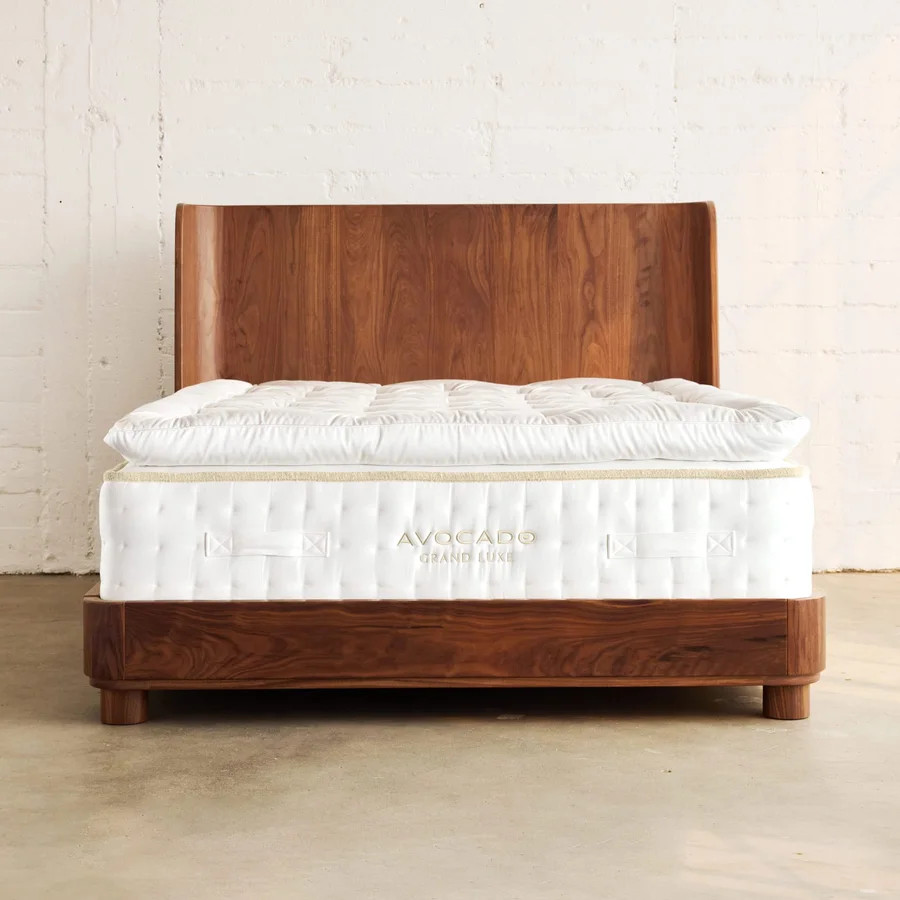
Best for: Side sleepers · Shoppers wanting responsive plushness
Why it stands out: Its two inches of latex and spring-dense pillow top favor responsive pressure relief instead of slow memory-foam contouring
Keep in mind: Medium Plush can allow too much hip sink for some stomach sleepers or shoppers who prefer to sleep on top of the surface
Buy with confidence
1-year direct-purchase comfort trial at Avocado
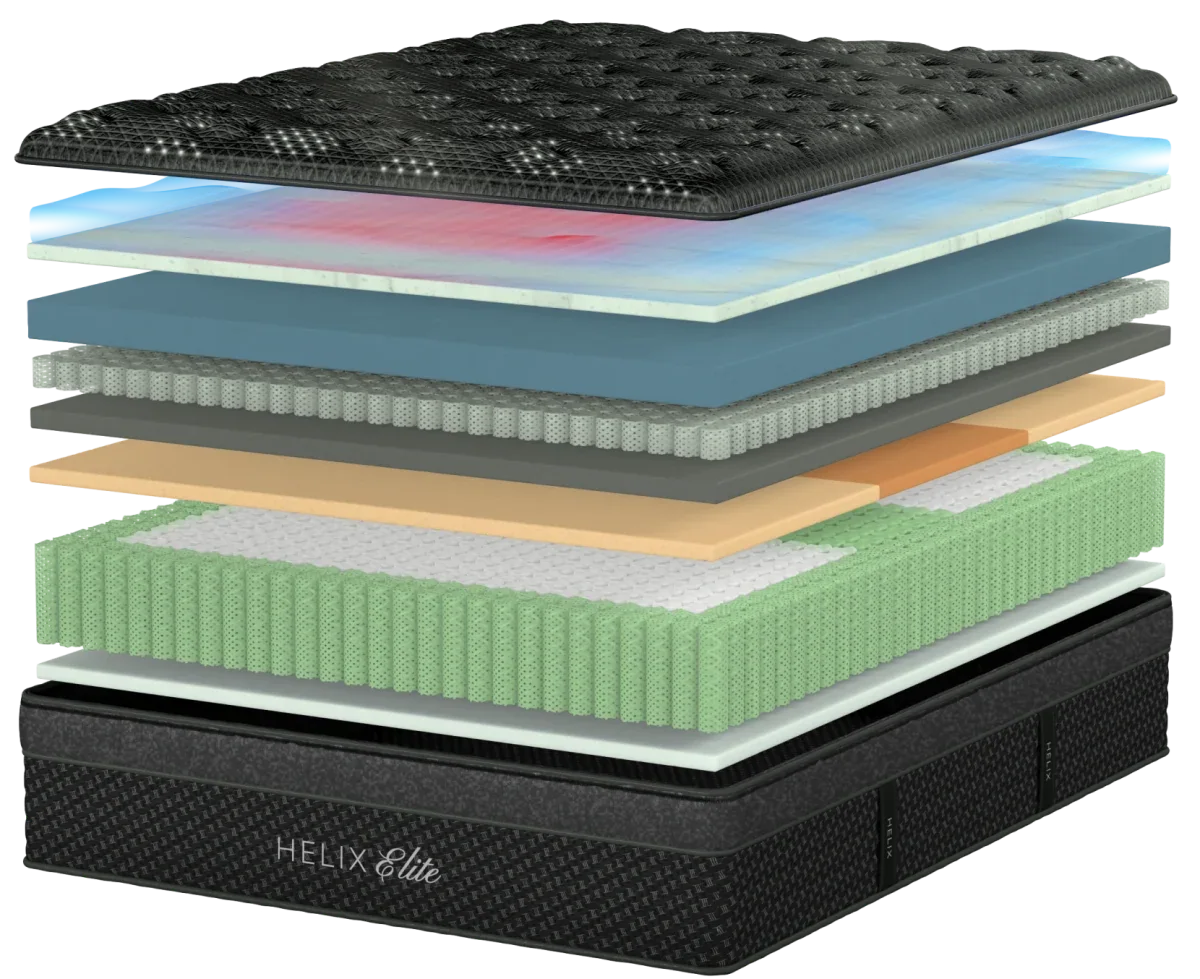
Best for: Side sleepers · Medium feel shoppers
Why it stands out: GlacioTex Elite cooling cover included
Keep in mind: Optional CoolForce layer costs extra
Buy with confidence
120-night Happy with Helix comfort trial at Helix
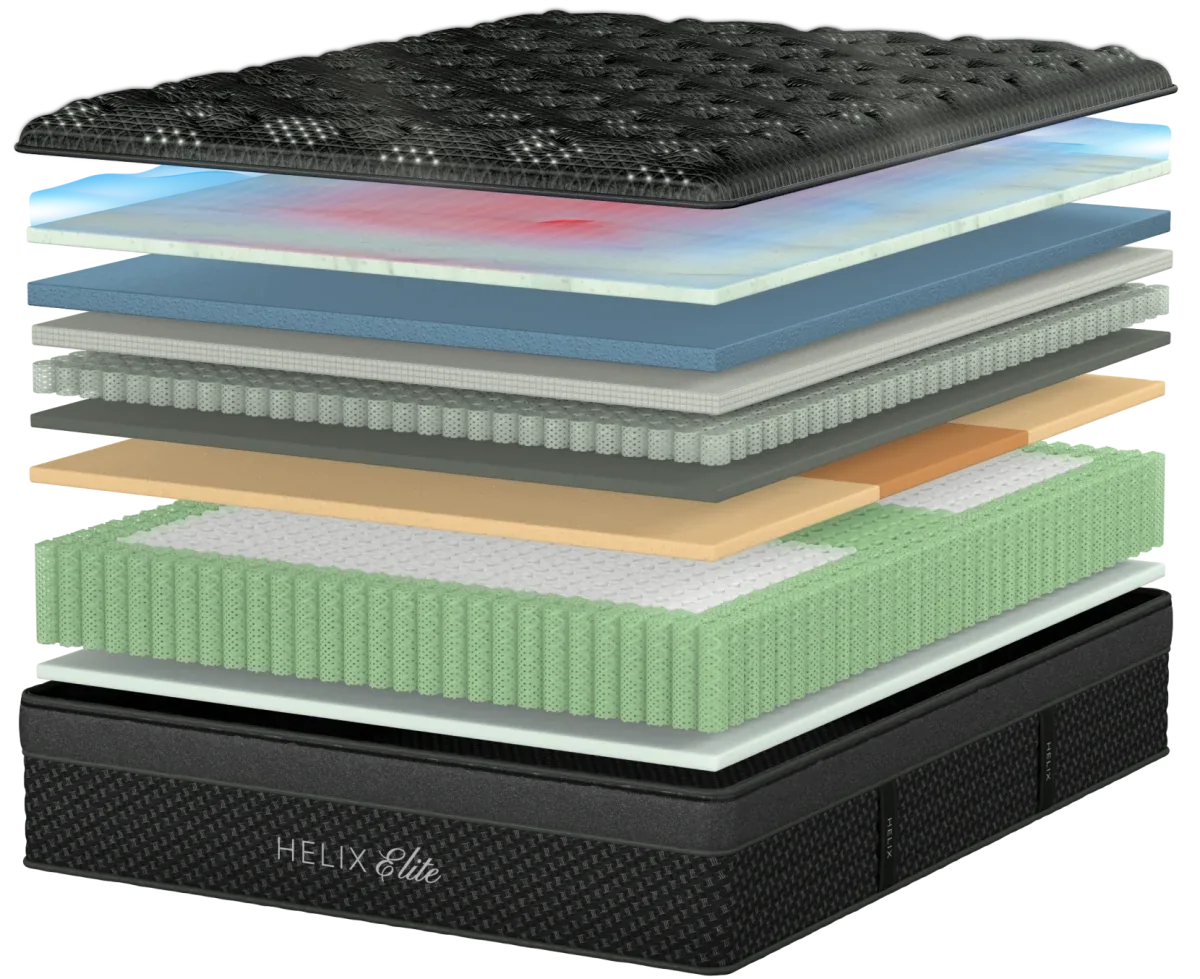
Best for: Back and stomach sleepers · Medium feel shoppers
Why it stands out: GlacioTex Elite cooling cover included
Keep in mind: Optional CoolForce layer costs extra
Buy with confidence
120-night Happy with Helix comfort trial at Helix
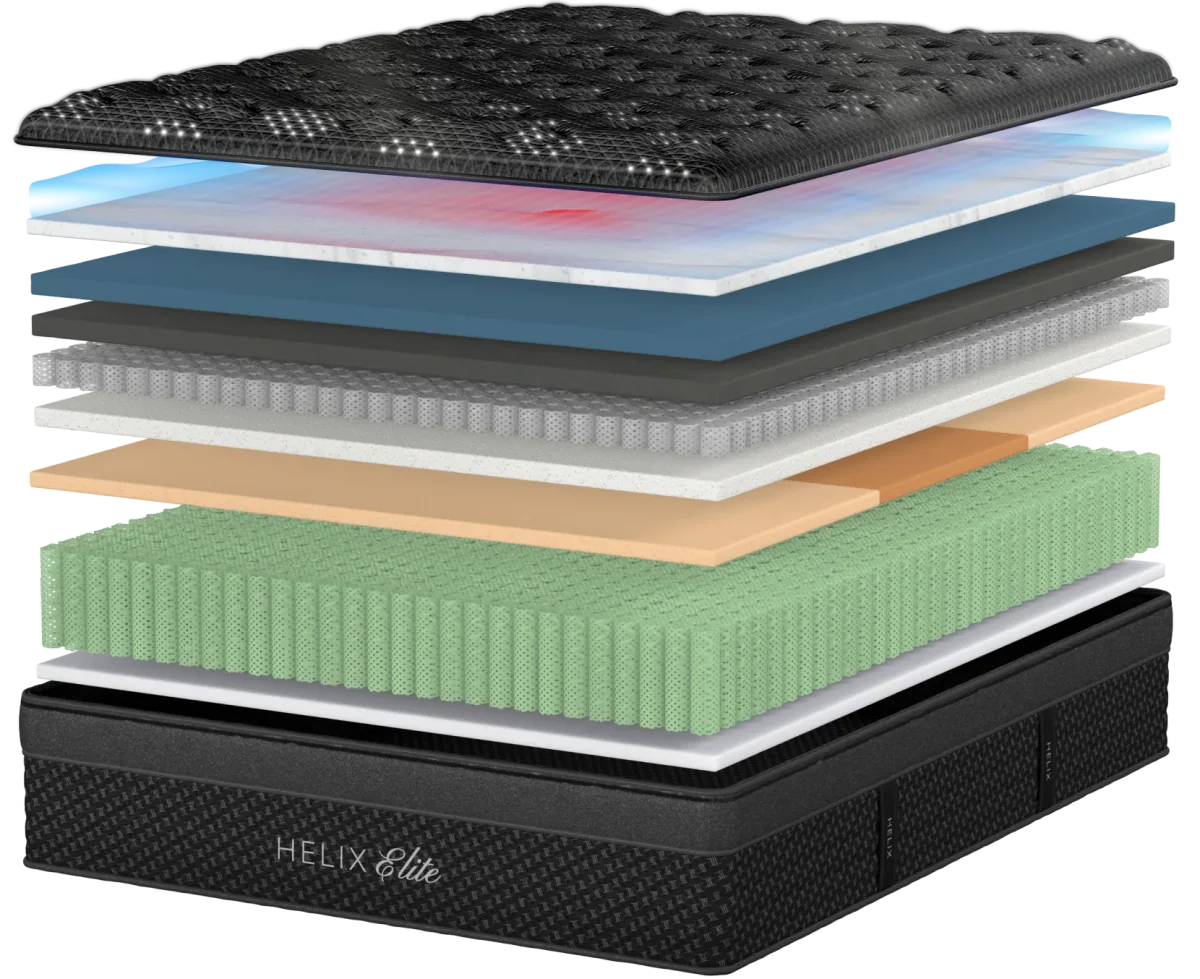
Best for: All sleeping positions · Medium firm feel shoppers
Why it stands out: GlacioTex Elite cooling cover included
Keep in mind: Optional CoolForce layer costs extra
Buy with confidence
120-night Happy with Helix comfort trial at Helix
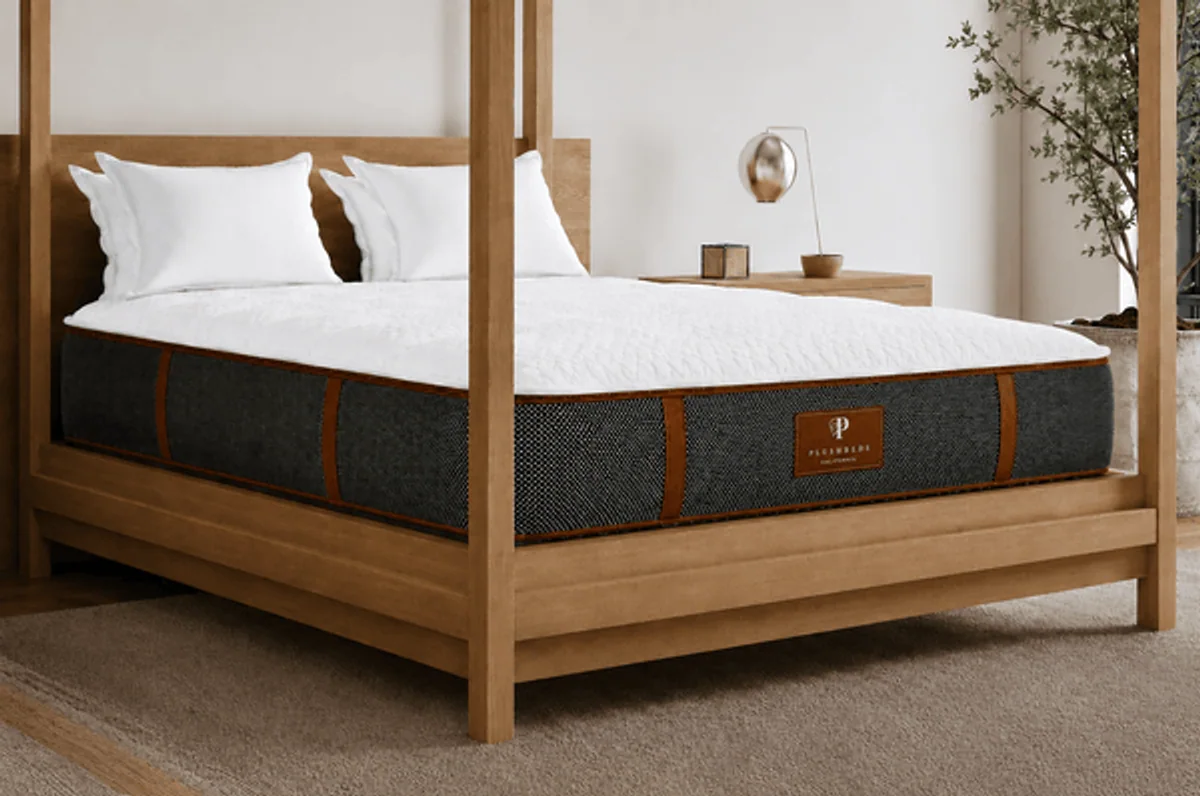
Best for: Combination sleepers · Couples
Why it stands out: The manufacturer-described 7/10 Cushion-Firm feel offers a middle choice between the flatter Firm and deeper Ultra-Plush surfaces
Keep in mind: The balanced 7/10 label may still feel too resistant to someone who already prefers a deeply soft cradle
Buy with confidence
365-night direct-purchase money-back guarantee at PlushBeds
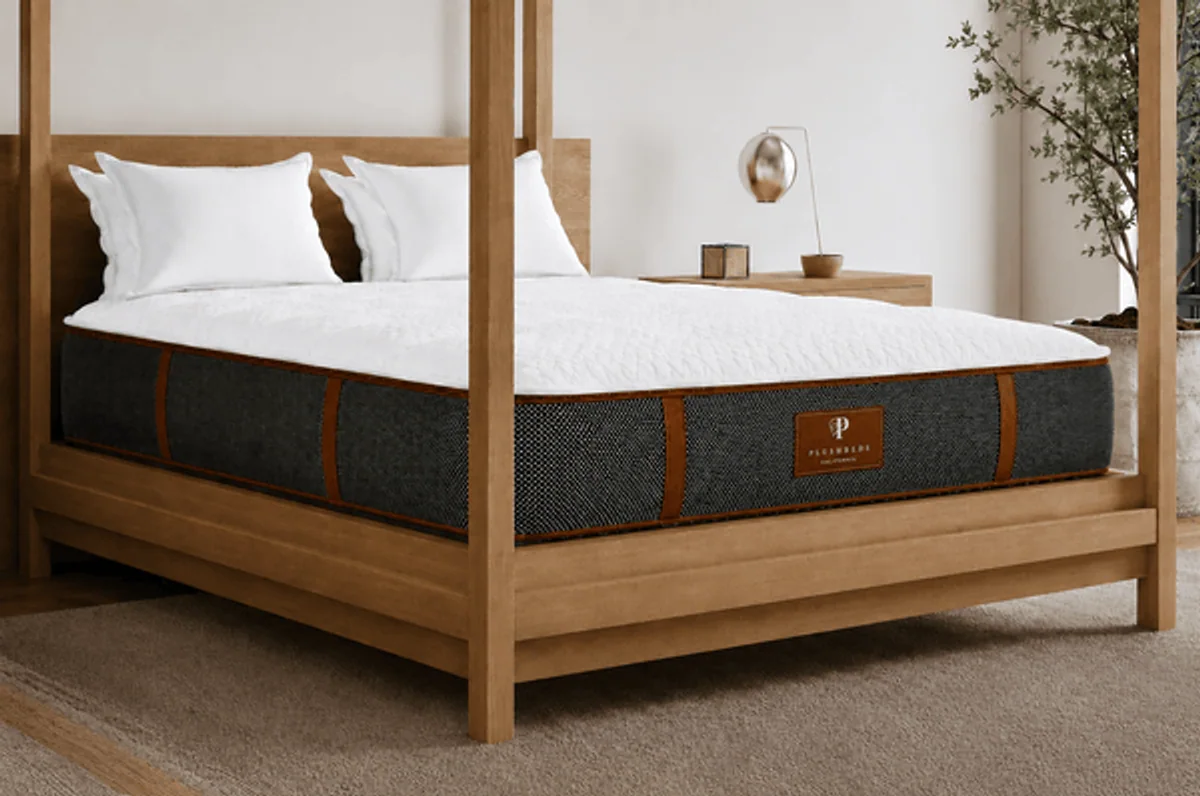
Best for: Side sleepers · Plush mattress shoppers
Why it stands out: The model-specific chart names VelvaForm Lite Memory Foam with ArcticEase and SculptAlign rather than leaving the comfort features unspecified
Keep in mind: The deeply soft surface may allow more sink than someone seeking a flatter, firmer bed wants
Buy with confidence
365-night direct-purchase money-back guarantee at PlushBeds
Choosing a Mattress When You Change Sleep Positions — Frequently Asked Questions
What mattress material is best for combination sleepers?
Compare the exact model for ease of turning and comfort. Foam, latex and hybrid models can feel different within the same category, so the construction label is only a starting point.
What firmness is best for combination sleepers?
Choose by comfort in the positions you use, not a universal score. Compare more than one feel and check whether cushioning that works in one position remains comfortable in another.
Can a mattress quiz choose for me?
A quiz can help form a shortlist. Confirm the exact model's feel, size, setup requirements and seller return terms; a recommendation does not guarantee comfort.
Should combination sleepers choose a firmer or softer mattress?
Neither is automatically better. Compare pressure, ease of movement and your preferred feel in each usual position. Persistent pain deserves clinical advice rather than a firmness rule.