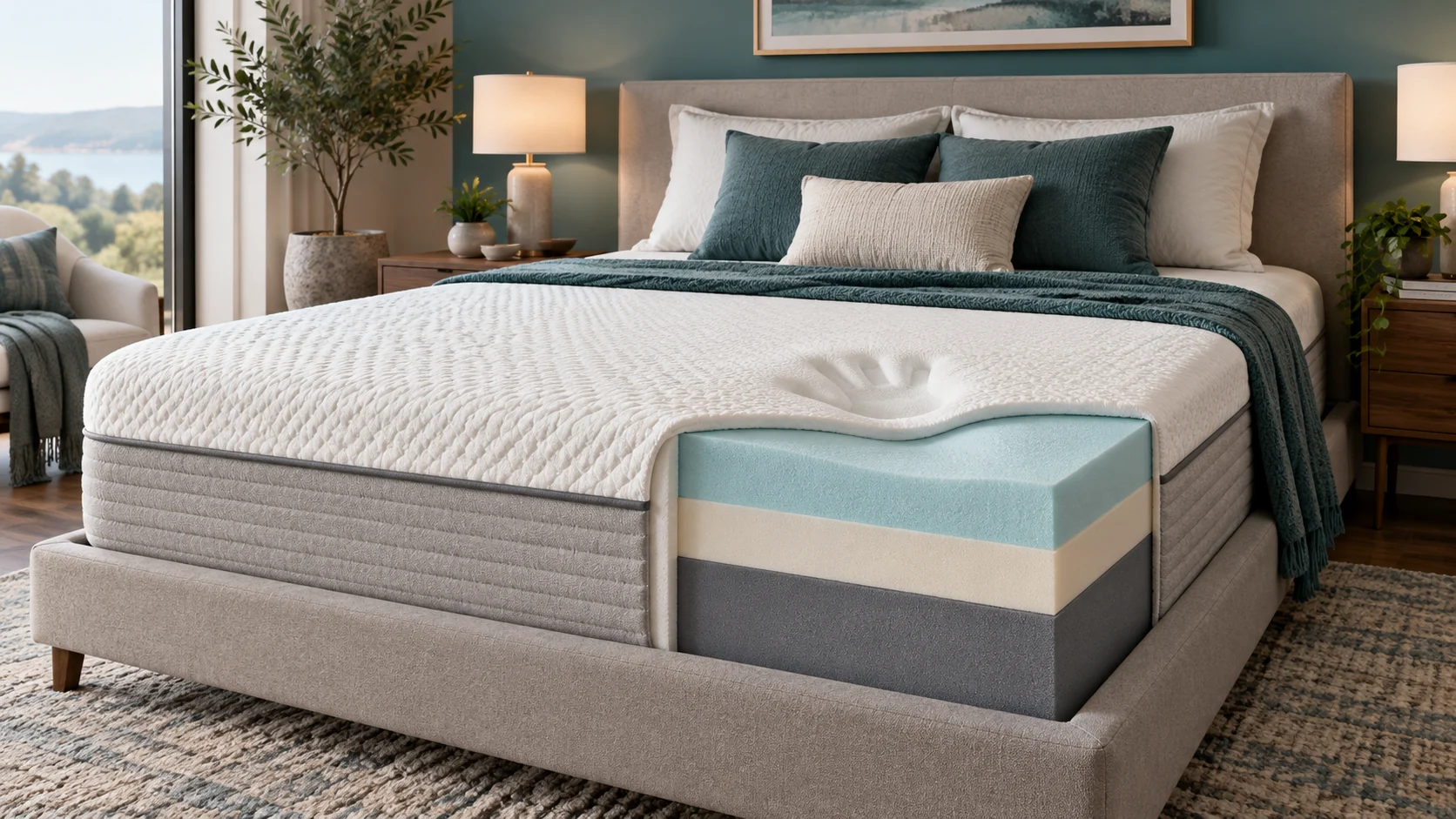
Best Mattresses for Pregnancy
Pregnancy transforms sleep — by the third trimester, many women experience back pain, hip pain, frequent position changes, restless legs, and difficulty staying comfortable in any position. The right mattress can't eliminate all pregnancy sleep challenges, but it can meaningfully reduce pain and improve comfort during a time when quality sleep matters enormously for both mother and baby.
What to Look For
Pressure Relief
Side sleeping (the recommended position in pregnancy) requires excellent pressure relief at the shoulder and hip. As the pregnancy progresses and body weight increases, pressure relief becomes increasingly important.
Lumbar Support
The shifting center of gravity in pregnancy strains the lumbar spine. A mattress with zoned support — softer at the shoulder and hip, firmer under the torso — helps maintain spinal alignment in the side position.
Edge Support
Strong edge support is essential for pregnant women getting in and out of bed — especially in the third trimester when mobility is reduced. A mattress that compresses significantly at the edge is a fall risk.
Responsiveness
Frequent position changes throughout the night are common during pregnancy. A responsive mattress (latex or hybrid) makes repositioning easier than slow-response memory foam.
Chemical Safety
Certifications like GREENGUARD Gold, CertiPUR-US®, and GOLS/GOTS organic are more relevant during pregnancy. Minimize exposure to off-gassing chemicals during a new mattress purchase.
Features to Prioritize
- ✓High pressure relief (7+/10) for side sleeping
- ✓Strong edge support for safe entry/exit
- ✓Responsive construction (hybrid or latex) for position changes
- ✓GREENGUARD Gold or CertiPUR-US® certification
- ✓Medium firmness (5–6.5/10) — firm enough for support, soft enough for comfort
Features to Avoid
- ✗Very soft mattresses that allow hip sinking and spinal misalignment
- ✗Very firm mattresses that create pressure at shoulder and hip
- ✗Slow-response memory foam for active position-changers
- ✗Uncertified foams with unknown off-gassing
Our Top Picks for Pregnancy
Ranked by a weighted score based on the factors that matter most for pregnancy.
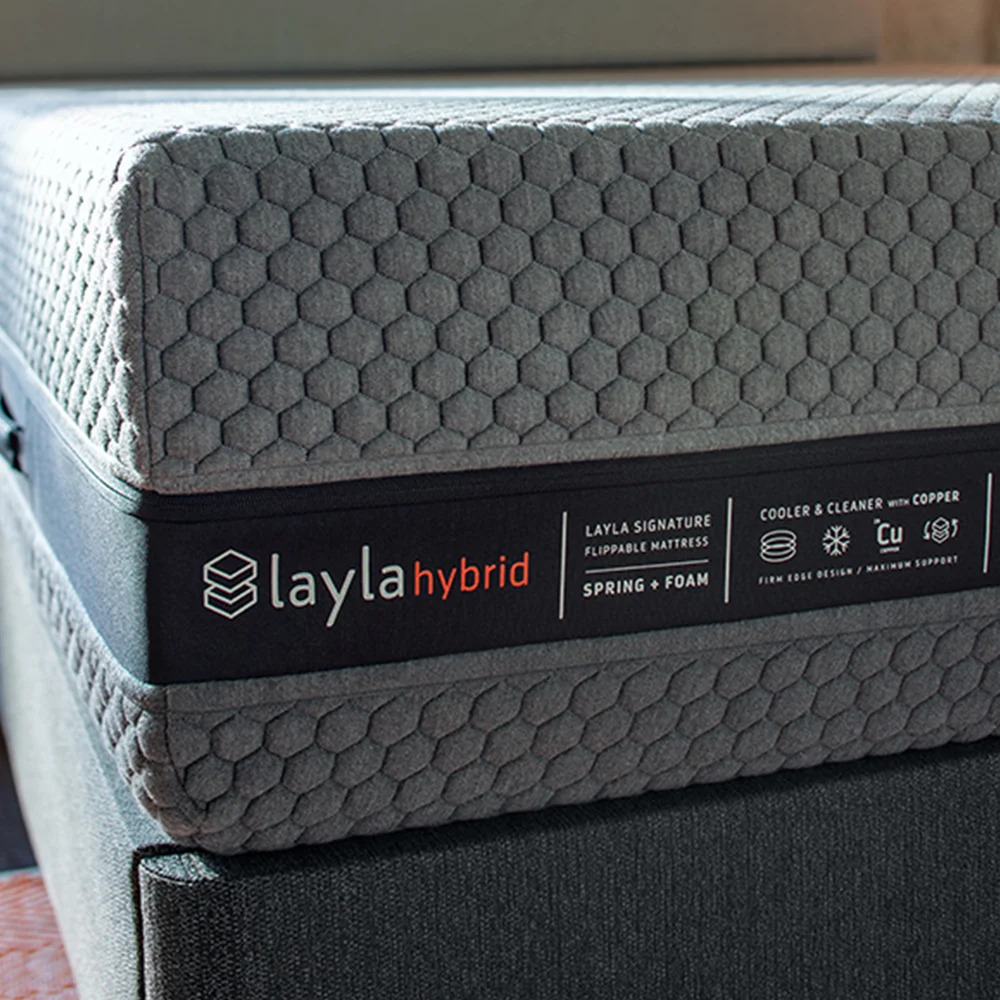
Best for: Couples choosing between two firmnesses · Side and combination sleepers wanting a softer surface with a firmer fallback
Why it stands out: Both sleep surfaces use 3.5-pound copper-gel Memory Foam, with softer 23-ILD airflow foam on one side and firmer 40-ILD airflow foam on the other
Keep in mind: Both sides still use Memory Foam, so flipping changes firmness rather than creating a buoyant latex or traditional pillow-top feel
Buy with confidence
30-night at-home comfort trial at Layla
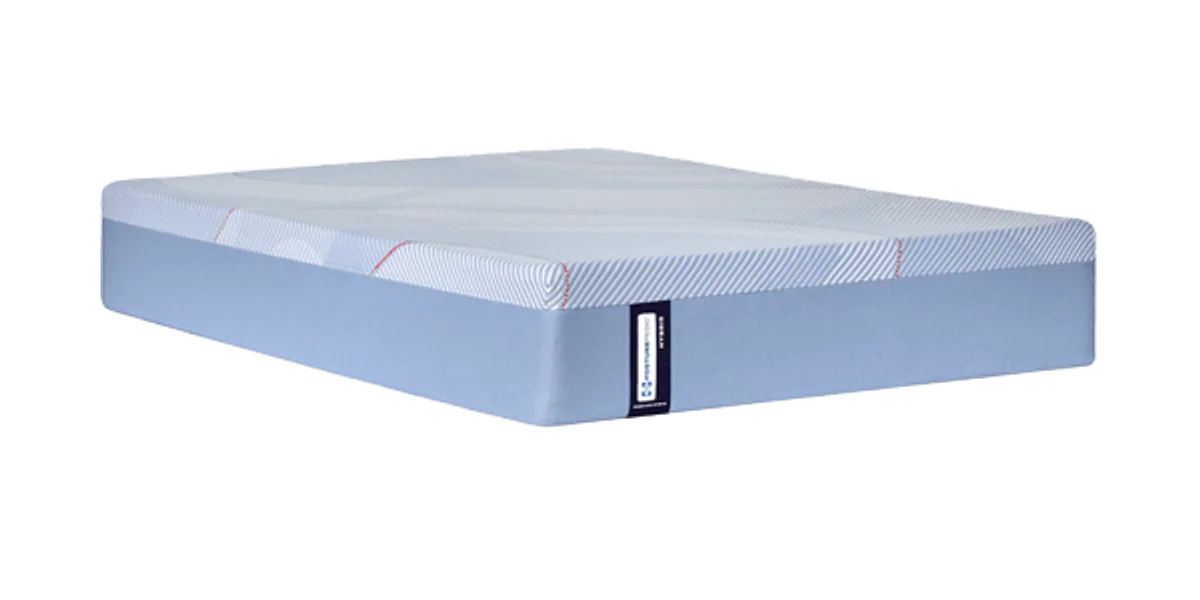
Best for: Back sleepers · Combination sleepers
Why it stands out: Hybrid construction combines foam cushioning with coil support
Keep in mind: Only one firmness option: Medium
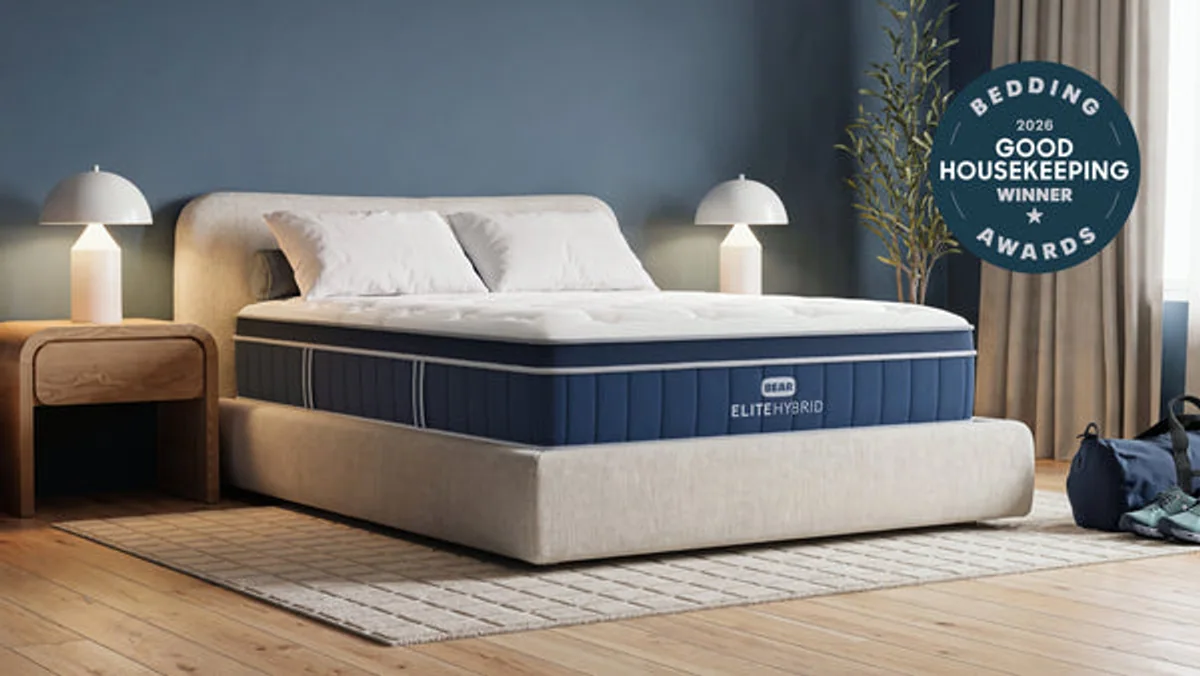
Best for: Side sleepers · Back sleepers
Why it stands out: Strong edge support from reinforced coils
Keep in mind: More responsive than a deep all-foam contour
Buy with confidence
120-night direct-purchase comfort trial at Bear
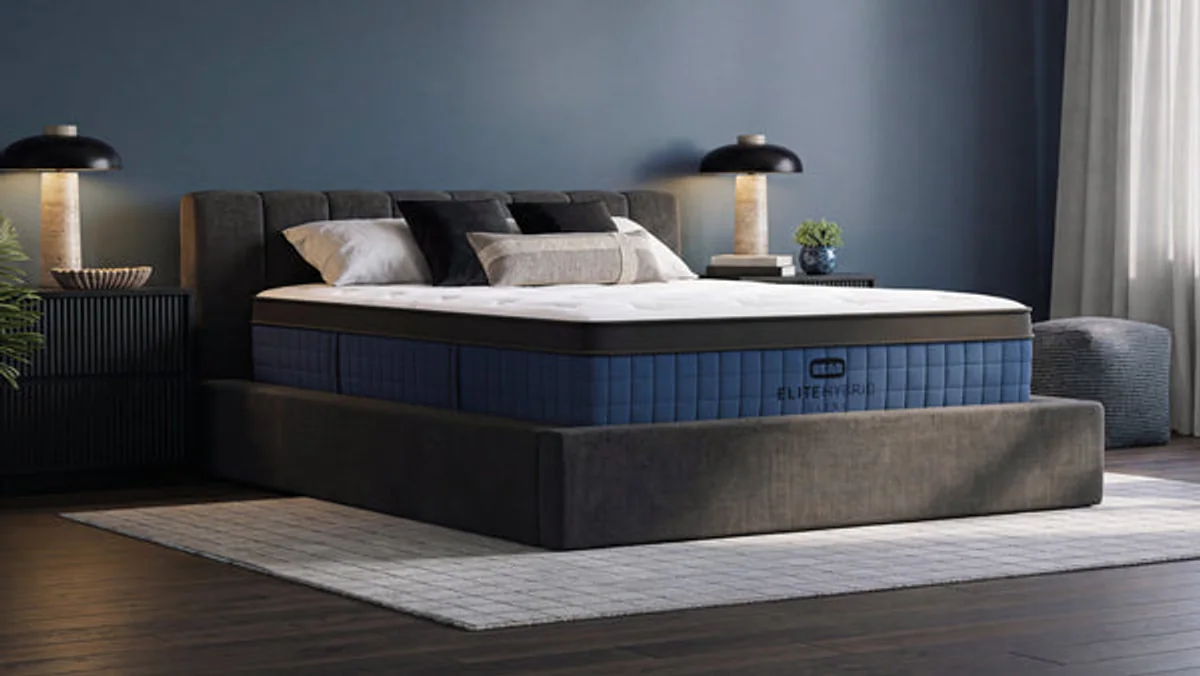
Best for: Side sleepers · Back sleepers
Why it stands out: Most responsive and cooling-focused Bear model
Keep in mind: Responsive microcoil feel is less slow-contouring than all-foam
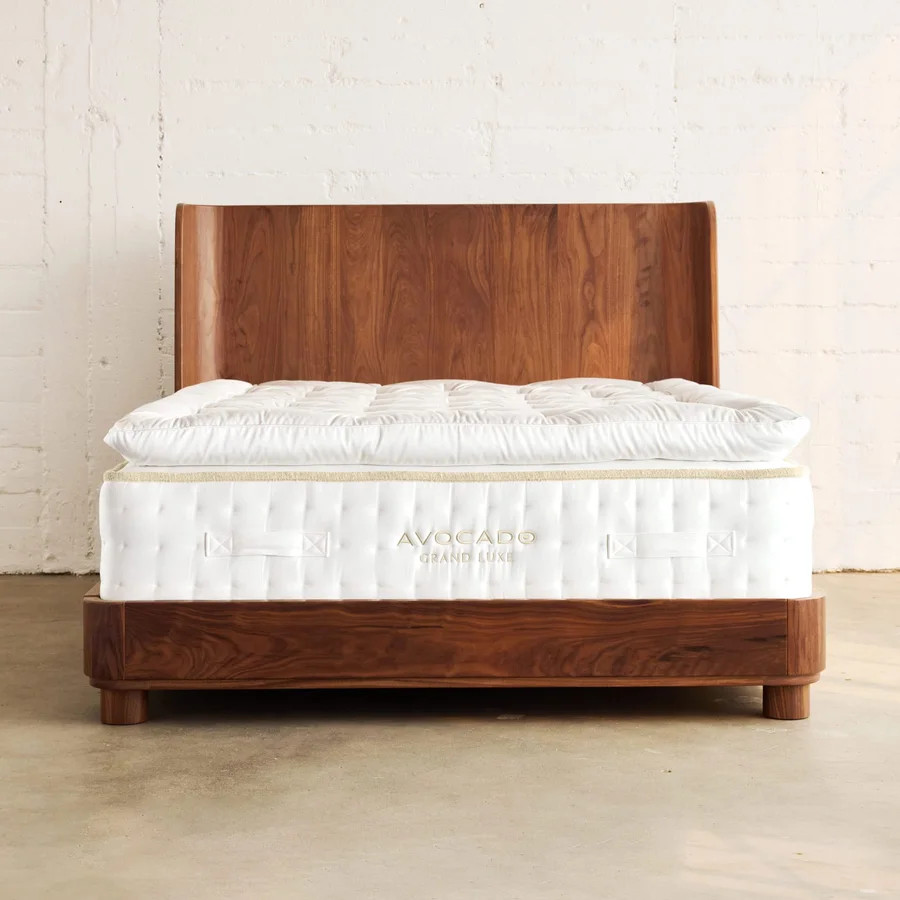
Best for: Side sleepers · Shoppers wanting responsive plushness
Why it stands out: Its two inches of latex and spring-dense pillow top favor responsive pressure relief instead of slow memory-foam contouring
Keep in mind: Medium Plush can allow too much hip sink for some stomach sleepers or shoppers who prefer to sleep on top of the surface
Buy with confidence
1-year direct-purchase comfort trial at Avocado
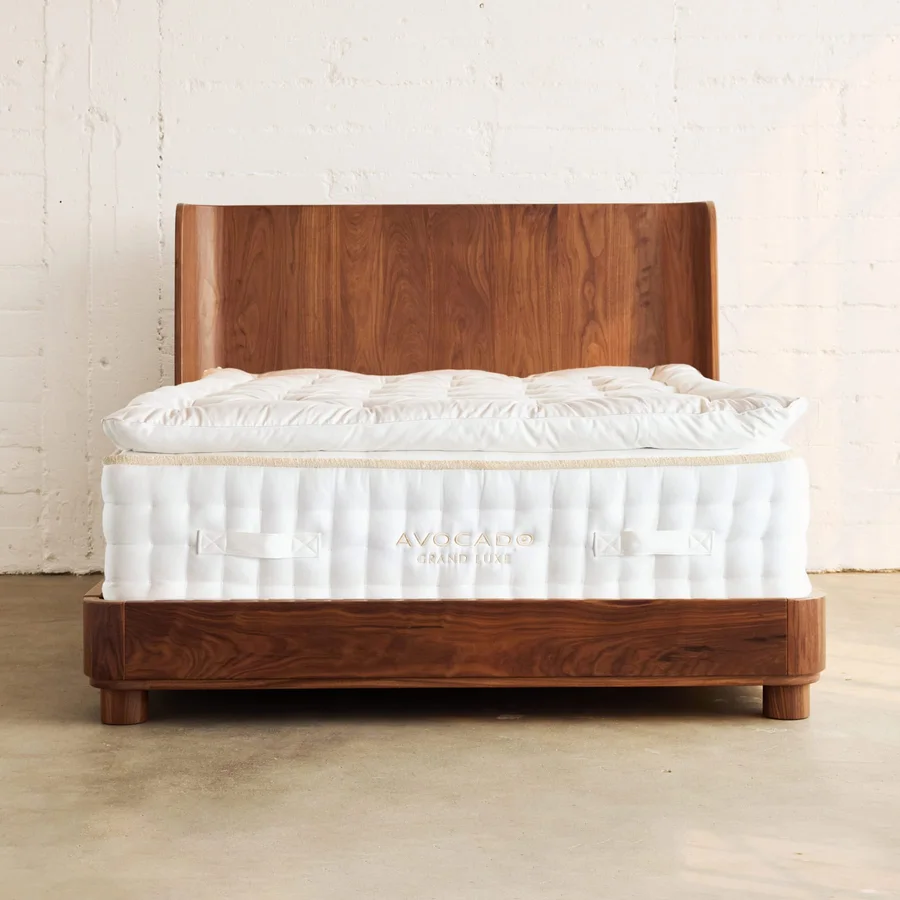
Best for: Dedicated side sleepers · Ultra plush shoppers
Why it stands out: It is the deepest and softest Grand Luxe model, with the collection's highest published latex depth and AvoSpring maximum
Keep in mind: Ultra Plush is a specialized feel that can let the hips settle too deeply for many stomach and firm-feel back sleepers
Buy with confidence
1-year direct-purchase comfort trial at Avocado
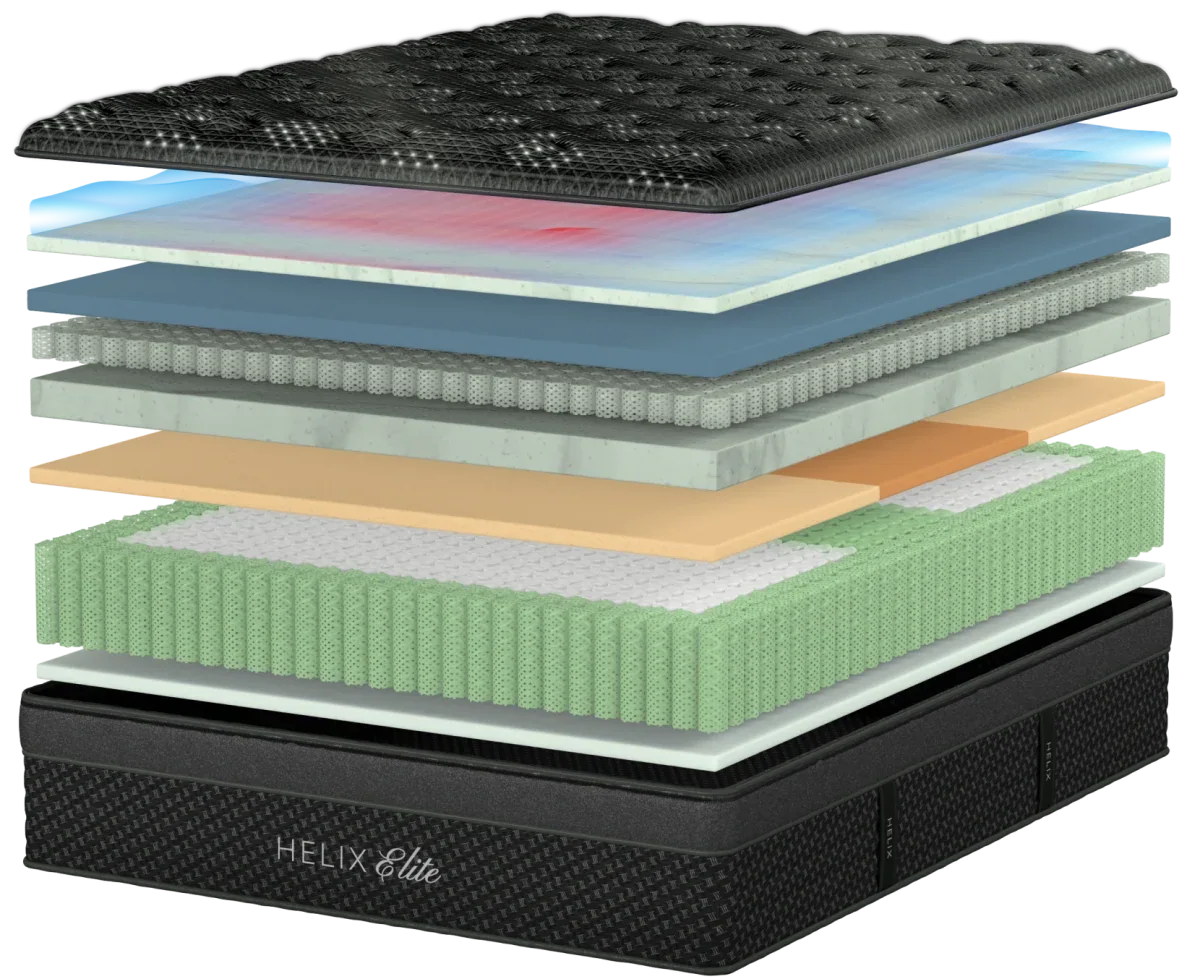
Best for: Side sleepers · Soft feel shoppers
Why it stands out: GlacioTex Elite cooling cover included
Keep in mind: Optional CoolForce layer costs extra
Buy with confidence
120-night Happy with Helix comfort trial at Helix
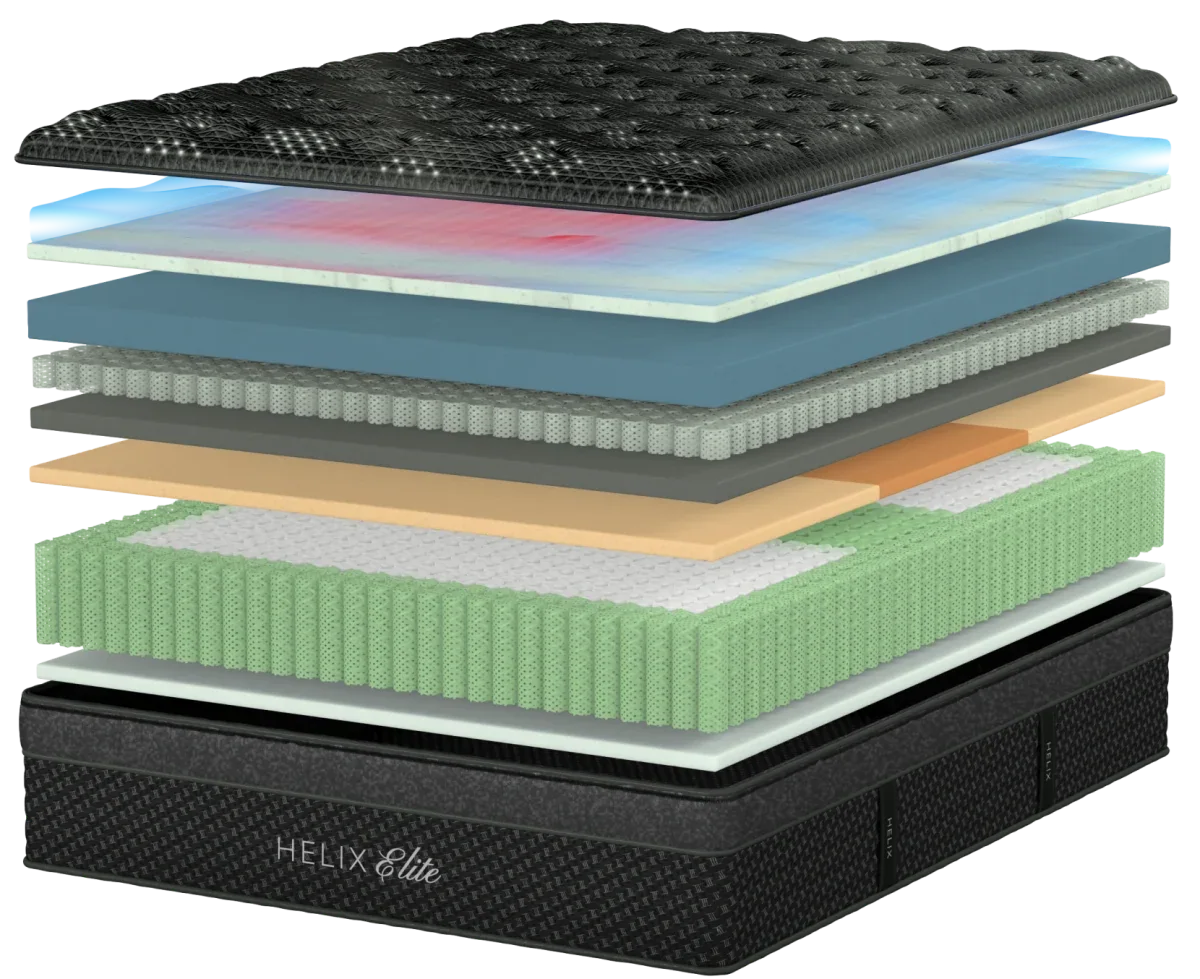
Best for: Side sleepers · Medium feel shoppers
Why it stands out: GlacioTex Elite cooling cover included
Keep in mind: Optional CoolForce layer costs extra
Buy with confidence
120-night Happy with Helix comfort trial at Helix
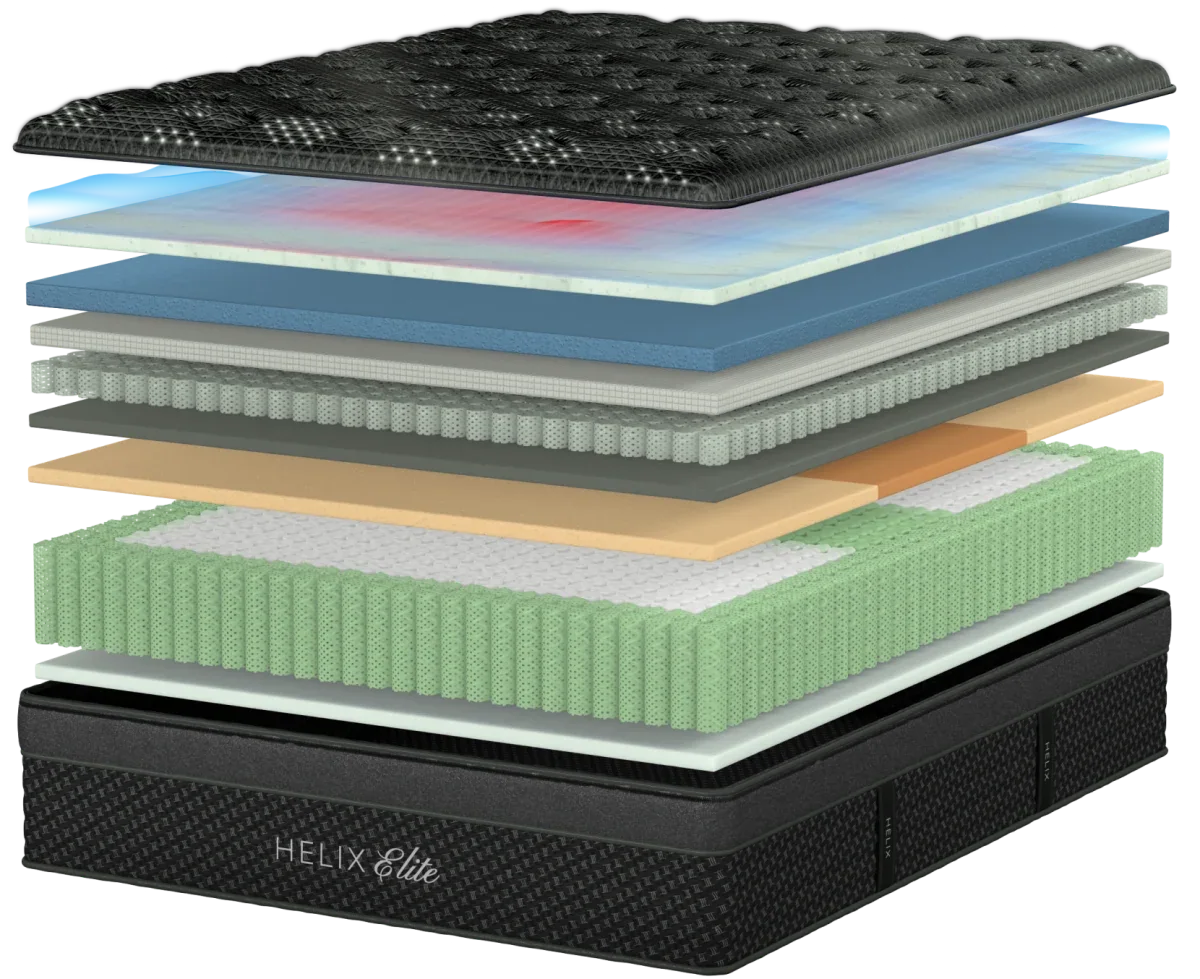
Best for: Back and stomach sleepers · Soft feel shoppers
Why it stands out: GlacioTex Elite cooling cover included
Keep in mind: Optional CoolForce layer costs extra
Buy with confidence
120-night Happy with Helix comfort trial at Helix
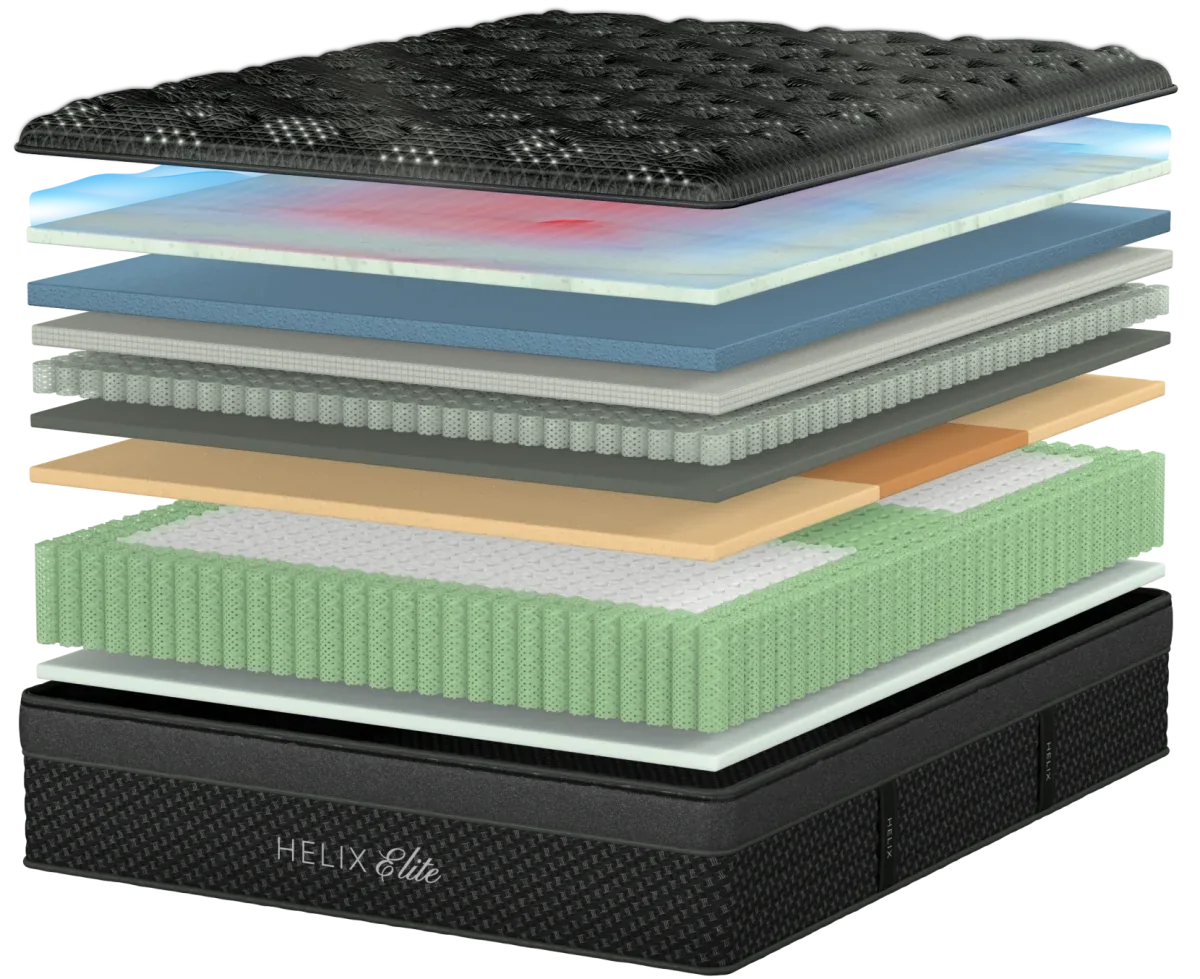
Best for: Back and stomach sleepers · Medium feel shoppers
Why it stands out: GlacioTex Elite cooling cover included
Keep in mind: Optional CoolForce layer costs extra
Buy with confidence
120-night Happy with Helix comfort trial at Helix
Best Mattresses for Pregnancy — Frequently Asked Questions
What sleep position is recommended during pregnancy?
The SOS position (Sleep On Side) is recommended by OBGYNs, particularly in the third trimester. Left-side sleeping improves blood flow to the placenta and reduces pressure on the inferior vena cava (the major vein carrying blood to the heart). A pregnancy body pillow can help maintain this position.
Is my current mattress safe during pregnancy?
An existing mattress is generally fine if it's in good condition and provides adequate support. However, if your mattress is sagging, more than 7 years old, or causing pain, pregnancy is a good reason to replace it. A new mattress should be given 1–2 weeks to off-gas before sleeping on it if possible.
What firmness is best for pregnancy?
Medium to medium-soft (4.5–6/10) is typically recommended for pregnancy. The growing belly changes weight distribution significantly by the third trimester, often requiring more pressure relief than pre-pregnancy firmness preferences.
Can a pregnancy body pillow replace a good mattress?
No — a body pillow improves positioning but can't compensate for a mattress that's too firm, too soft, or sagging. Ideally, both a supportive mattress and a body pillow work together.
Should I buy a new mattress before my baby arrives?
If your mattress needs replacement, buying 2–3 months before your due date is ideal. This gives the mattress time to fully off-gas and allows you to benefit from improved sleep during the third trimester, when sleep quality is often worst.