Best Fitness Trackers for Sleep
Fitness bands keep sleep and daytime activity in one narrower wrist device. The picks below split across four use cases: training and recovery decisions (WHOOP), everyday tracking with a cross-platform app (Fitbit), no-subscription Garmin ownership (Vivosmart), and a lower-cost starting point (Amazfit). Compare the features, battery, membership structure, and form you will use consistently; treat every consumer sleep-stage result as an estimate.
How We Ranked
- ✓Sleep stage detection with PPG sensor minimum
- ✓Companion app with multi-week trend visualization
- ✓Battery life of at least 5 days per charge
- ✓Cross-platform (iOS + Android) or major-ecosystem optimization
Our Methodology
We compared fitness bands with PPG-based sleep stage detection, multi-day battery life, and active companion apps. Bands without continuous heart rate, those with looped-firmware accuracy issues, or those without sleep score outputs were excluded. Methodology is research-based using manufacturer documentation and consolidated owner reports.
| Rank | Product | Price | Accuracy | App | Value |
|---|---|---|---|---|---|
| #1 | Whoop WHOOP One with 5.0 (12-Month Membership) Optical heart rate, SpO2, skin temperature, accelerometer | Check current Amazon price | Excellent | Excellent | Good |
| #2 | Fitbit Charge 6 PPG, ECG, SpO2, skin temperature, GPS, accelerometer | Check current Amazon price | Very good | Very good | Excellent |
| #3 | Garmin Vívosmart 5 PPG, SpO2, accelerometer | Check current Amazon price | Very good | Very good | Excellent |
| #4 | Amazfit Band 7 PPG, SpO2, accelerometer | New units currently unavailable | Good | Good | Excellent |
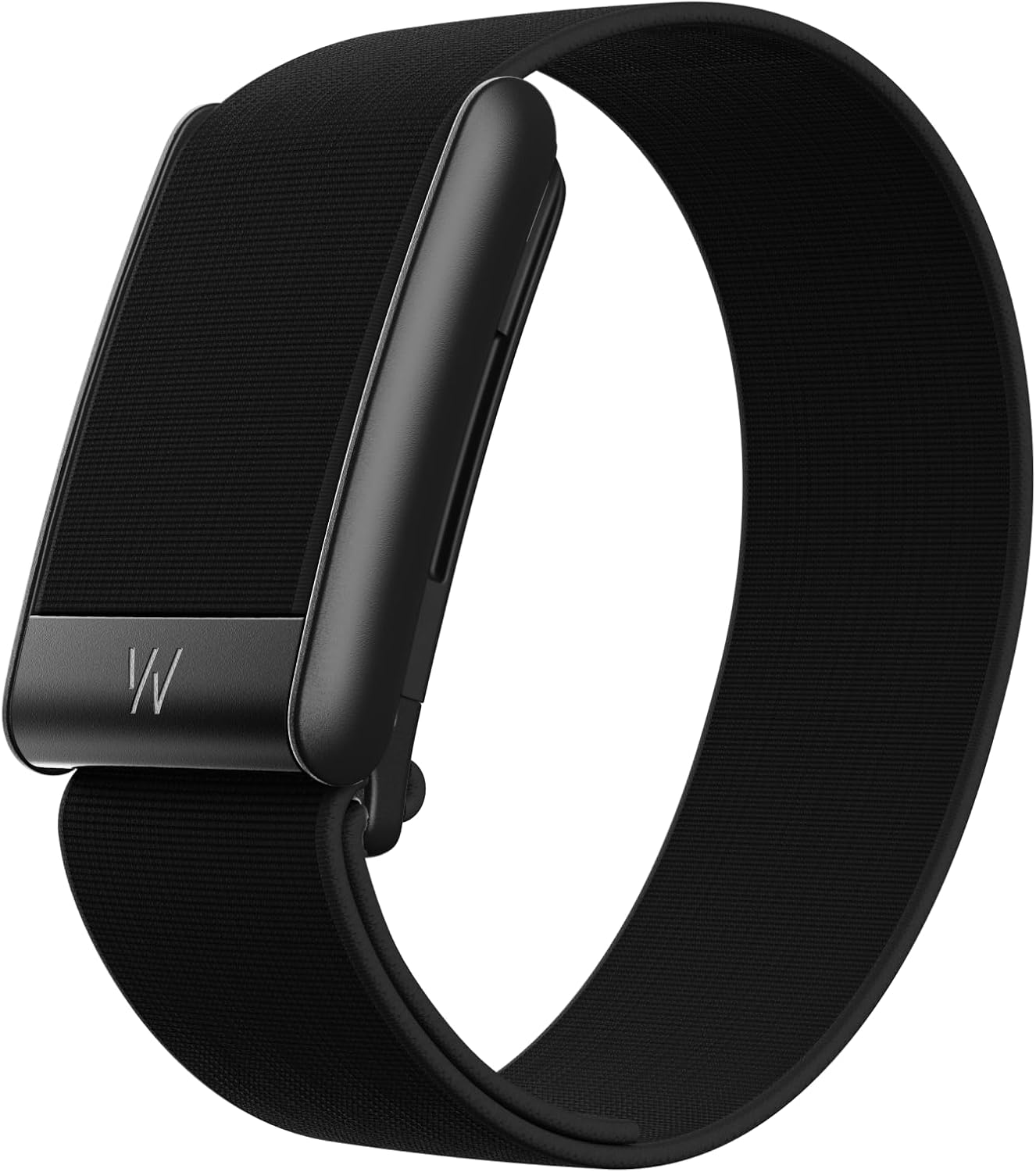
WHOOP One pairs the current WHOOP 5.0 screenless tracker with a full year of sleep, strain, and recovery coaching. Its 14+ day battery is the practical reason to choose it over the retired 4.0, while the lower One tier keeps the first-year cost to $199.
- ✓Best fit for athletes who want daily training decisions tied to sleep and recovery
- ✓14+ day battery makes consistent overnight data easier to maintain
- ✓The journal helps show which routines repeatedly help or hurt recovery
- −The tracker depends on an active membership after the included year
- −The included Basic Charger does not provide the on-body charging of the optional Wireless PowerPack

Fitbit's flagship fitness band — the best balance of sleep tracking, fitness features, and price in the under-$200 range. Includes GPS, ECG, SpO2, skin temperature, and Google Maps + Wallet on the wrist. Sleep Score is free; the deeper Sleep Profile insights require Fitbit Premium.
- ✓Cheapest path to Fitbit's premium sleep platform
- ✓Seven-day battery is best-in-class for a tracker with GPS
- ✓Genuinely cross-platform (iOS + Android)
- −Sleep Profile (deeper monthly insights) requires Premium subscription
- −No app store — single-purpose tracker

Garmin's most comfortable everyday tracker, designed for users who want serious sleep + recovery data without a subscription. Body Battery is Garmin's recovery score and it's surprisingly accurate. The 5 added a larger OLED display and ditched the proprietary charging cable for USB-C.
- ✓Best value in fitness trackers — no subscription, no Premium tier
- ✓Body Battery is genuinely useful and well-validated
- ✓Garmin Connect ecosystem is the deepest in fitness tracking
- −No built-in GPS — needs phone for accurate run mapping
- −App design less polished than Fitbit or Apple Health
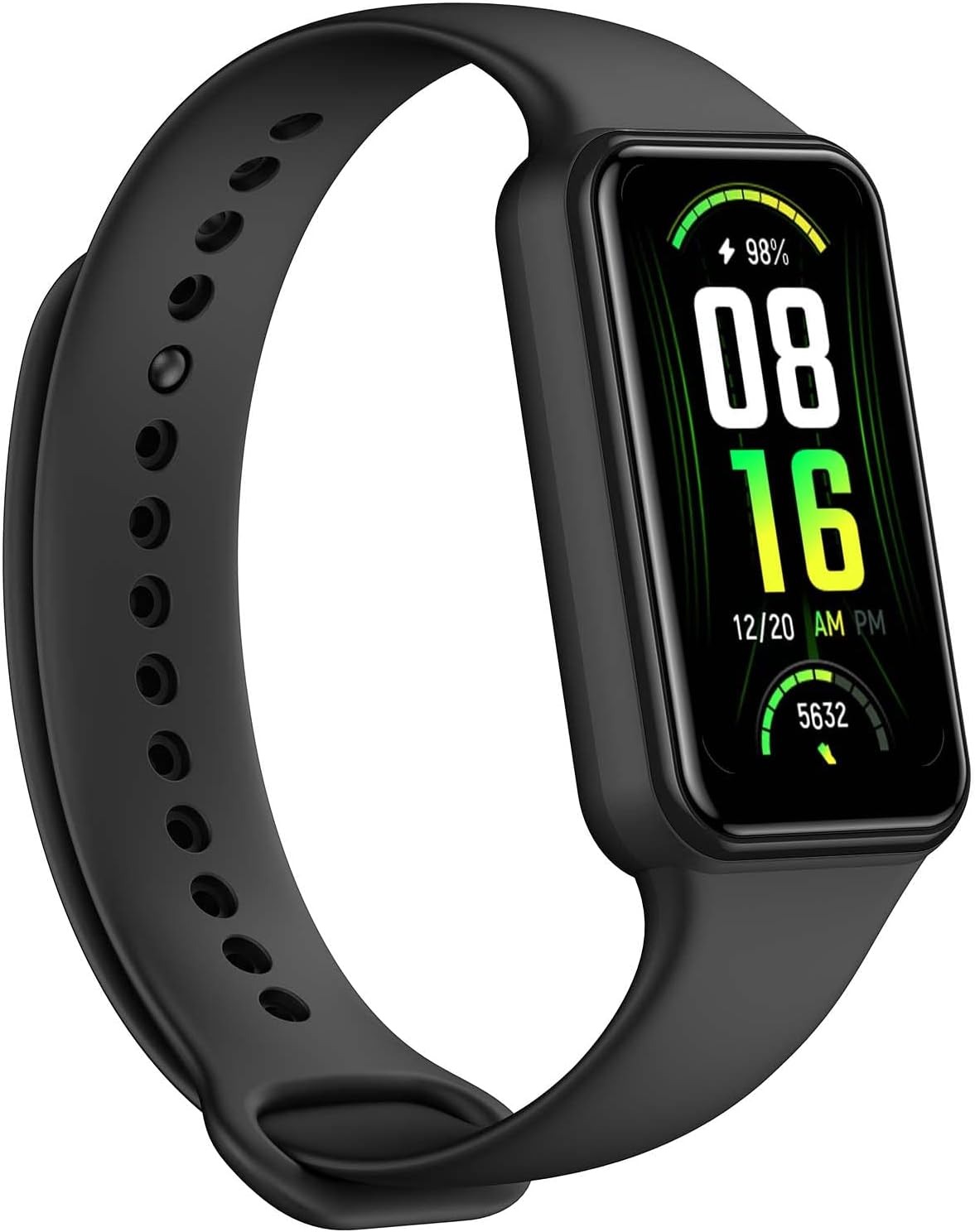
The cheapest credible sleep tracker on the market — under $50, 18-day battery, 1.47-inch AMOLED display, and Alexa built in. Sleep stage accuracy lags Oura and Fitbit but is more than acceptable for someone who just wants to see whether they slept badly last night.
- ✓Cheapest credible sleep tracker — under $50
- ✓Battery life leaves every other tracker in the dust
- ✓Bright AMOLED display rivals trackers costing 3× as much
- −Sleep stage accuracy noticeably less reliable than Fitbit/Oura/Apple
- −Zepp app is less polished than Fitbit or Garmin Connect
Frequently Asked Questions
Is WHOOP One worth $199 a year?
It can be for athletes who will change training based on daily recovery, strain, and sleep guidance. The $199 exact Amazon offer includes current WHOOP 5.0 hardware and the first 12 months. For everyday sleep trends without an annual membership, Fitbit Charge 6 or Garmin Vivosmart 5 is the better fit.
Fitbit Charge 6 vs Garmin Vivosmart 5?
Fitbit Charge 6 has the better sleep platform (Sleep Score is the gold standard for daily sleep summaries), built-in GPS, and Google Maps + Wallet on the wrist. Garmin Vivosmart 5 has Body Battery (a genuinely useful recovery metric), no required subscription for deeper insights (Fitbit gates Sleep Profile behind Premium), and Garmin Connect's deeper fitness ecosystem. Pick Fitbit for sleep-first; pick Garmin for fitness-first.
Are budget fitness trackers accurate enough for sleep tracking?
For total sleep time and bad-night detection, yes — even the $50 Amazfit Band 7 catches obvious sleep disruption reliably. For sleep stage classification (telling REM from deep from light), budget trackers lag significantly behind Fitbit, Garmin, and the top-tier rings. If you want to optimize sleep behavior based on stage data, spend more; if you want directional sleep insights, budget trackers are fine.
More Sleep Tech Rankings
Shopping for a mattress too?
Take our 2-minute quiz and get a personalized recommendation based on your sleep position, budget, and preferences.
Find My Match