Best Sleep Trackers
There's no single best sleep tracker — the right one depends on whether you'd rather wear a ring, a watch, or nothing at all. The picks below cover rings, smartwatches, fitness bands, and an under-mattress pad. We compare the literal hardware, battery, subscription, compatibility, and seller differences, then explain who benefits. Treat consumer sleep stages as estimates and focus on patterns across many nights.
How We Ranked
- ✓Sleep stage detection (light, deep, REM) backed by published validation
- ✓Continuous heart-rate variability monitoring
- ✓Battery life sufficient for at least 24 hours of overnight wear
- ✓Companion app with sleep insights — not just raw data dumps
Our Methodology
We restricted the field to sleep trackers with published validation data or strong third-party clinical comparisons (Oura, Whoop, Apple Watch). We further filtered for trackers comfortable enough to wear overnight, with companion apps that surface sleep insights rather than just raw sensor data. Trackers that require taking off mid-sleep (early Apple Watches without watchOS 9, most basic fitness bands) were excluded. We did not run polysomnography ourselves — methodology is research-based using third-party validation studies.
| Rank | Product | Price | Accuracy | App | Value |
|---|---|---|---|---|---|
| #1 | Oura Ring 5 Infrared/red/green PPG, digital temperature, accelerometer, SpO2 | Check current Amazon price | Excellent | Excellent | Good |
| #2 | Whoop WHOOP One with 5.0 (12-Month Membership) Optical heart rate, SpO2, skin temperature, accelerometer | Check current Amazon price | Excellent | Excellent | Good |
| #3 | Apple Watch Series 12 (42mm GPS) Health Sensing System: optical/electrical heart, SpO2, temperature, accelerometer, gyroscope | From $399 | Very good | Excellent | Very good |
| #4 | Fitbit Charge 6 PPG, ECG, SpO2, skin temperature, GPS, accelerometer | Check current Amazon price | Very good | Very good | Excellent |
| #5 | Withings Sleep — Under-Mattress Tracker Pneumatic + sound sensor (no body contact) | Check current Amazon price | Very good | Very good | Very good |
| #6 | Ultrahuman Ring PRO Redesigned PPG, temperature, 6-axis IMU | $479 preorder | Very good | Very good | Excellent |

Oura's newest smart ring is 40% smaller by volume than Ring 4, with a thinner all-titanium body that is easier to forget about overnight. It pairs detailed sleep and recovery trends with Oura's polished Readiness and Sleep scores.
- ✓Slimmer, lighter construction is especially helpful if rings feel bulky at night
- ✓Long battery life makes continuous overnight tracking easier than a daily-charge watch
- ✓Oura's app turns sleep, recovery, and activity trends into clear daily guidance
- −$5.99/month membership is required for full insights after the first month for new members
- −Ring 5 uses its own sizing; buyers should use the Ring 5 sizing kit first
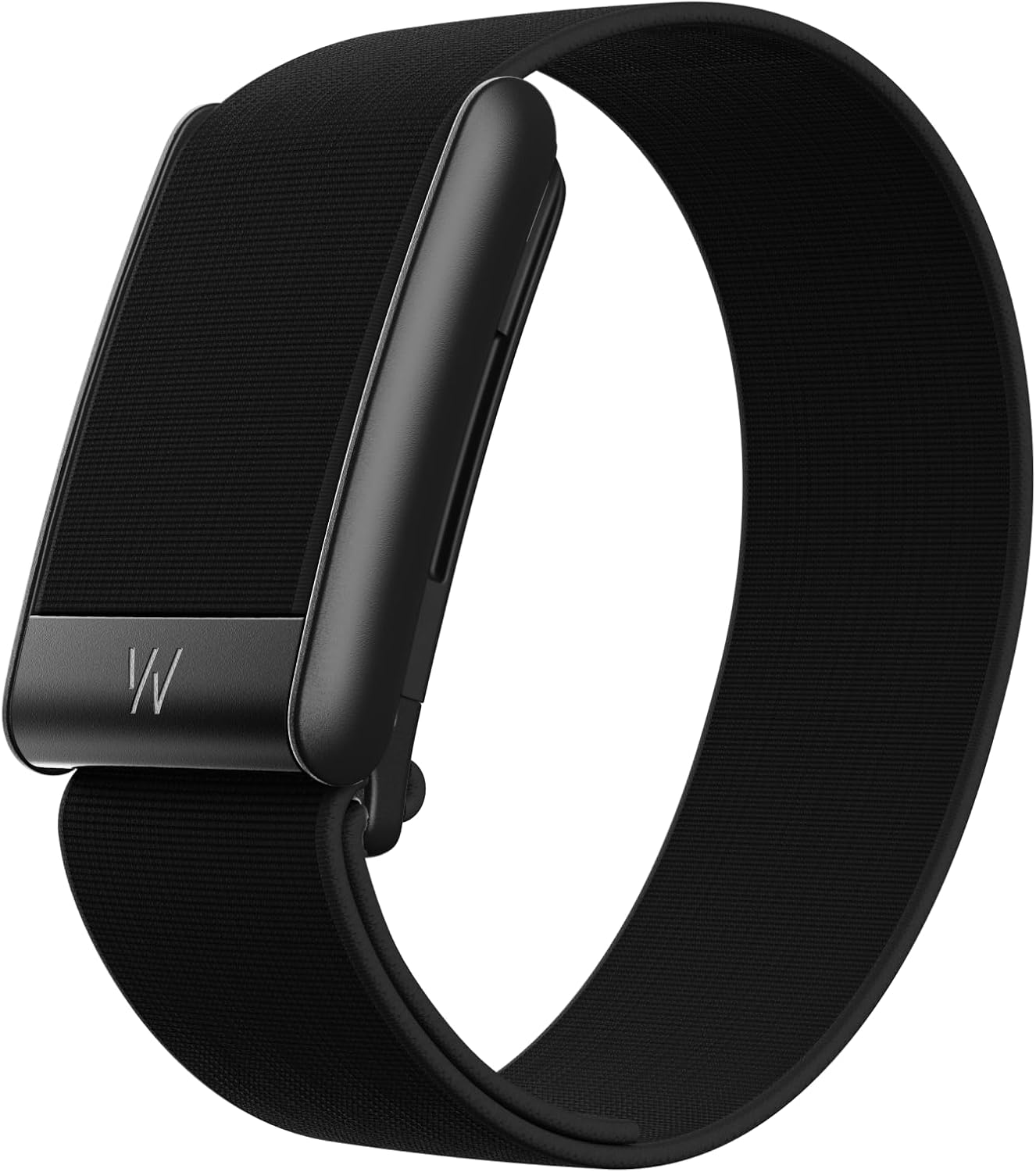
WHOOP One pairs the current WHOOP 5.0 screenless tracker with a full year of sleep, strain, and recovery coaching. Its 14+ day battery is the practical reason to choose it over the retired 4.0, while the lower One tier keeps the first-year cost to $199.
- ✓Best fit for athletes who want daily training decisions tied to sleep and recovery
- ✓14+ day battery makes consistent overnight data easier to maintain
- ✓The journal helps show which routines repeatedly help or hurt recovery
- −The tracker depends on an active membership after the included year
- −The included Basic Charger does not provide the on-body charging of the optional Wireless PowerPack
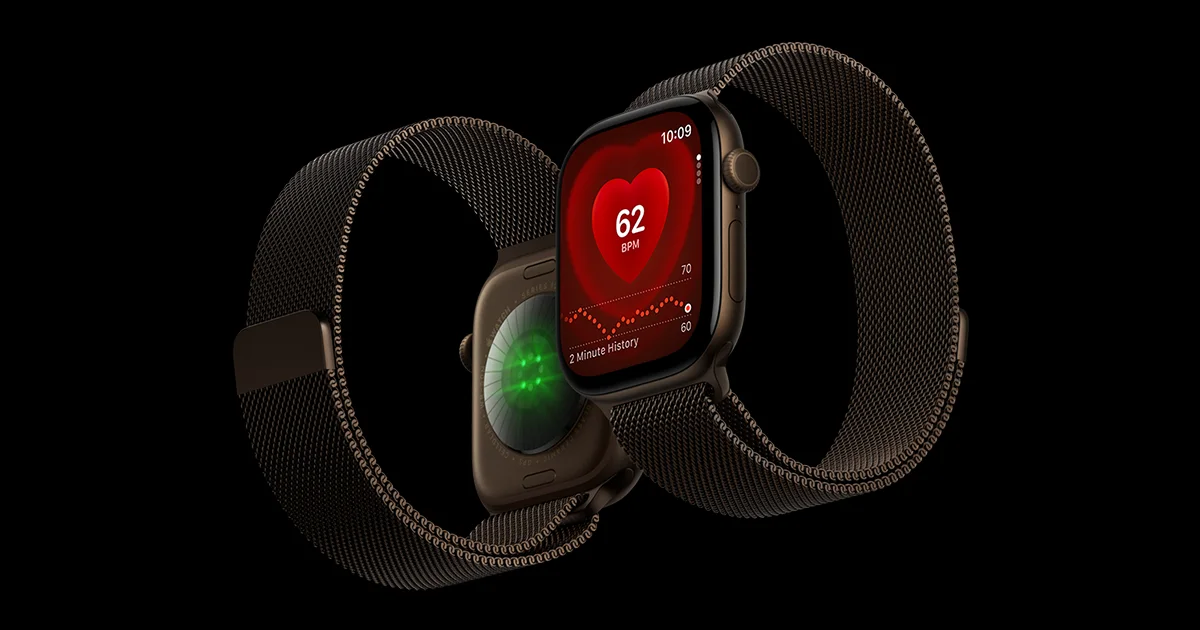
Apple's current flagship adds a nightly sleep score, a readiness score, much more frequent HRV sensing, and up to 24 hours of normal battery life. It is the strongest all-in-one sleep and daytime smartwatch choice for iPhone owners, though it still needs a regular charging routine.
- ✓Best fit for iPhone owners who want sleep data and full daytime smartwatch features together
- ✓The new readiness score explains when recent sleep and recovery support a harder day
- ✓More frequent HRV readings can show overnight and daytime recovery changes in greater detail
- −Apple's direct 14-day return window gives limited time to assess overnight wrist comfort
- −A 24-hour rating still requires a consistent daytime charging window for nightly use

Fitbit's flagship fitness band — the best balance of sleep tracking, fitness features, and price in the under-$200 range. Includes GPS, ECG, SpO2, skin temperature, and Google Maps + Wallet on the wrist. Sleep Score is free; the deeper Sleep Profile insights require Fitbit Premium.
- ✓Cheapest path to Fitbit's premium sleep platform
- ✓Seven-day battery is best-in-class for a tracker with GPS
- ✓Genuinely cross-platform (iOS + Android)
- −Sleep Profile (deeper monthly insights) requires Premium subscription
- −No app store — single-purpose tracker
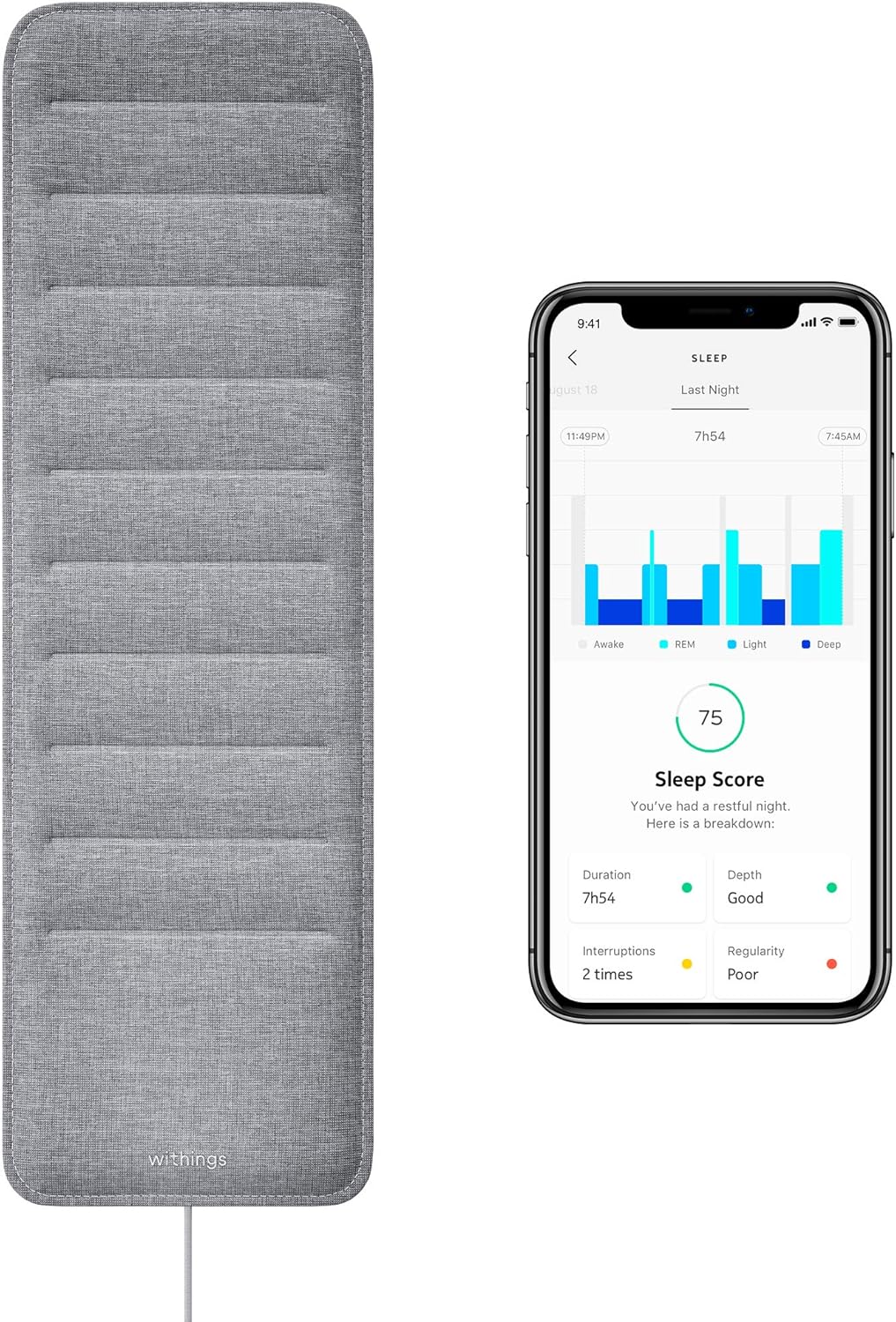
A flat sensor strip that slides under your mattress and tracks sleep stages, heart rate, snoring, and respiratory rate without ever touching your body. The original no-wearable sleep tracker — popular with users who hate sleeping with a watch or ring on.
- ✓Nothing to wear, charge, or remember before bed
- ✓Adds snoring and breathing context to timing and sleep-stage trends
- ✓Amazon's 30-day refund/replacement window gives buyers time to test it under their own mattress
- −Only tracks one person — partners need their own pad
- −Wired install means it stays in one bed
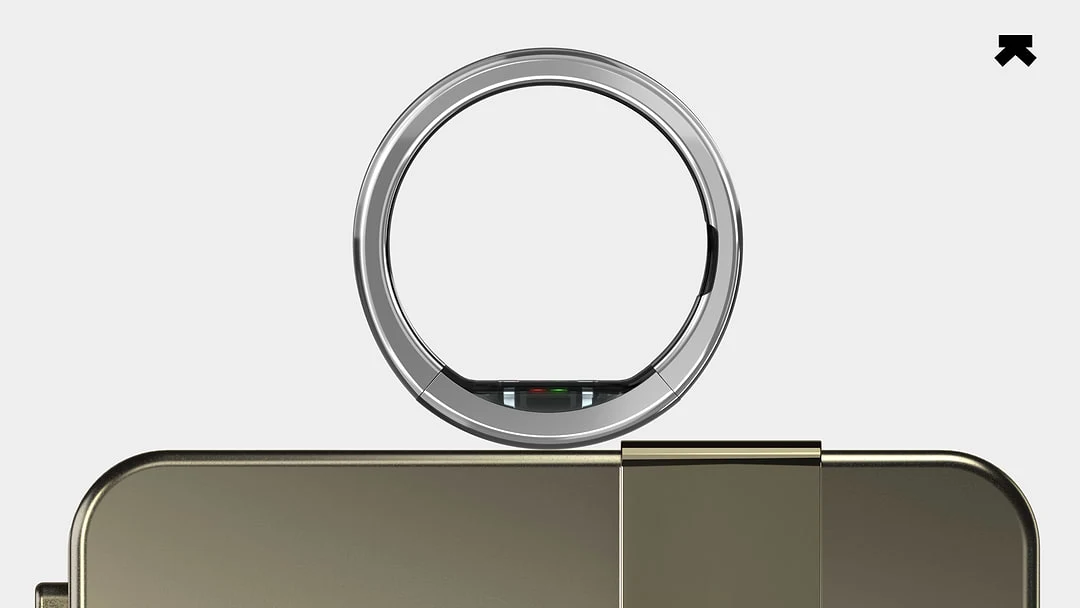
Ultrahuman's long-battery smart ring pairs sleep and recovery trends with up to 15 days on the ring, up to 250 days of on-device storage, and an included charging case. It costs $479 on preorder and does not require a recurring fee for core ring data.
- ✓Long battery reduces charging gaps in overnight trends
- ✓Charging case adds travel power, feedback, and proximity finding
- ✓Core ring data has no required recurring subscription
- −$130 more than Ring AIR at the manufacturer's published prices
- −Heavier than Ring AIR at a published 3.3–4.8 g

Garmin's most comfortable everyday tracker, designed for users who want serious sleep + recovery data without a subscription. Body Battery is Garmin's recovery score and it's surprisingly accurate. The 5 added a larger OLED display and ditched the proprietary charging cable for USB-C.
- ✓Best value in fitness trackers — no subscription, no Premium tier
- ✓Body Battery is genuinely useful and well-validated
- ✓Garmin Connect ecosystem is the deepest in fitness tracking
- −No built-in GPS — needs phone for accurate run mapping
- −App design less polished than Fitbit or Apple Health
Frequently Asked Questions
Which sleep tracker is most accurate?
Oura Ring 5 is our top sleep-first pick because its compact ring form, multi-night battery, and clear Readiness and Sleep scores make consistent overnight tracking easy. WHOOP One is stronger for training decisions, while Apple Watch Series 12 is the better all-in-one choice for iPhone users. Treat any consumer tracker as a tool for trends rather than a substitute for a sleep study.
Do I need a wearable to track sleep?
No. The Withings Sleep mat sits under your mattress and tracks sleep stages, snoring, heart rate, and breathing trends without you wearing anything. Its practical advantage is automatic collection without a device on the body. Couples who each want personal data need two correctly positioned mats because one mat tracks the sleeper directly above it.
Ring or watch — which is better for sleep tracking?
A ring removes the screen and wrist bulk that bother some sleepers, while a watch adds notifications, payments, apps, and more workout controls. Battery varies by model: Ultrahuman publishes up to 15 days for Ring PRO, while current watches generally require more frequent charging. Choose the device you will actually wear and keep charged; consistent trends matter more than a theoretical feature advantage.
More Sleep Tech Rankings
Shopping for a mattress too?
Take our 2-minute quiz and get a personalized recommendation based on your sleep position, budget, and preferences.
Find My Match