The Four Types of Bed Bases
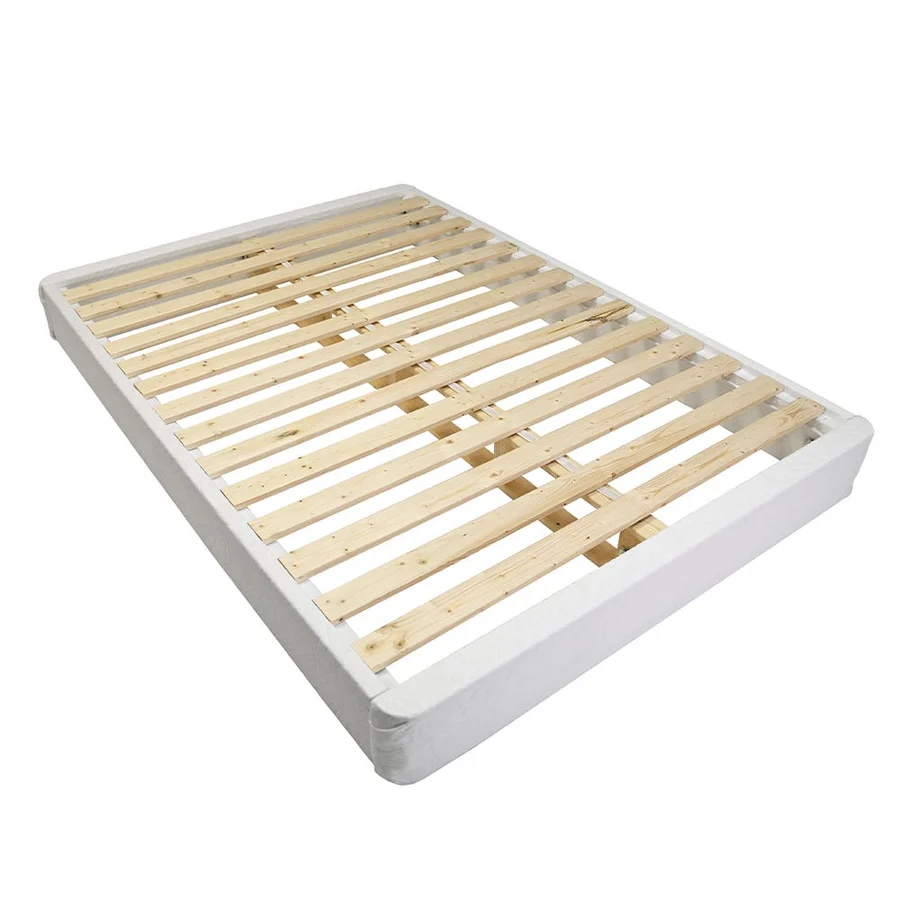
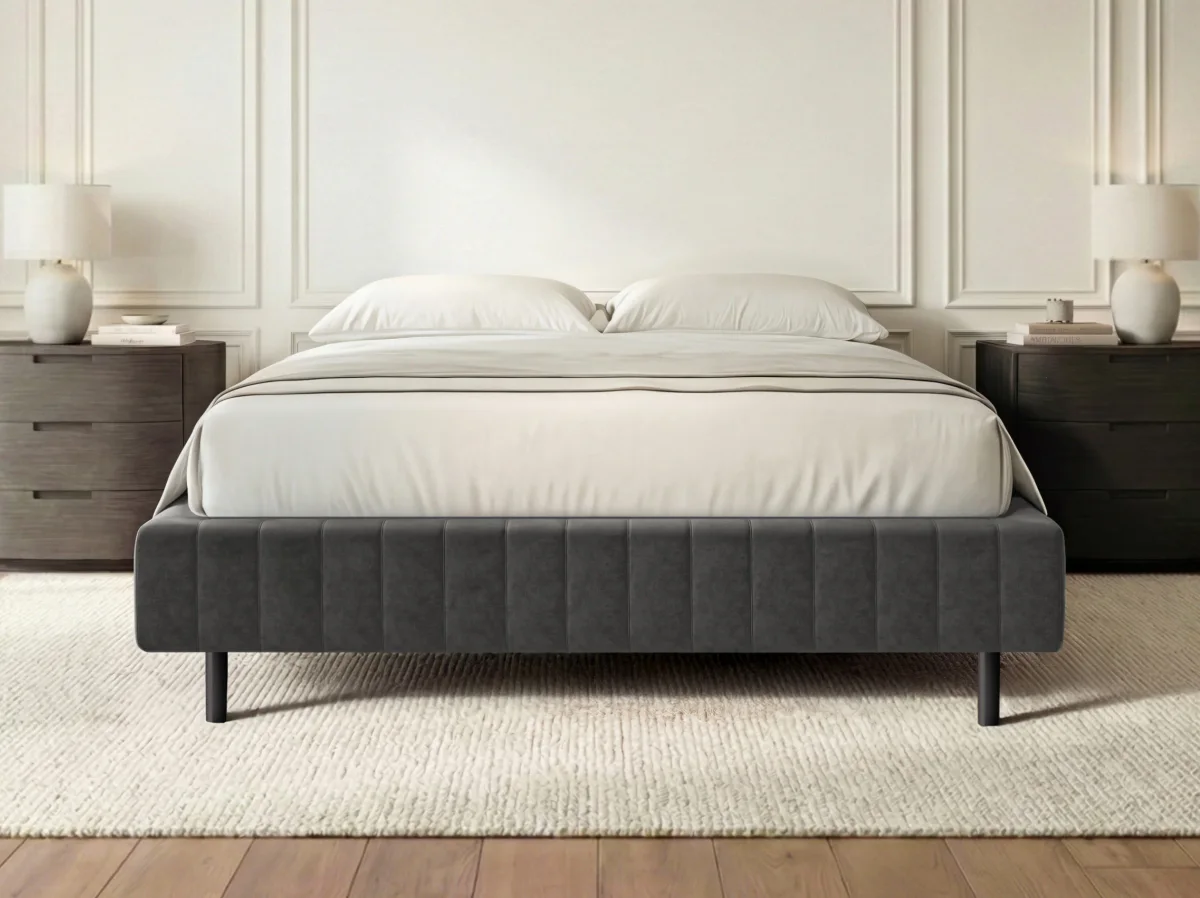
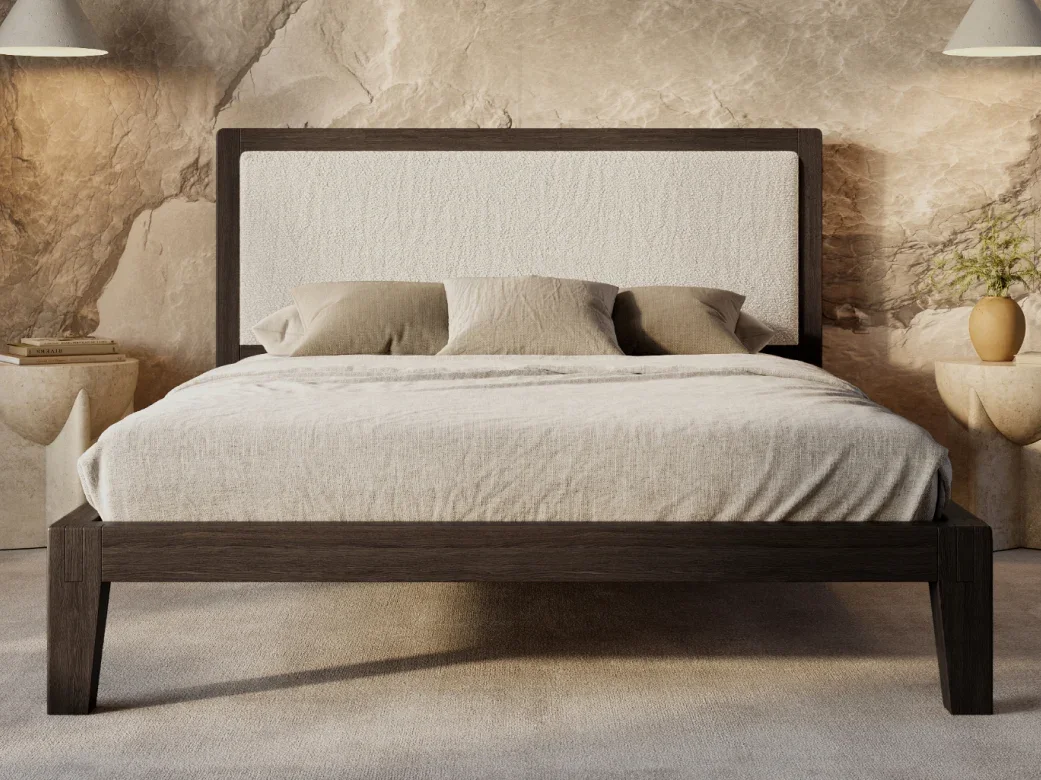
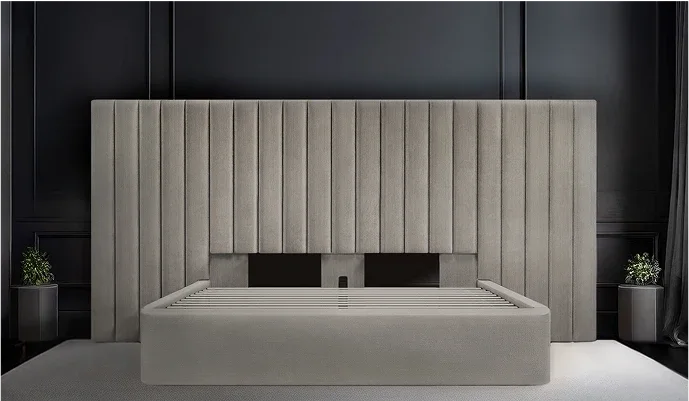
Before choosing a base, it helps to understand what each type actually does and who it's designed for. The four main categories are platform frames, box springs, slatted bases, and adjustable power bases.
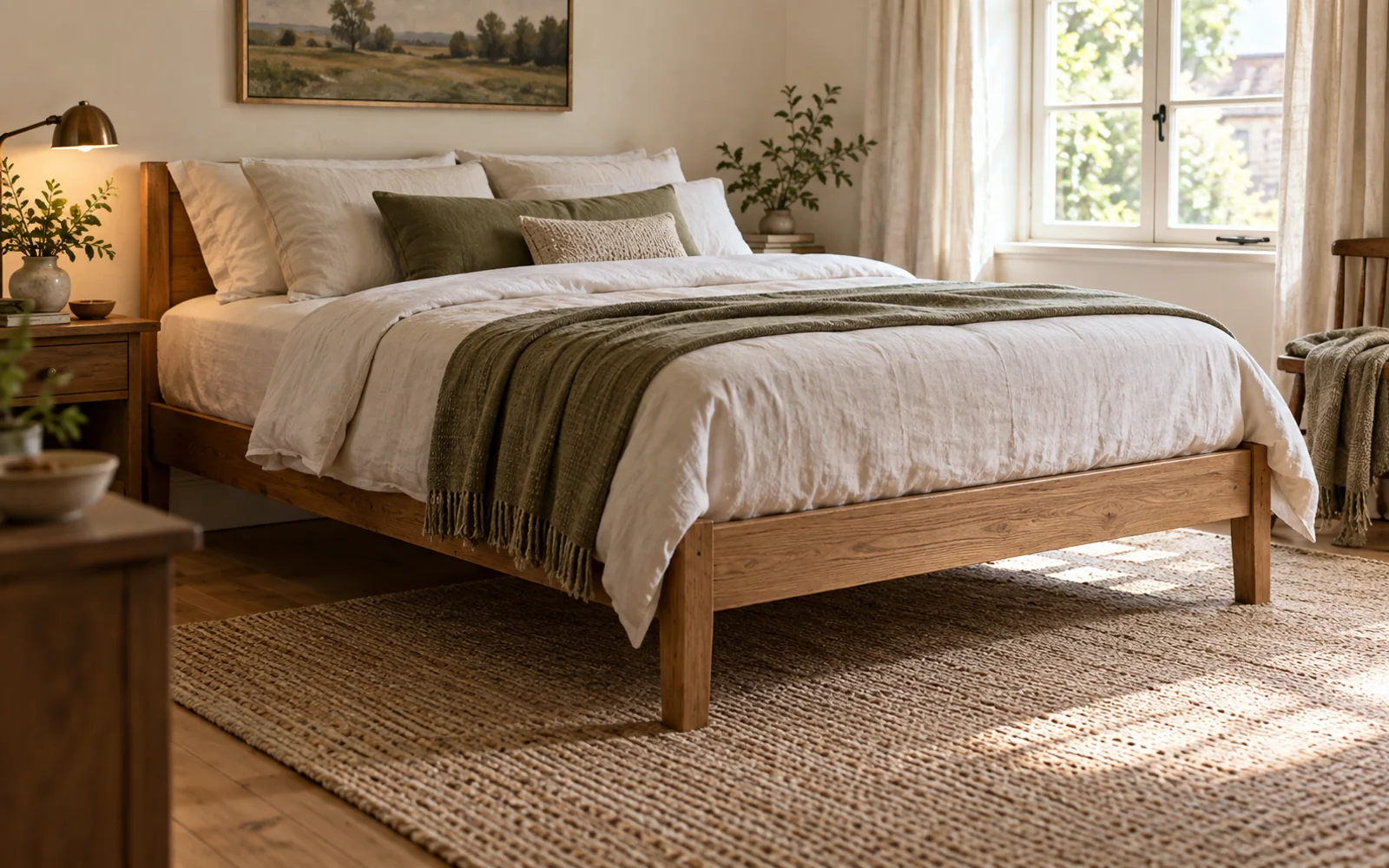
Platform Beds
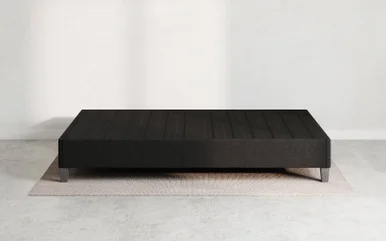
A platform bed has a solid or slatted deck built directly into the frame, eliminating the need for a separate foundation. The mattress sits directly on the platform. This is now the most common base type for direct-to-consumer mattresses because it works well with modern foam and hybrid constructions.
Platform Bed: Key Facts
- No box spring needed — the platform provides the support surface
- Typically lower to the ground (10–15 inches total with mattress)
- Works well with memory foam, latex, and hybrid mattresses
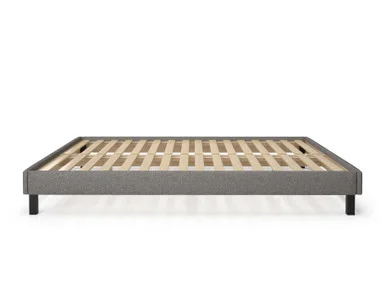
- Solid platform variants provide maximum support; slatted variants need slats no more than 3 inches apart
- Price range: $150–$800 for quality options
Box Springs
A box spring is a wooden frame with springs or a wire grid inside, covered in fabric. It was designed to work with traditional innerspring mattresses — adding bounce and shock absorption. Modern box springs are often 'low-profile' or 'semi-flex' without functional springs, serving primarily as a height raiser.
Box Spring: Key Facts
Required by some traditional innerspring mattresses (especially Tempur-Pedic, Sealy, and Stearns & Foster models from 5+ years ago). NOT recommended with memory foam or latex — the box spring can cause foam to compress unevenly. Many modern brands explicitly state that their warranty is void if used with a traditional box spring. Check your mattress warranty before purchasing.
Slatted Bases
Slatted bases are among the most versatile options — they consist of wooden or metal slats across a frame, providing ventilation underneath the mattress. The critical factor is slat spacing: most foam and hybrid mattress warranties require slats no more than 2.75–3 inches apart. Slats that are too wide allow foam to sag between them over time.
- Slat spacing of 3 inches or less is required by most foam mattress brands
- Curved slats provide slightly more give and mimic traditional box spring feel
- Solid slats with plywood deck conversion kits are an option for maximum foam support
- Better airflow than solid platform beds — beneficial for foam mattresses that retain heat
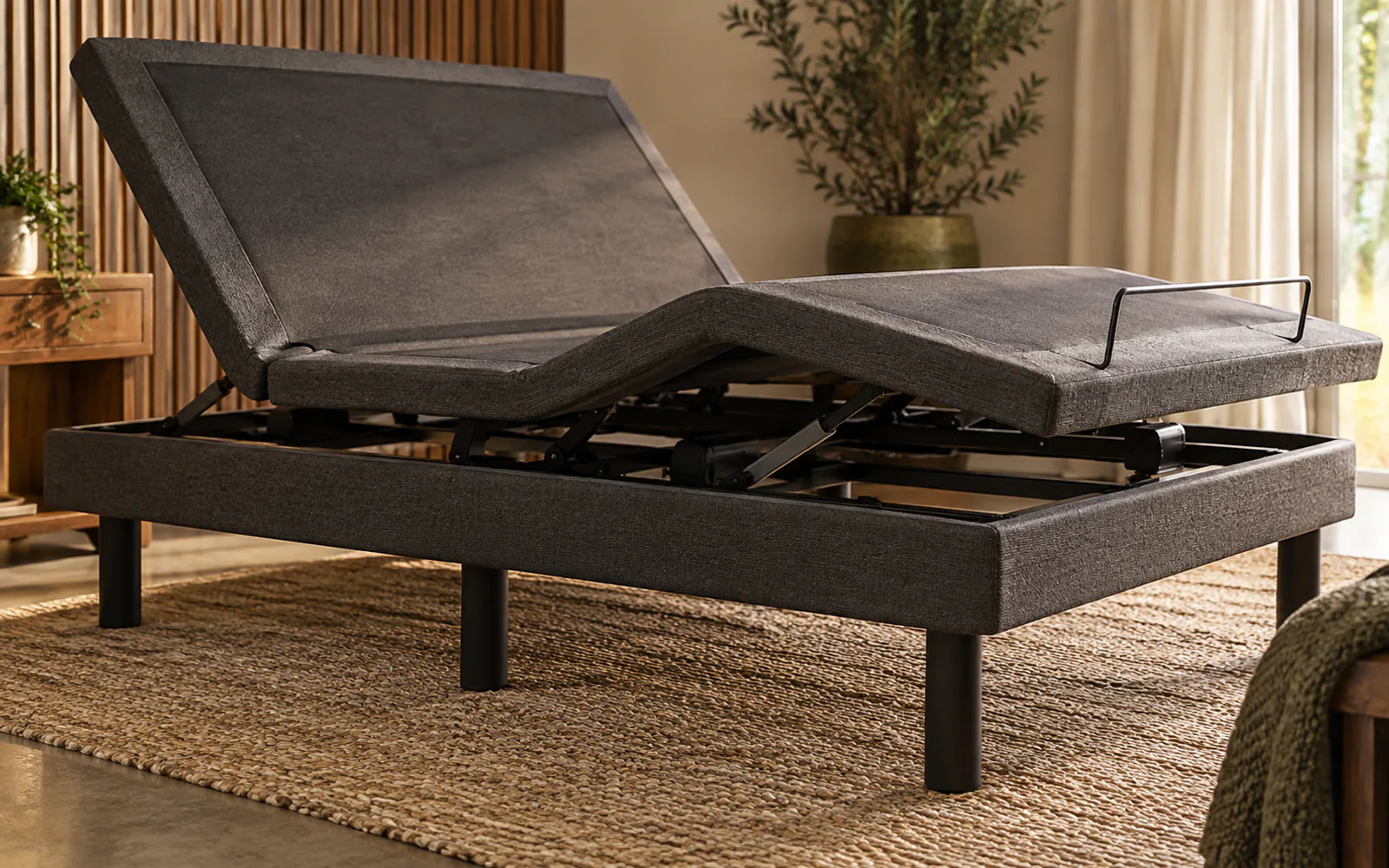
Adjustable Power Bases
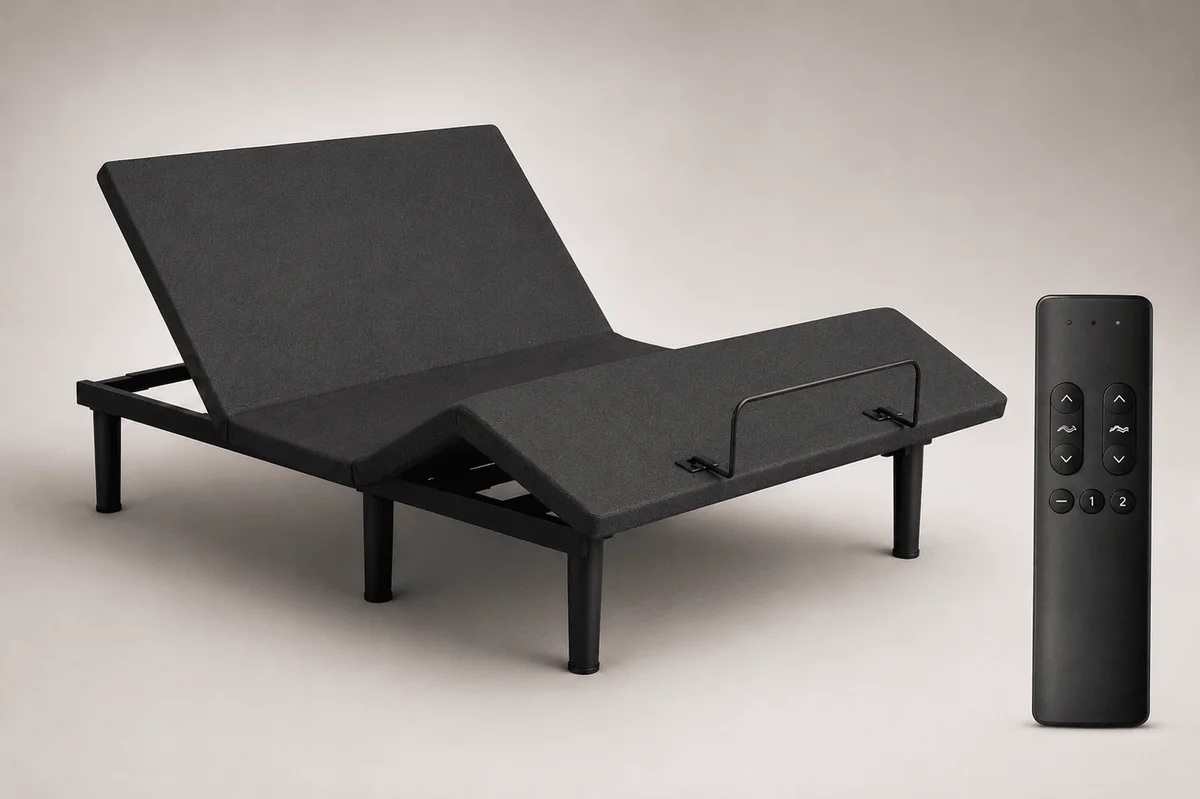
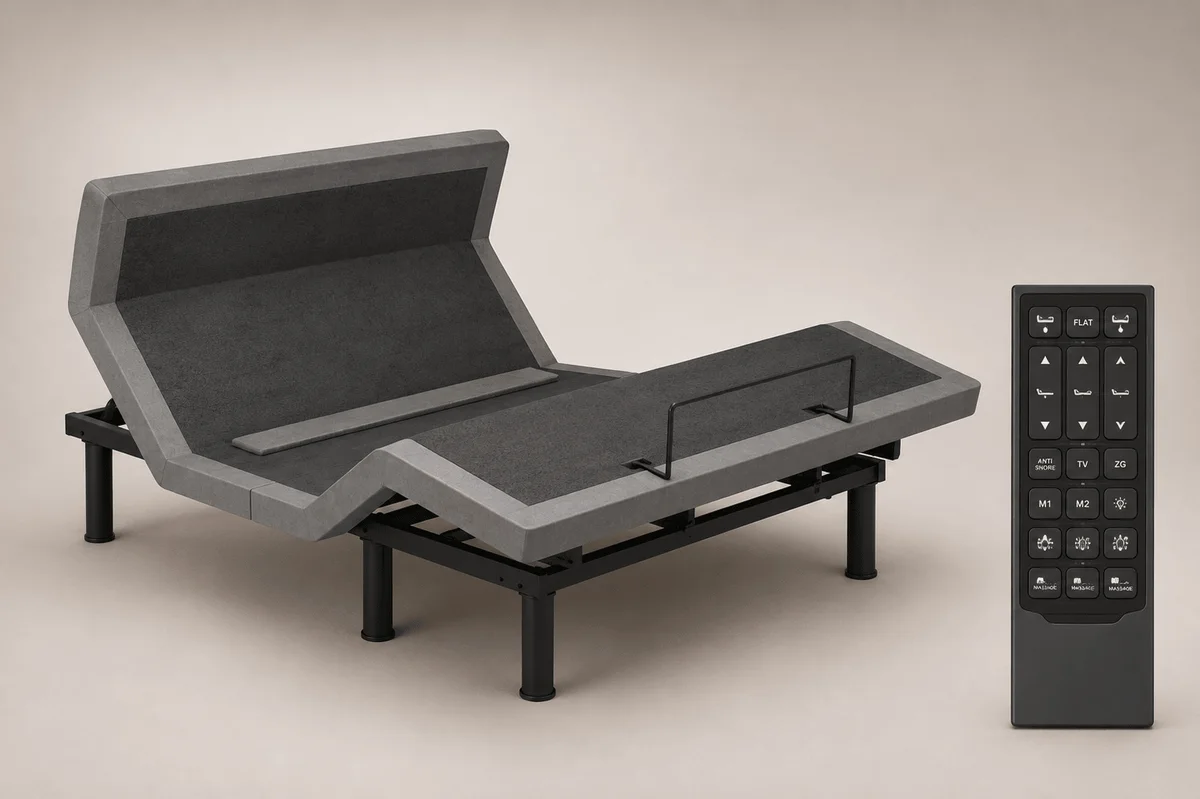
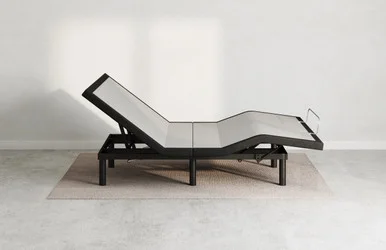
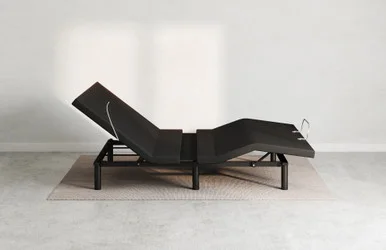
Adjustable bases (also called power bases or adjustable foundations) allow the head and/or foot of the bed to be raised and lowered. They've become mainstream, with most major mattress brands now offering their own branded version. Not all mattresses are compatible — memory foam and latex work well; traditional innersprings typically do not.
Adjustable Base Benefits
- Head-position adjustment may add comfort, but does not replace diagnosis or prescribed care for breathing problems or reflux
- Foot elevation improves circulation and reduces swelling
- Zero-gravity position (head and foot slightly elevated) reduces spinal pressure
- Most models include USB charging ports, under-bed lighting, and wireless remote
- Compatible with most memory foam, latex, and hybrid mattresses
Weight Capacity: The Overlooked Spec
Weight capacity is one of the most important — and most overlooked — specs when choosing a bed frame. For heavier sleepers (200+ lbs per person), a standard frame rated at 500–600 lbs total may flex, creak, and fail prematurely. Look for frames explicitly rated for your combined body weight plus the mattress.
- Standard budget frames: 250–500 lb capacity
- Mid-range frames: 500–750 lb capacity
- Heavy-duty frames (recommended for 230+ lb sleepers): 750–1,000+ lb capacity
- For couples with combined weight over 400 lbs, look for center leg support
- Metal frames with center support beam and legs generally outperform all-wood frames for heavy sleepers
Noise: How to Identify and Fix a Squeaky Frame
A squeaky bed frame is one of the most common sleep complaints. The noise almost always comes from one of three sources: metal-on-metal contact at bolted joints, wood rubbing against wood, or the mattress itself shifting against the frame.
Noise Troubleshooting
To isolate the source: remove the mattress and press down on the frame joints individually. Metal-on-metal squeaks are fixed with furniture felt tape or plastic washer inserts at contact points. Wood squeaks respond to wax applied to rubbing surfaces. If the mattress itself is the source of noise (usually innerspring), there's no frame fix — the mattress has worn-out springs.
Mattress Warranty Compatibility
This is where most buyers get burned. Most mattress warranties contain specific base requirements — and using a non-compliant foundation can void your warranty even if the mattress has a manufacturing defect. The rules vary by brand.
- Memory foam mattresses: require a solid surface or slatted base with slats ≤ 3 inches apart. Box springs typically void the warranty.
- Latex mattresses: same as memory foam — solid or close-slatted base required. Latex is especially vulnerable to uneven support creating permanent indentations.
- Innerspring mattresses: many older models require a matching box spring from the same brand. Read the warranty carefully.
- Hybrid mattresses: typically accept solid platforms, slatted bases, adjustable bases, and sometimes box springs. Check the specific brand.
- Saatva: requires a Saatva foundation or slatted platform with slats ≤ 3 inches. Their Lineal adjustable base is the only compatible power base.
- Tempur-Pedic: requires TEMPUR-compatible flat, rigid surface. A TEMPUR foundation or approved solid slat platform.
Frame Aesthetics and Room Height
The total sleeping height (floor to top of mattress) affects both aesthetics and practical access. Most designers recommend a total height of 25–33 inches — this aligns with standard seated height and makes getting in and out comfortable for most adults.
- Low-profile platform: 12–18 inches total (mattress included) — modern/minimalist aesthetic
- Standard platform: 18–25 inches total — most versatile, works for most body types
- Platform + tall headboard: 25–36 inches total — traditional bedroom look
- Storage beds: 14–20 inches off-ground clearance — useful for small spaces
Recommendations by Use Case
Best Base for Memory Foam Mattresses
Solid platform or slatted base (slats ≤ 3 inches). Avoid box springs — they can cause uneven compression of the foam comfort layers. An adjustable base is compatible with most memory foam mattresses and adds significant functional value.
Best Base for Heavy Sleepers
A steel frame with center support legs, rated 750+ lbs. The center support beam prevents flex and creaking under heavier weight. Avoid wood slats-only frames without center legs.
Best Base for Couples with Different Needs
A split adjustable base — two twin XL power bases side by side (forming a king). Each partner can independently adjust head/foot elevation. Compatible with split king mattress setups.
Best Base for Small Spaces
A storage platform bed with hydraulic lift or drawer pulls. These maximize under-bed storage while providing solid mattress support. Look for slat spacing ≤ 3 inches and 500+ lb capacity.
Quick Compatibility Summary
- Memory foam → solid platform or close-slatted base
- Latex → solid platform or close-slatted base
- Hybrid → flexible (most bases work — check brand warranty)
- Innerspring → check brand-specific requirements (often a matching box spring)
- Adjustable base → compatible with most foam/hybrid (not with traditional innerspring)
Browse mattresses that are compatible with adjustable bases.
View adjustable base-compatible mattresses →See our accessories section for featured bed frames and foundations.
Browse bed frames & accessories →Not sure where to start?
Take our quick sleep quiz and we'll match you with mattresses that fit your sleep style and budget — no jargon, no upsell.
Find your perfect sleep →