
Affiliate Disclosure: SleepRanked earns commissions when you purchase through links on this page, at no extra cost to you. This does not influence our rankings or recommendations. Learn more
Best Mattress for Sciatica and Lower Back Pain: Side Sleepers Guide
Sleep Health

Best Mattress for Sciatica and Lower Back Pain: Side Sleepers Guide

SleepRanked Editorial·12 min read

If you have sciatica and sleep on your side, you've probably woken up with that familiar burning or shooting pain radiating from your hip down through your leg — and wondered if your mattress is making it worse. It likely is. The sciatic nerve runs beneath the piriformis muscle in your glutes. For side sleepers, the hip bears concentrated body weight against the sleep surface. The wrong mattress — too firm, too soft, or without zoned support — puts direct pressure on the piriformis and the underlying sciatic nerve pathway, or allows the lumbar spine to sag out of alignment, compressing nerve roots at L4-S1. The right mattress can't cure sciatica. But it can dramatically reduce the pressure on nerve tissues during the 6–8 hours you spend on it every night. This guide explains exactly what creates or relieves sciatic nerve pressure during sleep, which mattress properties matter most, and gives you three data-backed recommendations — tested against the specific needs of sciatica side sleepers — at Budget, Performance, and Premium price points.

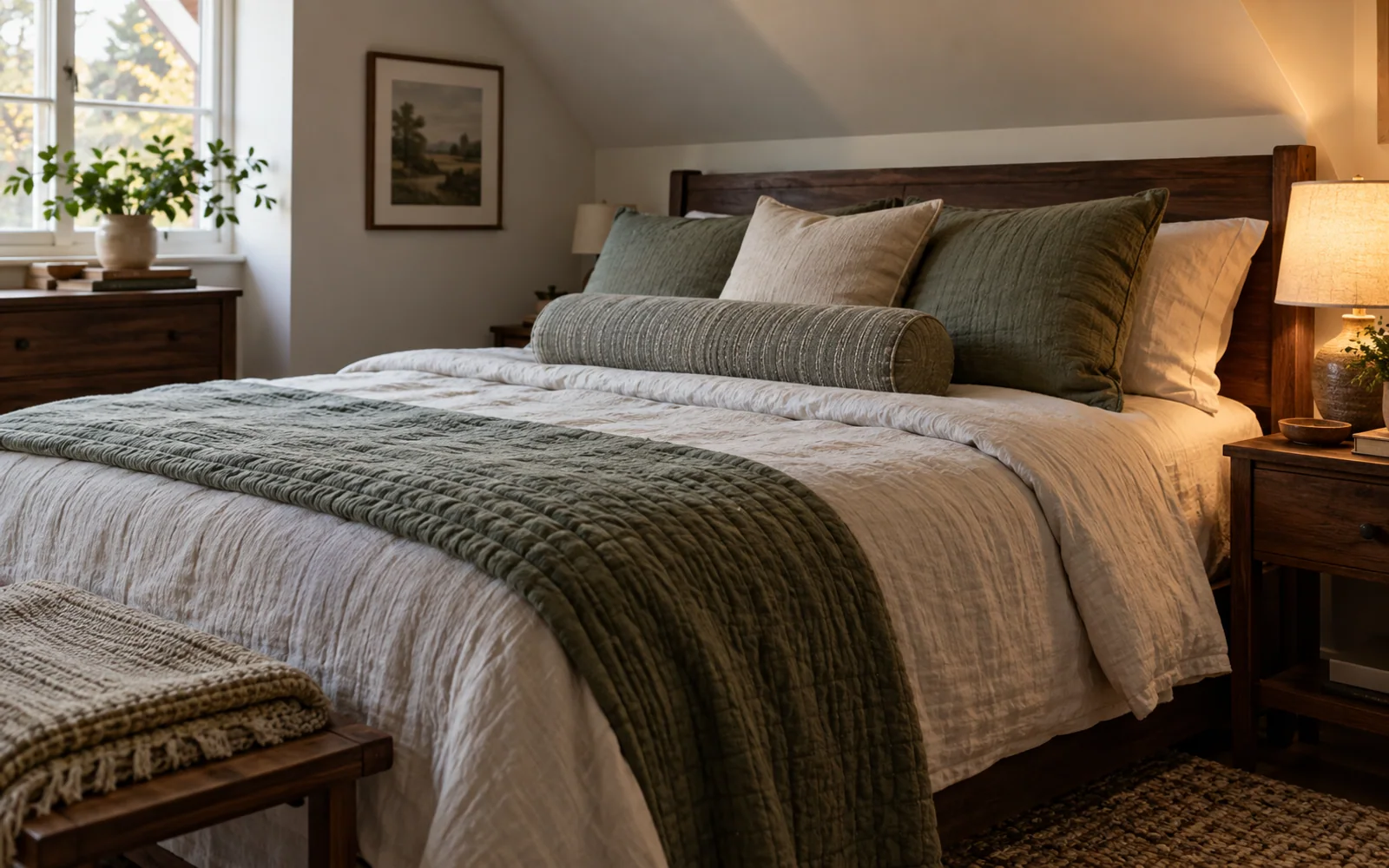
Proper spinal alignment during side sleeping reduces sciatic nerve pressure
Side sleeping with neutral spine alignment. Photo: Unsplash

Why Sciatica Gets Worse on the Wrong Mattress

Sciatica is caused by compression or irritation of the sciatic nerve, usually at its root (L4–S1 in the lumbar spine) or along its path through the piriformis muscle in the hip. For side sleepers, the mattress surface is the primary point of contact with both of these compression zones — the hip and the lower back — for 6–8 hours every night.

The too-firm problem: hip compression and piriformis pressure

A mattress that's too firm doesn't allow the hip to sink into the surface. Instead, the greater trochanter (the bony prominence at the top of your thigh) presses directly against a hard surface, creating a concentrated pressure point that compresses the piriformis muscle against the underlying sciatic nerve. Over hours of side sleeping, this sustained pressure can trigger or amplify sciatic nerve irritation, producing the burning, shooting, or radiating leg pain that's characteristic of piriformis syndrome and sciatica.

The too-soft problem: spinal sag and disc pressure

A mattress that's too soft lets the hip sink too far. When the heaviest part of your body — the hip — sinks several inches into the mattress while the lighter lumbar region stays higher, it creates a lateral bend in the lumbar spine. This torques the vertebrae, narrows the disc space on one side, and increases pressure on the nerve roots at L4-S1. The result is the same nerve compression as too-firm, but via a different mechanical pathway — spinal misalignment rather than direct piriformis pressure.

Ideal Firmness Range for Sciatica Side Sleepers

  • Optimal range: Medium to medium-firm (5–7/10 on the firmness scale)
  • Soft enough to cushion the hip and relieve piriformis pressure
  • Firm enough to keep the lumbar spine and pelvis in neutral alignment
  • If you weigh 230+ lbs: bias toward medium-firm (6.5–7/10) — foam compresses further under higher weight
  • If you weigh under 130 lbs: bias toward medium (5–5.5/10) — lighter bodies need softer surfaces to achieve the same compression depth

Why zoned support changes the equation

The hip and shoulder are at different heights on the side-sleeping body, and they need different support responses. A uniform-firmness mattress compromises: soft enough for the shoulder means too soft for the hip, or firm enough for the hip means too firm for the shoulder. Zoned support systems — where the mattress is softer under the shoulder and progressively firmer through the lumbar and hip zone — solve this directly. They allow the shoulder to cushion into the mattress while the hip gets additional support to maintain pelvic alignment. For sciatica side sleepers, this is the single most important structural feature.

Foam density: support without pressure

Not all foam cushions the same way. Low-density polyfoam (1.5 PCF or below) compresses easily but bottoms out, creating a hammock effect that worsens spinal sag. High-density memory foam (4–5 PCF) or latex (ILD 24–32) distributes pressure gradually across a wider surface area, reducing the peak pressure per square inch against the hip and piriformis. For sciatica sufferers, the comfort layer density matters as much as the firmness number — a mattress labeled 'medium' with low-density foam behaves very differently from a 'medium' with high-density foam.

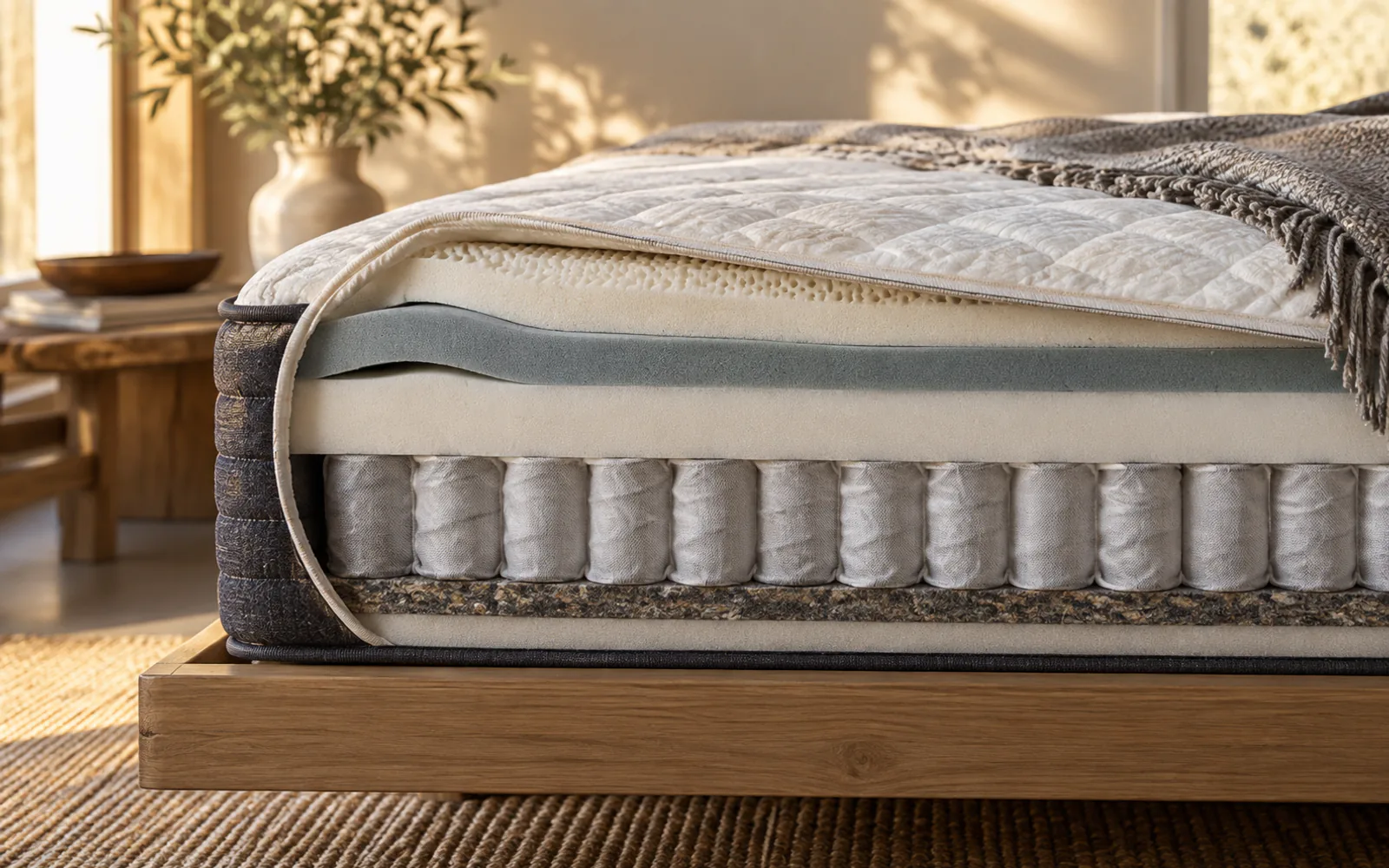
A supportive sleep environment is key to sciatic nerve recovery
A properly supported sleep setup. Photo: Unsplash

Our Picks: Best Mattresses for Sciatica Side Sleepers

The three mattresses below were selected against a specific sciatica side sleeper criteria checklist: medium to medium-firm firmness (5–7/10), adequate hip cushioning without excessive sinkage, meaningful lumbar support (through either zoned construction or high-density foam), and sufficient cooling for extended side sleeping. Each is a real product available at its stated price point.

Budget Pick: Nectar Original (~$799 Queen)

  • Medium firmness (5/10) sits at the softer end of the ideal sciatica range — good for side sleepers under 180 lbs who need more hip cushioning than lumbar firmness
  • 3-inch gel memory foam comfort layer distributes hip pressure across a wider surface area, reducing the peak load on the piriformis and the underlying sciatic nerve pathway
  • 5-inch high-density base foam (2.2 PCF) provides stable lumbar support without creating rebound pressure against the lower back — unlike low-density budget foams, it holds its shape through the night
  • TENCEL cover offers passive moisture management, important for side sleepers who compress one side of the mattress and can experience localized heat buildup over the hip
  • 365-night trial and lifetime warranty — essential for sciatica sufferers who need more than 30 days to evaluate whether a mattress is genuinely reducing nerve irritation vs. just feeling different
Check Price & Today's Deal →

Performance Pick: Helix Midnight Luxe (~$1,699 Queen)

  • Zoned lumbar support system is the defining feature: the coil layer is softer under the shoulder zone and progressively firmer through the lumbar and hip zone, maintaining pelvic alignment while allowing the shoulder to cushion — the exact mechanical profile sciatica side sleepers need
  • Pocketed coil base provides point-elastic support — each coil responds independently to the weight above it, so hip pressure doesn't create a wave effect that disturbs lumbar alignment the way an all-foam mattress can
  • 2-inch memory foam comfort layer and 1-inch transition foam cushion the greater trochanter without excessive sinkage — keeps the hip at the right depth relative to the lumbar spine
  • Medium firmness (6/10) sits in the middle of the ideal sciatica range, suitable for most side sleepers from 130 to 230 lbs without adjustment
  • Cooling cover with phase-change material helps manage the heat buildup that can increase muscle tension in the piriformis region and worsen sciatic nerve sensitivity
Check Price & Today's Deal →

Premium Pick: Tempur-Pedic PROADAPT Medium (~$2,499 Queen)

  • TEMPUR-APR (Advanced Pressure Relief) material is the most extensively tested pressure-distributing foam on the market — it adapts to both body weight and temperature to minimize peak pressure against the hip and piriformis at the molecular level, not just through surface softness
  • TEMPUR-CM+ comfort layer conforms more slowly and precisely than standard memory foam, holding the hip in its optimal position through the night rather than shifting as you move — important for sciatica sufferers whose pain is highly sensitive to alignment drift during sleep
  • SmartClimate Dual Cover System uses moisture-wicking, stretch-knit fabric that passively cools the sleep surface, reducing the inflammatory heat response that can amplify sciatic nerve sensitivity
  • Reinforced edge support maintains consistent support characteristics across the full mattress surface, so there's no soft zone near the edges that creates alignment problems when sleeping closer to the side of the bed
  • 10-year non-prorated warranty provides long-term protection appropriate for a purchase made on medical grounds — no proration schedule, full replacement coverage for the first decade
Check Price & Today's Deal →

Comparison at a Glance

Nectar Original — Budget

  • Price (Queen): ~$799
  • Type: All-foam
  • Firmness: Medium (5/10)
  • Cooling: Good (gel foam + TENCEL cover)
  • Pressure Relief: Very Good
  • Zoned Support: No
  • Best for: Sciatica side sleepers under 180 lbs seeking maximum pressure relief on a budget

Helix Midnight Luxe — Performance

  • Price (Queen): ~$1,699
  • Type: Hybrid (foam + pocketed coils)
  • Firmness: Medium (6/10)
  • Cooling: Very Good (coil airflow + phase-change cover)
  • Pressure Relief: Excellent
  • Zoned Support: Yes — softer at shoulders, firmer at lumbar/hip
  • Best for: Most sciatica side sleepers 130–230 lbs who want zoned support and hybrid responsiveness

Tempur-Pedic PROADAPT Medium — Premium

  • Price (Queen): ~$2,499
  • Type: All-foam (TEMPUR-APR material)
  • Firmness: Medium (6/10)
  • Cooling: Very Good (SmartClimate dual cover)
  • Pressure Relief: Best-in-class
  • Zoned Support: No (relies on material adaptability)
  • Best for: Sciatica sufferers with high pressure sensitivity who want clinically-validated pressure relief and a long-term medical investment

💡 Prices change frequently. Click any mattress above to see today's deal.

Ready to buy? Click any mattress above to see today's price.

Compare Head-to-Head

Nectar vs Helix Midnight LuxeHelix Midnight Luxe vs Tempur-Pedic PROADAPTNectar vs Tempur-Pedic PROADAPT

Still deciding? Take our quick mattress quiz to get personalized recommendations based on your specific needs.

Find Your Perfect Match →

How to Test a Mattress for Sciatica Relief

A 5-minute showroom test won't tell you whether a mattress helps your sciatica. Sciatic nerve irritation responds to cumulative pressure over hours — you need to actually sleep on the mattress through multiple full nights to know whether it's reducing or increasing your symptoms. This is why every mattress on this list offers a 100-night or longer trial period.

  • Spend at least 30 nights before making a return decision — your body needs time to adjust to a new sleep surface, and some initial discomfort is normal during adaptation
  • Track your morning pain level (1–10) each day during the trial — you want to see a downward trend over weeks 2–4
  • Add a pillow between your knees on day one — this alone can reduce morning sciatica symptoms by keeping the hips and pelvis in neutral alignment
  • If pain worsens consistently after day 21 (not just feels different), the firmness is probably wrong — return it and try the next option on this list

Not sure which firmness is right for your body weight and sleep position? Take our 90-second quiz.

Find your match →

What to Look For If None of These Fit Your Budget

If your budget falls outside the options above, these are the non-negotiable specifications to check on any mattress you consider for sciatica:

  • Firmness: Medium (5/10) to medium-firm (7/10) — don't compromise on this range regardless of price
  • Comfort layer density: Memory foam should be 3.5–5 PCF; generic polyfoam should be 2.0+ PCF — ask the brand directly if not listed
  • Comfort layer thickness: Minimum 2 inches for adequate hip cushioning; 3 inches preferred for side sleepers over 180 lbs
  • Trial period: 90 nights minimum — sciatica evaluation requires time; don't buy from a brand offering less
  • Zoned support: Nice to have at any price, but especially important if your sciatica is primarily piriformis-driven (pain starts in the hip, not the lower back)

Browse our full mattress database — filter by firmness, type, and price to find sciatica-appropriate options.

Browse all mattresses →

Trial Periods, Warranties, and Our Transparency Commitment

All three picks above offer at minimum a 100-night trial with free returns. Nectar offers 365 nights. We recommend every sciatica sufferer use the full trial period — there's no reason to commit permanently to a mattress without confirming it actually reduces your symptoms.

Our Research Commitment

  • We do not accept payment for guide placements — picks are based on specifications and fit to the stated use case
  • We earn affiliate commissions on purchases, which supports our ability to maintain this database — this does not influence which products appear or their ranking
  • Mattress prices fluctuate — the prices cited above reflect approximate queen prices at time of publication; check the retailer for current pricing
  • We update guides when products, pricing, or availability change significantly

Not sure where to start?

Take our quick sleep quiz and we'll match you with mattresses that fit your sleep style and budget — no jargon, no upsell.

Find your perfect mattress →

Frequently Asked Questions

What firmness mattress is best for sciatica?

Medium to medium-firm (5–7/10) is the ideal range for most sciatica sufferers who sleep on their side. This range is firm enough to keep the lumbar spine and pelvis aligned, preventing disc pressure on the sciatic nerve roots at L4-S1, while soft enough to cushion the hip and relieve piriformis pressure. Both extremes worsen sciatica: too firm concentrates pressure on the hip/piriformis, too soft lets the hips sag and rotates the pelvis out of alignment.

Is memory foam or a hybrid better for sciatica?

For most sciatica side sleepers, a quality hybrid is the better choice. Memory foam's pressure-contouring is excellent for hip cushioning, but it can retain heat and has poor responsiveness — both of which can cause problems when you need to shift positions to relieve nerve pressure. Hybrid mattresses combine foam's pressure relief with pocketed coil responsiveness and airflow, making it easier to reposition without disturbing your alignment. An all-foam mattress with gel infusion is a reasonable budget alternative if a hybrid is out of range.

Can sleeping position make sciatica worse?

Yes. Side sleeping is generally the least aggravating position for sciatica — but only with the right mattress and pillow positioning. Sleeping with the knees slightly bent and a pillow between the knees keeps the hips and pelvis in neutral alignment, reducing piriformis tension and lumbar rotation. Stomach sleeping is the worst position for sciatica because it hyperextends the lumbar spine and compresses the disc space near the nerve roots. Back sleeping is acceptable if the mattress provides adequate lumbar support without creating a flat, hard surface at the low back.

Does an adjustable base help with sciatica?

Yes — significantly for many sciatica sufferers. The zero-gravity position (head elevated 10–20 degrees, knees slightly raised) reduces lumbar disc pressure by approximately 30% compared to lying flat. This takes direct pressure off the nerve roots and the sciatic pathway. Even a modest head elevation (10–15 degrees) can reduce morning sciatic flare-ups. If sciatica disrupts your sleep, an adjustable base is worth serious consideration alongside a compatible foam or hybrid mattress.

How long before a new mattress helps sciatica symptoms?

Most people notice improvement within 2–4 weeks, with the most significant change occurring between weeks 3 and 6. Your body needs time to adjust to a new sleep surface — sciatic nerve irritation from years of poor sleep positioning won't resolve overnight. If pain measurably worsens after 30 days on the new mattress (not just feels different), the mattress may not be the right fit. This is why a 100+ night trial period is critical for sciatica sufferers: you need more time than the average sleeper to evaluate whether a mattress is genuinely helping.

Does mattress thickness matter for sciatica?

Thickness matters indirectly — a mattress needs enough total height to prevent bottoming out. For a 130–180 lb side sleeper, 10–12 inches is sufficient. For heavier sleepers (180–250 lbs), 12–14 inches provides more total support material without compressing through to a hard base. What matters more than thickness is the composition: a 12-inch mattress with 3 inches of high-density foam over a robust coil system performs better for sciatica than a 14-inch mattress where those extra inches are low-density filler foam.

Ready to shop?

Browse our full mattress database — filtered by type, firmness, price, and sleep position — or take the quiz for a personalized recommendation.

📬

Sleep smarter.

New guides, mattress deals, and sleep research — once or twice a month. No spam.

Unsubscribe anytime. We respect your inbox.